
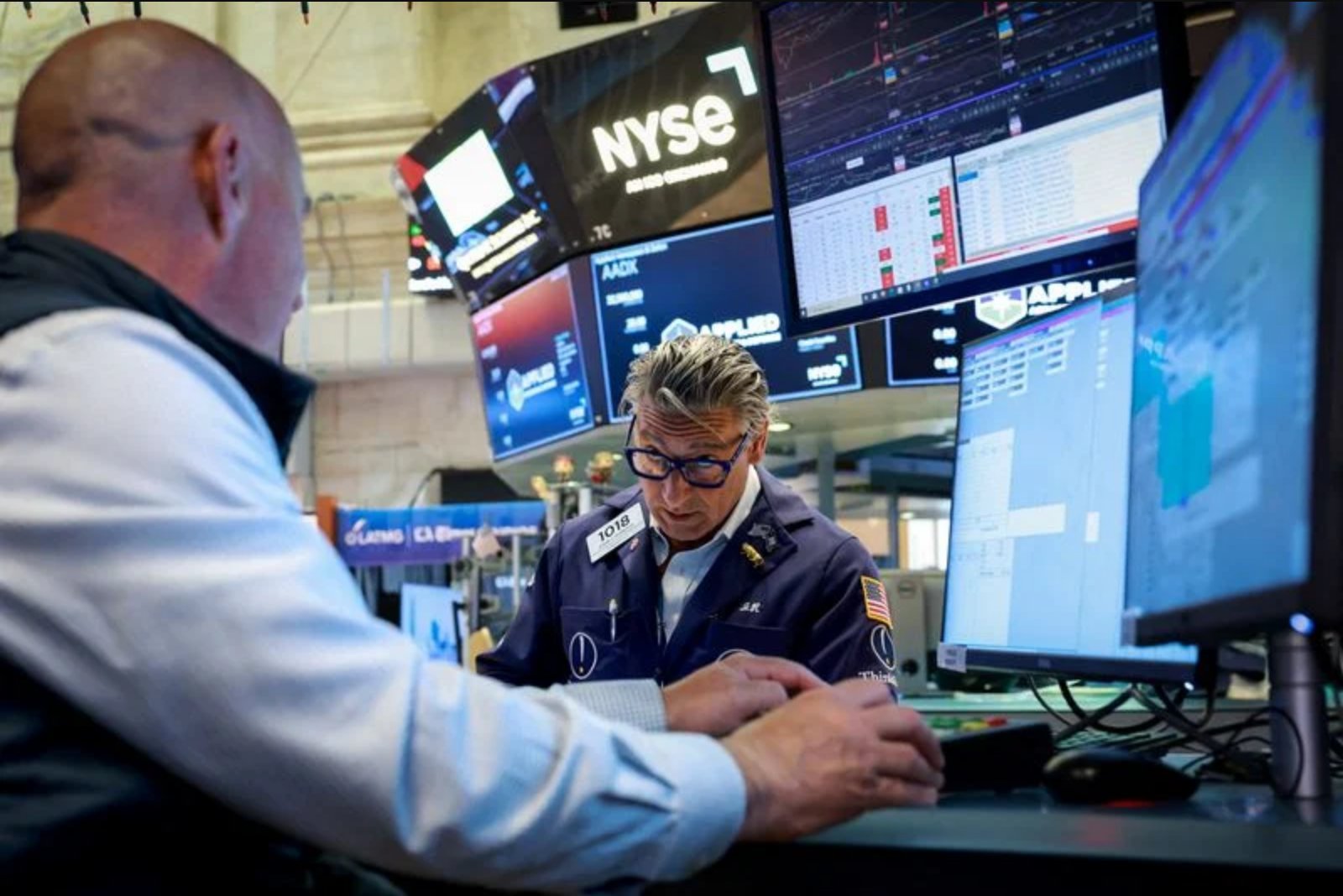
Wall Street equities concluded trading on Tuesday in a fragmented manner. The S&P 500 and Nasdaq Composite experienced downward pressure, primarily driven by weakness in technology shares. In contrast, the Dow Jones Industrial Average managed to secure a fresh record closing high. In commodity markets, crude oil prices resumed a downward trajectory that began following reports of a potential peace agreement with Iran.
Significant developments also occurred in the aerospace and defense sector. SpaceX, the private rocket manufacturer, saw its market capitalization surpass that of Amazon. This milestone highlights the rapid capitalization growth of private spaceflight entities, though individual retail investors in the company may face stricter conditions when attempting to liquidate shares compared to larger institutional funds.
Equity Markets: Divergence and Sector Rotation
The US equity market exhibited a clear divergence between major indices. The Dow Jones Industrial Average advanced, extending its streak of record highs. Conversely, the Nasdaq Composite declined, reflecting the drag imposed by technology equities. European markets, represented by Europe’s STOXX 600, continued to extend their recent rally.
Within the US market, sector performance was mixed. Semiconductor stocks experienced a slide, indicating pressure on the chip sector. Meanwhile, banking equities moved higher, and shares of gold and silver mining companies advanced. Yum Brands saw its shares rise 1.94% following the announcement that it will sell its struggling Pizza Hut chain for $2.7 billion.
Commodities and Currencies
Energy markets continued to feel the impact of geopolitical easing. West Texas Intermediate (WTI) and Brent crude settled down by 5.8% and 5.1%, respectively. Gasoline prices have eased by more than 20% since their peak during the Iran conflict in April. With the announcement of a deal to end hostilities, gasoline prices are poised to fall further. Wholesale gasoline futures have formed a "head and shoulders" pattern, a widely recognized technical signal that the market is reversing course.
In precious metals, gold climbed 0.03%. The dollar dipped in foreign exchange markets, trading against the yen. The yen remained flat against the dollar following the Bank of Japan's expected rate hike. USD/JPY traded near 160.40, down 0.02%.
Federal Reserve and Monetary Policy
The US Federal Reserve convened for its first monetary policy meeting under the leadership of Chairman Kevin Warsh. A majority of Federal Reserve policymakers are anticipated to favor holding key interest rates steady for the remainder of the year. The summary of economic projections, due on Wednesday, is expected to reflect this stance, with only a small number of policymakers expected to support a rate hike to prevent spiking inflation from becoming entrenched in the economy.
The anticipated hawkish shift in the so-called dot plot could pose a challenge for Warsh. Solid labor market data and hot inflation readings have effectively removed near-term policy easing from the table. US Treasury yields dipped as the Fed convened.
Geopolitical and Economic Developments
The G7 summit progressed on its second day, with the war in Ukraine topping the agenda. US President Donald Trump stated that leaders had a "very good" meeting with Ukrainian President Volodymyr Zelenskiy. Zelenskiy noted that Trump was very positive that the United States can help Ukraine more with air defense missiles. The assembled leaders also vowed to step up efforts to address "escalating global debt vulnerabilities" and called for a strong response to the Ebola outbreak in Congo.
US President Trump indicated that a peace deal with Iran will be made public soon and that he will rule out nuclear weapons for Iran. However, Gabriel Makhlouf, a European Central Bank Governing Council member, stated that the deal to end the Middle East conflict will not necessarily bring a near-term end to the global energy shock.
U.S. economic data released earlier showed that single-family housing starts fell in May to an eight-month low. Import prices continued to surge. U.S. consumers are seeing some relief at the gasoline pump, with possible signs of more to come as wholesale gasoline futures signal a market reversal.
Market Risks and Uncertainties
Several factors could influence market movements in the near term. A hawkish shift in the Federal Reserve's dot plot could challenge Chairman Warsh, as strong labor data and persistent inflation limit the scope for near-term rate cuts. The global energy shock may persist despite the Middle East peace deal, according to ECB officials. Geopolitical developments in the Middle East, energy market moves, and social media posts from President Trump could also drive market volatility. Economic data releases, including U.S. retail sales, pending home sales, and business inventories, along with international consumer price indices, will be closely watched by investors.