
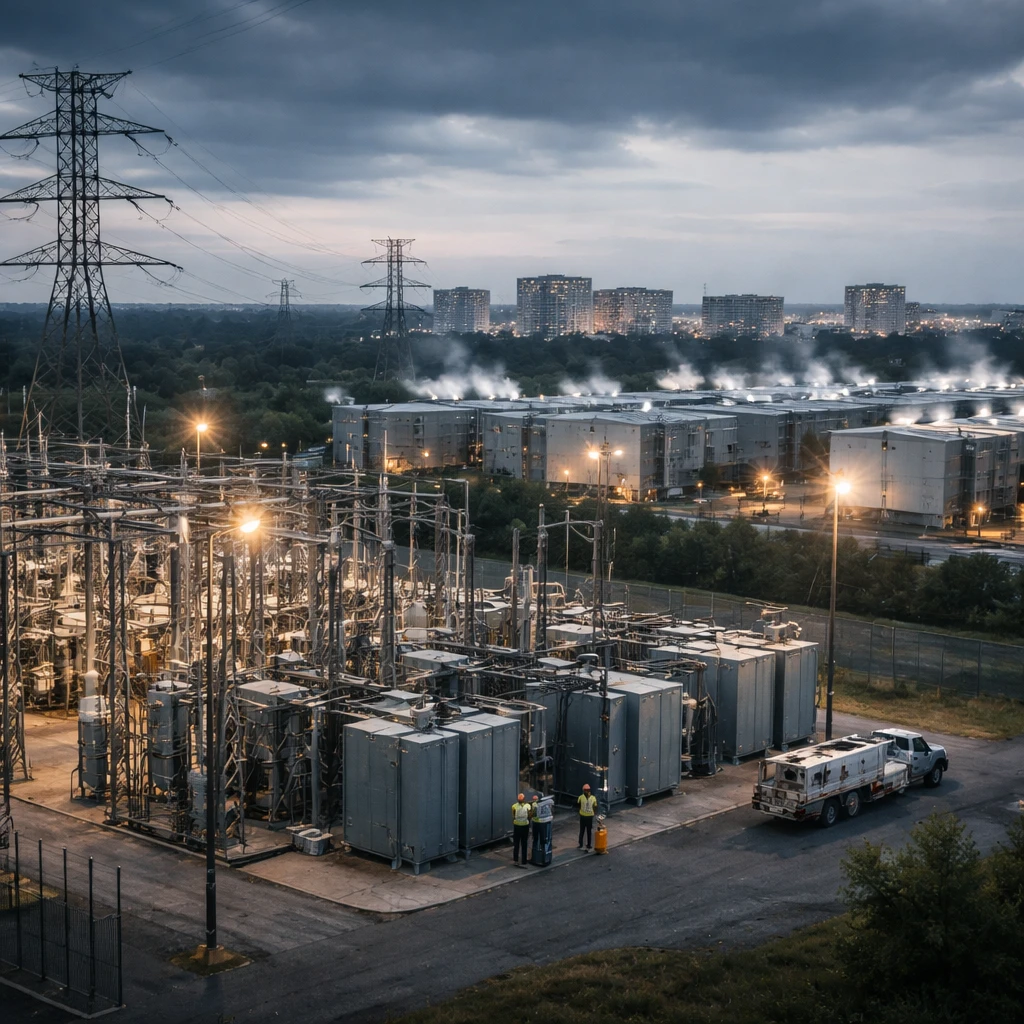
Dominion Energy posted second-quarter results that outpaced analyst projections, with robust demand from data center customers in its Northern Virginia service area helping to offset elevated operating costs.
Top-line and margins
The Richmond, Virginia-based utility reported quarterly revenue of $4.48 billion, up from $3.81 billion a year earlier and ahead of the $4.04 billion analyst consensus compiled by LSEG. On a per-share basis, Dominion delivered adjusted earnings of $0.79, above the $0.68 expected by the market.
Segment performance
- Adjusted operating earnings at the Virginia segment increased 22% year-over-year to $670 million for the quarter.
- The South Carolina segment’s adjusted operating earnings declined about 3.7% to $105 million in the quarter ended June 30.
Operating costs and drivers
Overall operating expenses jumped to $4.15 billion from $2.71 billion in the prior-year period. The company attributed the increase to higher spending across fuel, grid upgrades and maintenance as utilities respond to surging electricity needs.
Dominion said its Virginia footprint had contracted nearly 53.8 gigawatts of data center capacity as of July, an increase of 5.3 gigawatts since December. That expansion of server warehouse demand - concentrated in Northern Virginia - is a key factor behind the company’s revenue and adjusted-earnings gains for the quarter.
Merger update and regulatory path
In May, Dominion and NextEra Energy announced a proposed $66.8 billion combination that would create one of the world’s largest electric utilities. The companies have filed multiple state and federal regulatory applications related to the deal. Dominion said some important evidentiary hearings are scheduled to begin on November 17, underscoring the regulatory process ahead before the transaction can close.
Customer footprint
Dominion supplies electricity to roughly 3.6 million customers across Virginia, North Carolina and South Carolina, and provides natural gas service to about 500,000 customers in South Carolina.
The quarter highlights a balance between accelerating demand tied to data center growth and rising operational investment to support that load, while the proposed merger with NextEra introduces regulatory timing uncertainty.