
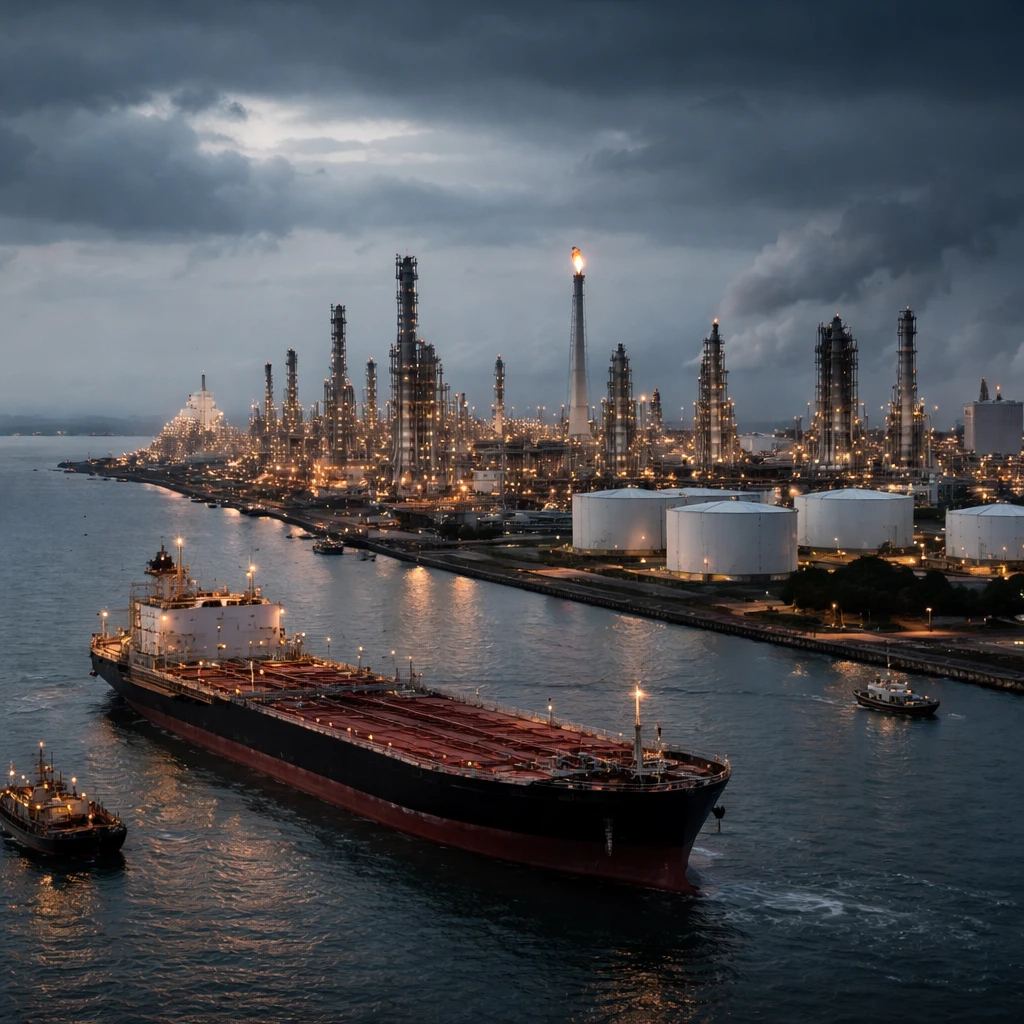
Top U.S. oil producers ExxonMobil and Chevron said on Friday that global supplies of diesel and other refined products are expected to stay tight in the second half of the year as disruptions stemming from the Iran war continue to affect energy flows.
Both companies reported large increases in second-quarter refining profits after a combination of falling fuel inventories, reduced exports from China and refinery outages in Russia boosted refining margins. Those improved margins translated into higher earnings at downstream operations.
Pressure on product pricing
Chevron Chief Executive Mike Wirth warned on the companyâs earnings call that the market will likely see sustained upward pressure on product prices. "Weâre going to see some upward pressure on product pricing ... into the third quarter and perhaps beyond that," he said, adding that demand for distillates such as diesel and heating oil is unlikely to decline over the long term.
Those widening margins and resulting profits are occurring as U.S. pump prices climbed back above $4 a gallon last week. That renewed increase in retail gasoline costs poses a political challenge for President Donald Trump and the Republican Party as they campaign to retain congressional majorities ahead of the November midterm elections.
Production and refining activity
Exxon said it operated its U.S. refineries at high capacity and recorded a second quarter of diesel production that it described as a record. Chevron reported record throughput at its U.S. refining system, exceeding 1 million barrels per day.
Despite elevated running rates, Exxon Chief Executive Darren Woods said it is essential that shipping through the Strait of Hormuz returns to normal to deliver more crude into global markets. On CNBC he warned: "The utilization that weâve seen canât be sustained for the long term. So I think this refining challenge is going to be with the world for a while." Woods noted that Exxon has the largest refining footprint outside of China, and that the disruption to crude supplies has added strains to the companyâs downstream business.
Maintenance and near-term earnings impact
Refiners will still need to carry out required maintenance. Chevron said expected downtime in the third quarter would reduce downstream earnings by $175 million to $225 million. Exxon said scheduled maintenance would be lower in the third quarter compared with the previous three months.
Exxonâs adjusted downstream earnings increased to $4.1 billion in the quarter. Still, some investors had anticipated even stronger refining results from Exxon, given its substantial refinery footprint, according to RBC Capital Markets analyst Biraj Borkhataria in a research note cited by the companies. Exxon narrowly missed consensus estimates for second-quarter earnings, while Chevron exceeded expectations.
Following the results, Exxon shares were down about 1%, while Chevron shares rose roughly 2%.
Concluding note
The majors say they are running refineries hard and doing what they can to keep output elevated. Nevertheless, executives emphasized that constrained crude flows, the need for maintenance and continued geopolitical disruptions mean refined product markets are likely to face ongoing tightness and price pressure in the months ahead.