
Stock Markets July 31, 2026 05:48 PM

FTC Lets IonQ Acquire SkyWater After Commissioners Fail to Agree on Conditions

Regulatory deadlock leaves $1.8 billion deal unconditioned despite chairman's proposed remedies to preserve foundry access for rivals

By Hana Yamamoto
Share
Twitter Reddit Facebook LinkedIn
IONQ SKYT

The U.S. Federal Trade Commission has cleared IonQ's $1.8 billion acquisition of SkyWater Technology after agency leaders could not agree on imposing conditions. The commission's chairman proposed measures to ensure fair access for competing quantum companies, but a fellow commissioner concluded the transaction would not harm competition, leading to no enforceable order and allowing the merger to proceed.

FTC Lets IonQ Acquire SkyWater After Commissioners Fail to Agree on Conditions
IONQ SKYT
Summarize with
ChatGPT Perplexity Claude Grok Gemini

Key Points

  • FTC approval clears IonQ's $1.8 billion acquisition of SkyWater after commissioners failed to agree on conditions.
  • Chairman Andrew Ferguson had sought commitments from IonQ to ensure fair access for rival quantum firms that have contracts with SkyWater; Commissioner Mark Meador said he did not believe the merger would lessen competition.
  • The decision affects the quantum computing and semiconductor foundry sectors and intersects with U.S. efforts to expand domestic chip manufacturing capacity.

The Federal Trade Commission has approved IonQ Inc.'s $1.8 billion purchase of SkyWater Technology following a split among agency leaders over whether to attach conditions to the deal.

Chairman Andrew Ferguson said he had proposed an order that would require IonQ to commit to providing fair access to the foundry for competing quantum computing companies, noting that some of those rivals currently hold contracts with SkyWater. The proposed measures were intended to protect competition as the United States expands chip manufacturing capacity, according to Ferguson's statement.

Commissioner Mark Meador, by contrast, issued a statement saying he believes the transaction would not reduce competition. Because the commissioners were unable to reach agreement on an order that would impose conditions, Ferguson said that "the next-best option is to get out of the way and permit the merger to close." That statement signals the agency will not block the transaction nor require the specific conditions Ferguson had sought.

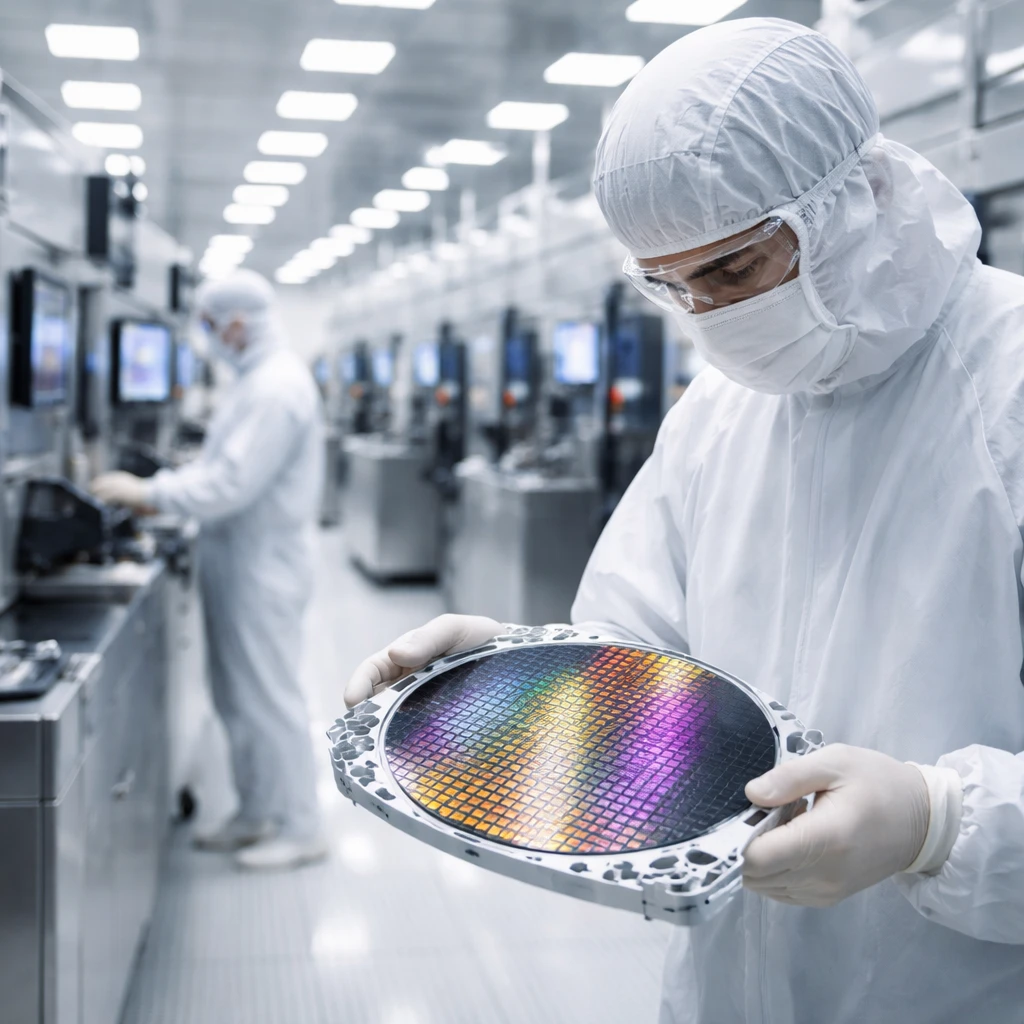
SkyWater describes itself as the largest semiconductor foundry based in the United States. The acquisition brings a U.S.-based foundry under the ownership of a quantum computing company, a configuration that prompted the commission's internal debate over access for third parties that may depend on the foundry's capacity.

From a market perspective, the decision resolves an outstanding regulatory hurdle for IonQ and SkyWater and clears the path for the $1.8 billion transaction to finalize. The split among commissioners underscores a divergence in enforcement views within the FTC on how best to balance industrial policy goals - such as expanding domestic chip manufacturing capacity - with competition safeguards tied to access and supplier neutrality.

For stakeholders tracking the deal, the practical outcome is straightforward: without an agreed order imposing conditions, the acquisition may proceed. The statements released by the two commissioners provide the public record of the differing rationales behind that outcome, with one favoring targeted protections for rival customers and the other concluding that the merger will not harm competitive dynamics.


Contextual note: Information in this article is limited to the statements issued by the FTC chairman and commissioner and the companies' characterization of SkyWater's status as the largest U.S.-based foundry. No additional remedies or conditions were agreed upon by the commission.

Risks

  • Regulatory deadlock left no enforceable conditions, creating uncertainty about future access to foundry capacity for rival quantum firms - impacting quantum hardware providers and their supply chains.
  • Divergent views within the FTC on whether the merger harms competition could signal inconsistent remedial expectations for similar deals in the semiconductor and technology sectors.
  • Consolidation of a U.S. foundry under a quantum computing company raises potential access concerns for current SkyWater contract holders; the resolution did not include the chairman's proposed safeguards.

More from Stock Markets

U.S. Orders Preparations for New Military Strikes on Iran as Diplomacy Falters Jul 31, 2026 Warner Music Group Finance Chief Steps Down; Internal Promotions Follow Jul 31, 2026 Exxon, Chevron Say Diesel and Refined Product Supplies Will Stay Tight as Iran Conflict Disrupts Markets Jul 31, 2026 Mexican stocks retreat as S&P/BMV IPC slips 0.53% at Friday close Jul 31, 2026 Ferguson Shares Jump After S&P 500 Inclusion Is Announced Jul 31, 2026