
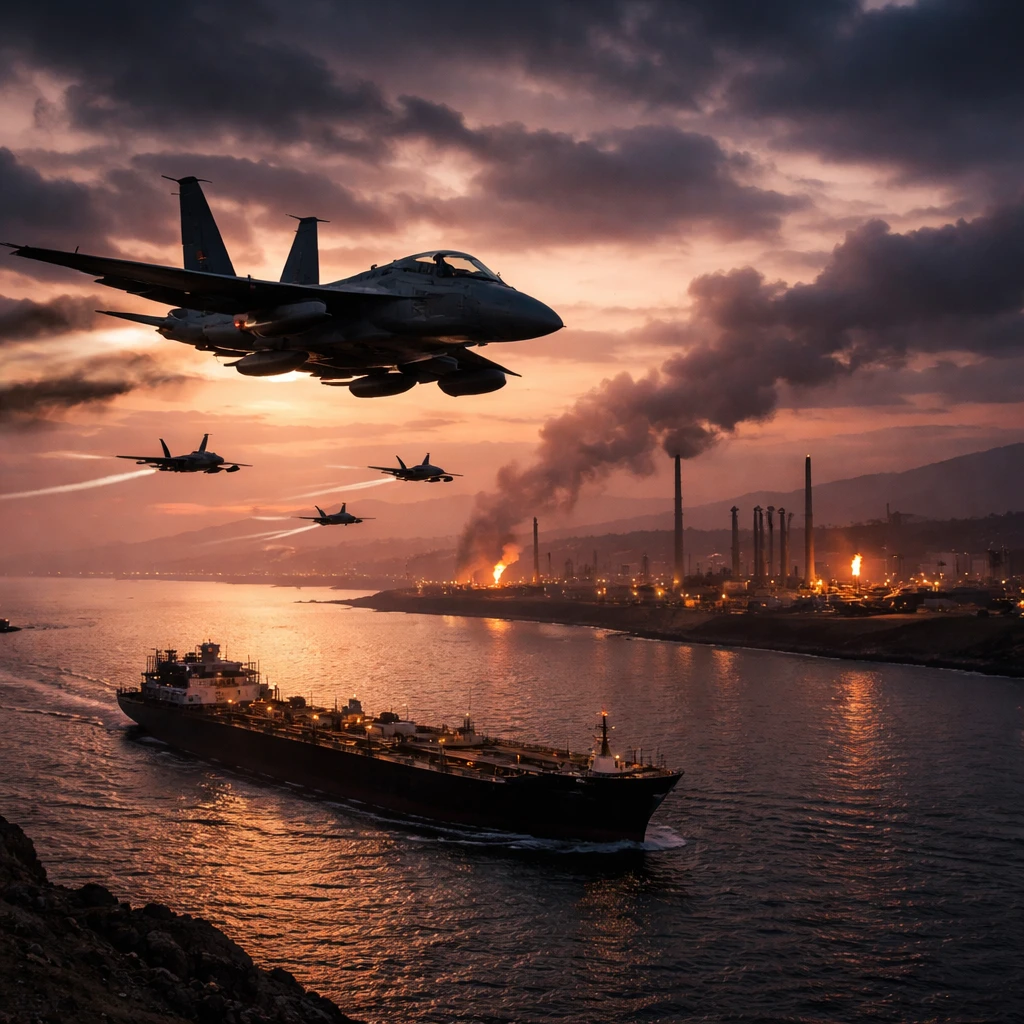
U.S. leadership has instructed the military to prepare a new set of strikes against Iran that could commence as early as this weekend, according to reporting that outlines a significant shift in operational posture. The planned campaign is intended to pressure Iran to abandon its nuclear ambitions and to relieve Tehran's control over the Strait of Hormuz, marking an escalation as the confrontation moves into its sixth month.
The move follows the rapid collapse of diplomatic efforts after a surprise attack on U.S. troops in Jordan earlier in the week. That attack prompted retaliatory U.S. strikes, and the subsequent breakdown of talks has produced growing frustration within the administration over Iran's negotiating stance. Earlier signals from the White House had suggested interim negotiations were progressing, making the operational pivot particularly notable.
Speaking during a cabinet meeting at Camp David, President Trump expressed exasperation with Iranian diplomats, accusing them of repeatedly breaking commitments and indicating that forceful military action may be necessary to change Tehran's behavior. Officials are reviewing a range of strategic options. One option highlighted is a concentrated campaign to degrade Iran's missile capabilities. Additional proposals under consideration include strikes on critical energy infrastructure, with potential targets noted as power plants and oil refineries.
Iranian authorities have responded with reciprocal distrust, saying that persistent threats of military action undermine diplomatic channels and further erode bilateral relations. Following the most recent U.S. strikes, Iran's Islamic Revolutionary Guard Corps pledged to renew its own offensive operations, signaling a mutual unwillingness to step back at this stage of the confrontation.
Market indicators have reacted to the heightened tensions. Brent oil futures were reported at 89.68, up 2.80, or 3.22%, reflecting a fresh risk premium as regional instability around key shipping lanes and domestic oil assets becomes a factor for global crude pricing.
For U.S. defense planners, sustaining a campaign of precision strikes presents concrete operational concerns. Defense advisers have noted that prolonged operations risk straining available munitions stockpiles. At the same time, regional energy markets remain on high alert because any escalation around vital shipping corridors such as the Strait of Hormuz, or damage to domestic energy infrastructure, could feed additional risk premiums into global markets.
Some U.S. officials assess that Tehran may seek to extend the standoff in hopes that domestic political pressure will eventually compel a reduction in U.S. military engagement. For investors and corporate decision-makers, the coming days will test whether an expanded strike campaign leads to widespread disruptions across global supply networks or whether the pressure ultimately forces a return to negotiations.
Key points
- U.S. forces have been ordered to prepare for fresh strikes on Iran that could begin as soon as this weekend - impact on defense operations and planning.
- Potential targets include Iran's missile systems and energy infrastructure such as power plants and oil refineries - sectors at risk include energy and utilities.
- Regional energy markets have reacted, with Brent futures rising to 89.68, up 3.22% - oil market sensitivity and shipping corridor risk are elevated.
Risks and uncertainties
- Operational sustainment - prolonged precision-strike operations could strain U.S. munitions stockpiles, creating logistical and readiness risks within defense supply chains.
- Energy market disruption - escalation near the Strait of Hormuz or strikes on domestic energy assets could increase risk premiums and disrupt global crude supply flows, affecting oil and energy sectors.
- Diplomatic breakdown - reciprocal distrust and vows of renewed offensive operations by Iran's Islamic Revolutionary Guard Corps sustain the potential for further escalation, keeping geopolitical risk elevated for regional commerce and investment.