
The Kremlin said on Tuesday it welcomed a U.S. proposal for a moratorium between Russia and Ukraine on attacks against each other’s energy infrastructure, while at the same time stressing that such a step would need to be accompanied by measures to protect seaborne exports and the removal of what it described as “illegal” restrictions on Russian energy supplies.
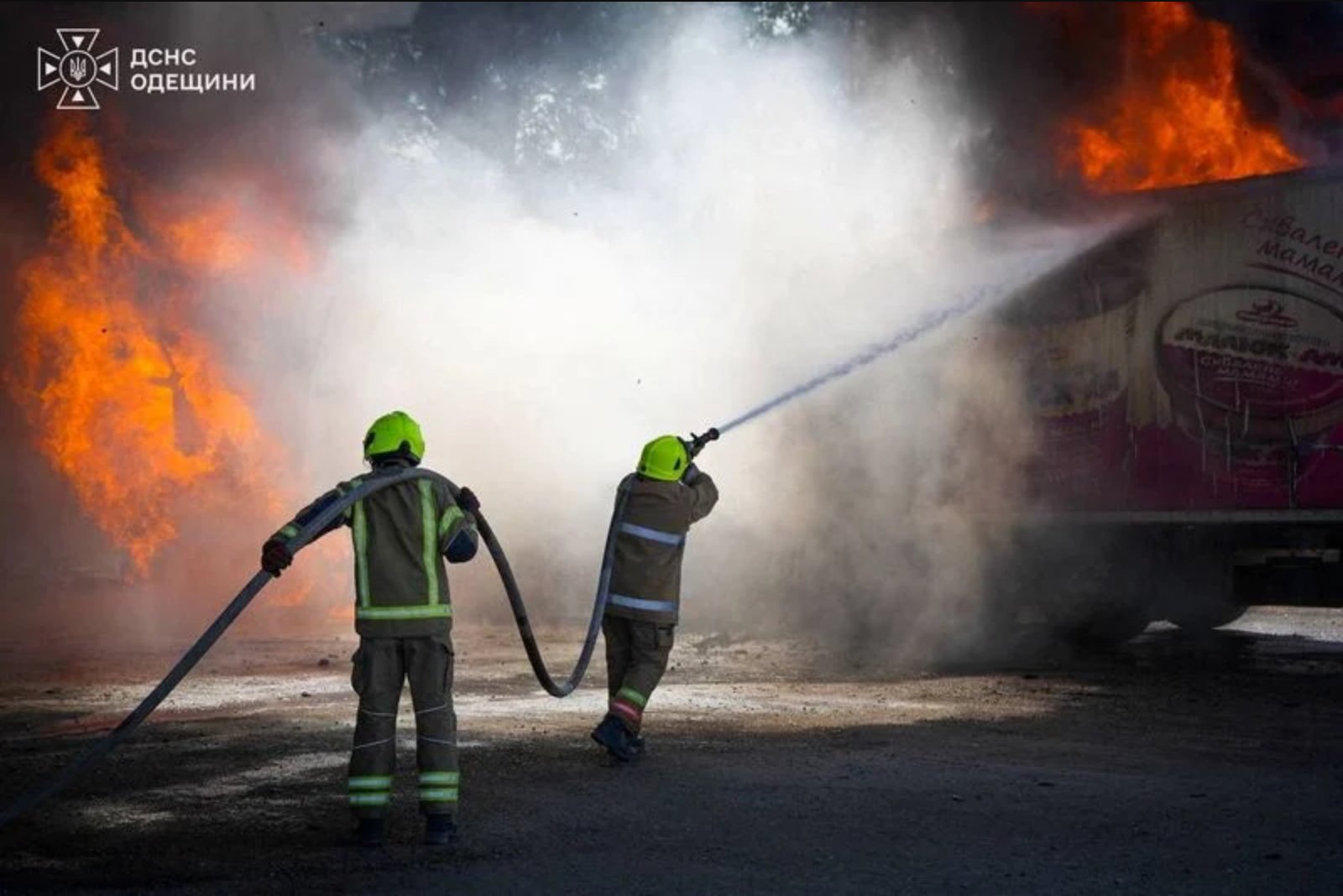
U.S. President Donald Trump said on Monday that Ukraine and Russia had agreed not to hit each other’s energy targets, although neither government has confirmed the existence of a formal pact. Despite the high-level suggestion, conflict-related strikes continued: Russia struck petrol stations in Kyiv on Tuesday, and Ukraine reported that it had hit a Russian oil refinery.
Kremlin spokesman Dmitry Peskov told reporters that he regarded Trump’s suggestion as a “very good idea”, but he cautioned that the proposal alone would not be sufficient to bring down global fuel prices. He emphasised two additional prerequisites.
"It is necessary to ensure safe commercial shipping and navigation here, including for oil tankers. The Kyiv regime has so far shown no inclination to guarantee such security," Peskov said.
He added that lifting sanctions on Russia was the second essential step, describing those measures as unlawful restrictions on energy supplies. Peskov said: "And the second thing that needs to be done is, of course, to lift sanctions (against Russia) and these unlawful restrictions on energy supplies. Only then will the world be adequately supplied with these petroleum products, global markets will stabilise, and prices will move lower."
Peskov said Russia would remain in contact with U.S. officials about President Trump’s proposal.
Ukrainian President Volodymyr Zelenskiy said on Monday that Kyiv would be prepared to support an energy ceasefire only if Washington could provide assurances that Moscow was genuinely ready to end its war on Ukraine. That conditional stance highlights a central friction point: Kyiv says it faces regular Russian attacks on its energy infrastructure and regards refineries as legitimate military targets, while Moscow seeks formal removal of sanctions and secure sea lanes.
Ukrainian strikes on energy facilities have contributed to a summer marked by fuel shortages inside Russia, prompting Russian export restrictions. According to the Kremlin’s account, that disruption has compounded shortages of gasoline, diesel and jet fuel in energy markets, pushing up prices and contributing to global inflationary pressure.
The Kremlin has also attributed major upheaval in world energy markets to conflict elsewhere, saying the global market turmoil was mainly due to the conflict in the Gulf. Mr. Trump in February launched military strikes on Iran, and Tehran responded by largely closing the Strait of Hormuz - a waterway through which about one-fifth of global oil and gas supplies had previously passed, according to the account in the reporting.
Meanwhile, the confrontation between Russia and Ukraine has extended to maritime trade routes. Both sides have been striking each other’s cargo vessels in the Black and Azov seas. The resulting disruption to shipments has added to price pressure for commodities beyond oil, including grain - where both countries are major exporters - and helped push prices higher.
Against this backdrop, Washington’s proposal for an energy infrastructure moratorium has not yet produced a confirmable bilateral agreement, and strikes on energy targets persisted around the same time the suggestion was made. Moscow’s public response links any de-escalation of energy strikes to protective measures for shipping and the removal of sanctions, while Kyiv conditions its willingness to participate on demonstrable Russian intent to end hostilities.
The immediate outlook contains several unanswered questions. Whether Washington can secure commitments on safe maritime passage, whether either side will formally agree to a stand-down on energy infrastructure, and whether sanctions policies will be altered remain open. For markets and sectors exposed to oil, refined fuels and shipping, those outcomes will determine whether recent supply disruptions and price pressures ease.
Summary
The Kremlin has welcomed a U.S. proposal for a mutual moratorium on attacks on energy infrastructure between Russia and Ukraine, but Moscow says that any meaningful easing in global fuel prices also requires secure seaborne exports and the lifting of what it terms unlawful sanctions. Neither side has confirmed a formal agreement, and strikes on fuel facilities continued as the proposal was put forward.