
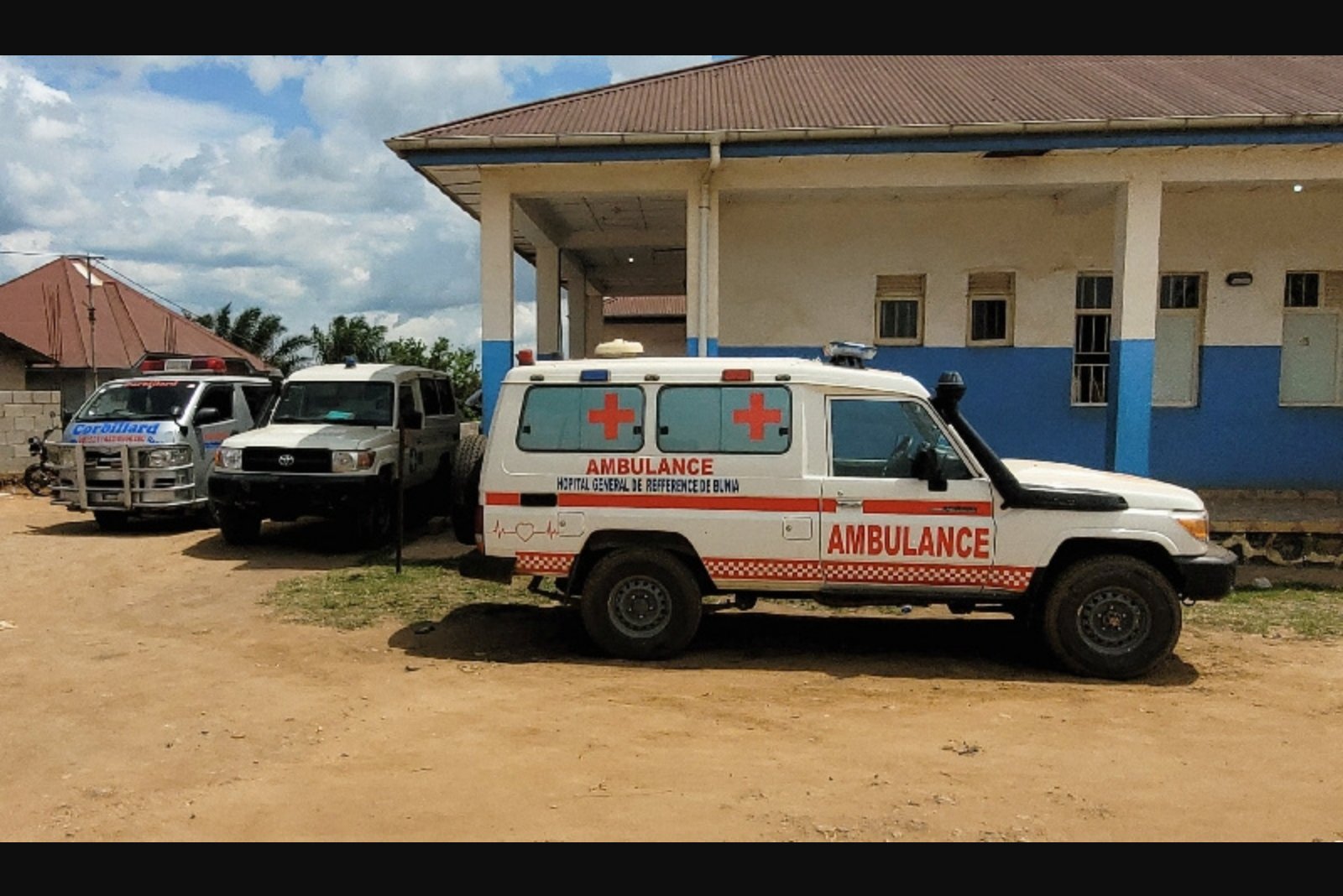
The World Health Organization has designated the Ebola outbreak spanning parts of the Democratic Republic of Congo and Uganda as a public health emergency of international concern following reports of significant suspected fatalities and multiple confirmed infections.
According to the U.N. health agency, health authorities have recorded 80 suspected deaths and nine laboratory-confirmed infections linked to the outbreak. The WHO identified the causative agent as the Bundibugyo virus and emphasized that while the situation does not meet the criteria for a pandemic emergency, nations that share land borders with the DRC face a high risk of further transmission.
Outbreak footprint and case counts
The WHO statement detailed that, as of Saturday, 80 suspected deaths and eight laboratory-confirmed cases had been reported in Ituri province in eastern DRC. Health officials were tracking 246 suspected cases across at least three health zones in Ituri, including Bunia, Rwampara and Mongbwalu. A ninth confirmed case was reported in the eastern city of Goma, according to a statement by the M23 rebel group.
The DRC health ministry had earlier reported that 80 people had died in this new outbreak in the eastern province. The WHO also noted that this is the country’s 17th recorded Ebola outbreak, and that Ebola was first identified in 1976. The agency cautioned that the outbreak could be larger than current tallies indicate, citing a high positivity rate among initial samples and a rising number of suspected cases being reported.
International spread and cases outside Ituri
International spread has already been documented, the WHO said, increasing the urgency of coordinated responses. In Uganda’s capital, Kampala, two apparently unrelated laboratory-confirmed cases were reported on Friday and Saturday, one of which resulted in death; both involved people who had traveled from the DRC. A laboratory-confirmed case was also detected in Kinshasa in a person who had returned from Ituri.
The WHO advised that individuals identified as contacts of Bundibugyo virus cases or confirmed patients should not travel internationally, except when being moved for medical evacuation. Confirmed cases should be immediately isolated, contacts monitored daily, and national travel should be restricted. The agency recommended no international travel until 21 days after exposure.
Medical countermeasures and public health guidance
The WHO described this outbreak as "extraordinary" in part because there are no approved therapeutics or vaccines specific to the Bundibugyo virus, in contrast to available countermeasures for Ebola-Zaire strains. The agency also noted that all but one of the country’s prior outbreaks were caused by the Zaire strain.
Given the cross-border risk, the WHO urged countries to activate national disaster and emergency-management mechanisms, to implement cross-border screening and to screen at major internal roads. At the same time, the agency cautioned against closing borders or imposing travel and trade restrictions out of fear, warning that such measures could drive people and goods toward informal crossings that are not monitored.
Regional public health response
Jean Kaseya, director general of the Africa Centres for Disease Control and Prevention, said he had requested technical guidance and recommendations on whether the outbreak should be declared a public health emergency of continental security.
The Africa Centres for Disease Control and Prevention described the disease’s clinical picture and transmission routes, noting that the virus can cause fever, body aches, vomiting and diarrhoea, and that it spreads through direct contact with the bodily fluids of infected people, contaminated materials or people who have died from the disease.
The WHO also reminded that the DRC’s dense tropical forests act as a natural reservoir for Ebola viruses.
Outlook
With confirmed cases in multiple cities and cross-border movement already implicated, health authorities are urging immediate isolation of cases, close monitoring of contacts, and activation of emergency mechanisms. Officials are balancing containment measures with guidance intended to avoid unmonitored human and goods movement across borders.
Note: The information in this article reflects counts and guidance reported by health authorities and the World Health Organization, including case and suspected fatality figures and operational recommendations on travel, isolation and surveillance.