
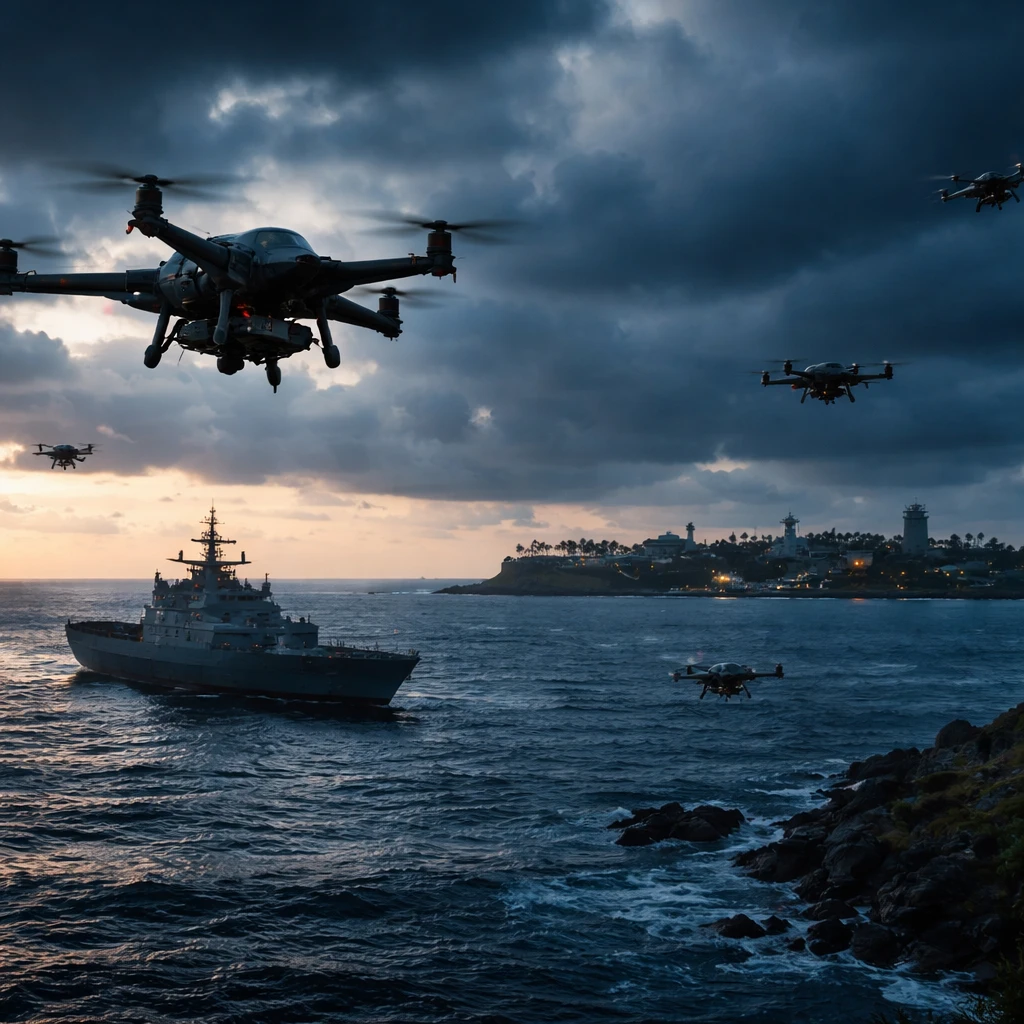
U.S. intelligence reports show that Cuba has acquired more than 300 military drones and that Cuban officials have recently discussed options for employing those systems against American targets, including the Guantanamo Bay naval base, U.S. military vessels and potentially Key West, Florida.
The assessment, described to reporters as classified intelligence, was shared with U.S. officials and cited as the basis for heightened concern within U.S. security circles. The report coincided with a trip to Havana by CIA Director John Ratcliffe on Thursday.
During that visit, Ratcliffe warned Cuban authorities against taking hostile action and also pressed the Cuban government to end sanctions against the U.S., according to accounts of the meeting. The trip and the intelligence update together underline the degree to which U.S. officials are monitoring military and diplomatic developments in Cuba.
A senior U.S. official told reporters the intelligence demonstrates how Cuba is increasingly viewed as a potential threat, given recent advances in drone capabilities and the reported presence of Iranian military advisers in Havana. The official was quoted as saying, "When we think about those types of technologies being that close, and a range of bad actors from terror groups to drug cartels to Iranians to the Russians, it’s concerning."
Prior to Ratcliffe’s visit, President Trump signaled that the United States was preparing to enter discussions with Cuba, noting on Truth Social that "Cuba is asking for help, and we are going to talk!!!"
Key takeaways
- Cuba has reportedly acquired over 300 military drones and has discussed possible deployments against the U.S. naval base at Guantanamo Bay, U.S. military vessels and potentially Key West, Florida.
- CIA Director John Ratcliffe met with Cuban officials and warned against hostilities while urging an end to sanctions against the U.S., according to reports of the visit.
- U.S. officials express concern about the proximity of advanced drone technologies and the reported presence of Iranian military advisers in Havana, citing an expanded range of potential actors of concern.
Risks and uncertainties
- Whether Cuba intends to move beyond discussion to actual deployment of drones against U.S. assets remains unclear - the intelligence cited indicates conversations but does not confirm executed operations.
- The extent and nature of Iranian military advising in Havana is described in the intelligence but not detailed in the reporting, leaving uncertainties about the level of foreign involvement and its operational impact.
- How U.S.-Cuba diplomatic engagement will evolve, including follow-up to President Trump’s statement about talks, is uncertain and could influence security dynamics.
Sectors and areas affected
- National defense and security monitoring, given the potential for drone threats to military installations and vessels.
- Maritime operations and regional naval posture, as U.S. military vessels were specifically cited as potential targets.
- Political and diplomatic channels between the United States and Cuba, in light of both the intelligence reports and the recent high-level visit.
Information in this article is drawn from classified intelligence as described to U.S. officials and reported accounts of those briefings. Where reporting characterizes conversations or assessments, precise operational intent or confirmed actions were not detailed in the material provided to reporters.