
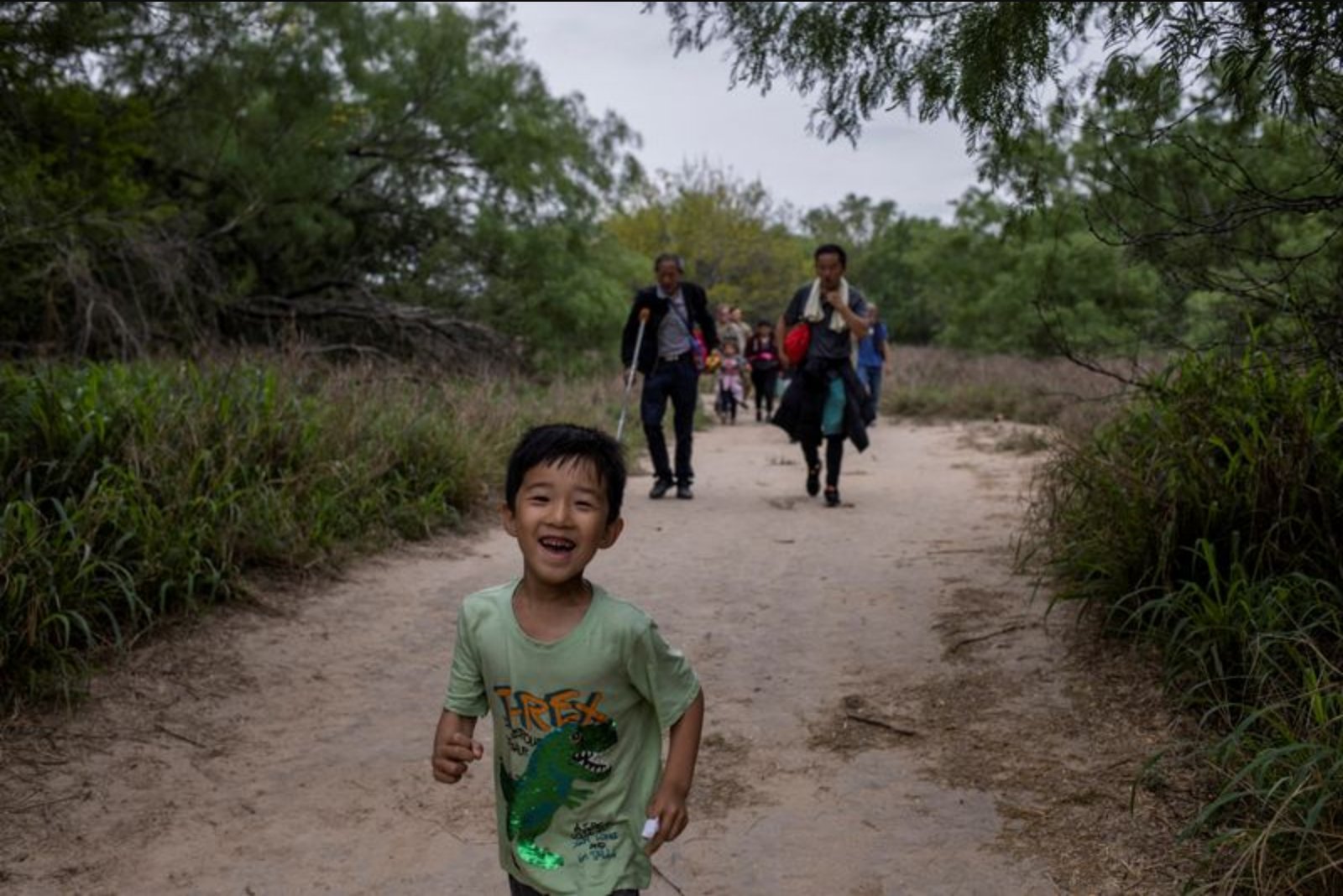
Washington says it has observed a decline in Beijing's cooperation on the repatriation of Chinese nationals who are in the United States without authorization, and is prepared to widen travel and visa restrictions if China does not change course, a senior administration official said.
The official, speaking on background to discuss internal deliberations, framed the slowdown as a failure by China to meet its obligations to take back its nationals. The warning comes days before a scheduled presidential visit to Beijing on May 14-15, where deportation and return of migrants are expected to be raised alongside other bilateral issues.
For President Trump, the trip carries significance beyond immigration; he is seeking trade concessions from Beijing that he can present to voters prior to November's midterm elections. Immigration policy and the return of foreign nationals have been a recurring theme of his approach since returning to the White House, with threats of tariffs and sanctions applied in other cases where countries were seen as uncooperative on deportations.
According to the official, China had previously indicated a willingness to repatriate "confirmed Chinese nationals" following verification. Beijing, the official said, has explained that the process takes time. Nevertheless, after accepting roughly 3,000 deportees via charter and commercial flights in early 2025, the official said that China has scaled back its cooperation over the past six months.
"China refuses to fully cooperate with the United States to take back its citizens," the official said, adding that the practice amounts to a violation of international obligations and of China’s responsibility toward its people. The official cautioned that without increased cooperation, the United States would consider a range of responses - including raising cash bonds required with visa applications, denying a greater number of visas, and blocking more entries at the border.
"Inaction by the Chinese government will jeopardize future travel for law-abiding Chinese citizens," the official warned.
Requests for comment to the Chinese embassy in Washington did not immediately receive a reply. Public statements from Beijing have previously emphasized opposition to illegal migration and described the matter as an "international issue that requires cooperation between countries."
U.S. officials described the scale of the current situation: more than 100,000 undocumented Chinese nationals are estimated to be in the United States, the official said. Of those, in excess of 30,000 have received final orders of removal, and more than 1,500 people have been detained pending deportation. The official noted that most of those detained in the latter category have committed other crimes.
Independent estimates vary. The Migration Policy Institute estimated that as many as 239,000 Chinese immigrants were not authorized to be in the United States as of mid-2022. The administration noted that other countries with comparable undocumented populations, including India, are cooperating fully with U.S. requests for repatriation.
The United States has been pressing Beijing to issue the travel documents needed for deportees and to authorize Customs and Border Protection charter flights carrying individuals being returned to China. Those flights would be paid for by the U.S., the official said.
Under Section 243(d) of the Immigration and Nationality Act, the United States is empowered to place visa sanctions on countries deemed "recalcitrant" in responding to repatriation requests. The Department of Homeland Security has routinely applied the recalcitrant label to China in recent years, the official noted.
U.S. law enforcement officials, spanning administrations, have long suspected that China deliberately slows the issuance of new travel documents for deportees either because it does not want to readmit them or because it views the issue as leverage in negotiations with Washington. The official said that on occasion China has sought to tie U.S. requests for deportations to Beijing’s requests for extradition of economic or political fugitives who are in the United States.
The administration’s potential measures - raised cash bonds for visa applicants, broader visa denials, and more frequent entry blocks at the border - are intended to increase pressure on Beijing to resume more regular cooperation on repatriations. The official framed these steps as effort to uphold U.S. immigration enforcement and to protect the integrity of legal travel pathways.
Context and next steps remain focused on diplomacy and enforcement. The administration will raise the issue during the upcoming presidential meetings in Beijing, while keeping options open to implement administrative penalties if bilateral efforts do not lead to renewed cooperation on the return of people with final orders of removal.