
Overview
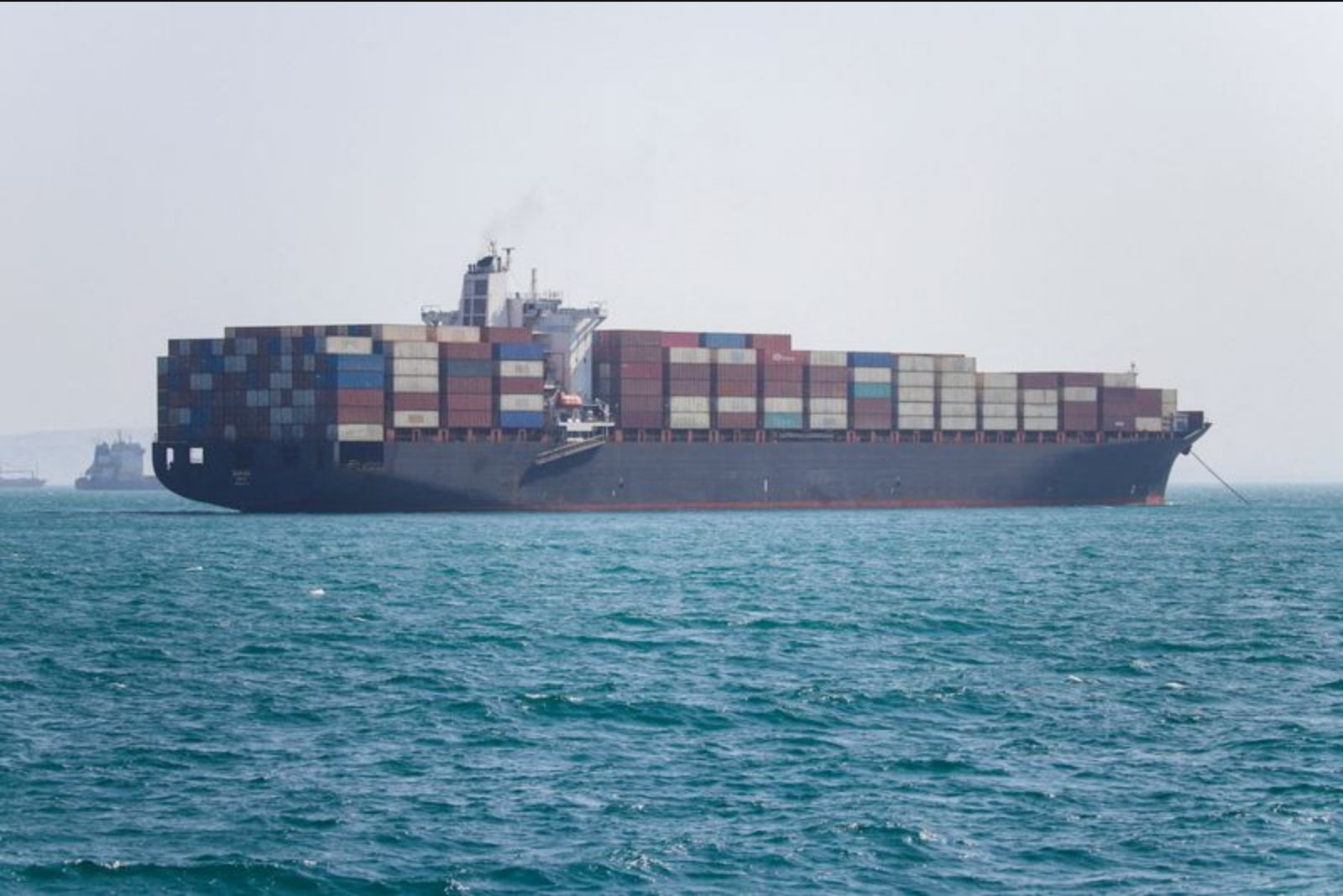
What was described as a U.S. effort to secure maritime movement, called "Project Freedom," has so far failed to reestablish reliable shipping through the Strait of Hormuz. The U.S.-flagged Maersk vehicle carrier Alliance Fairfax, operating under the U.S. flag, departed the Gulf via the Strait accompanied by U.S. military assets, but that one transit did not signal a return to normal operations.
Incidents in the Gulf and broader impact
Several merchant vessels in the Gulf reported explosions or fires, and U.S. officials said they destroyed six small Iranian military boats. Separately, Iranian missile strikes ignited an oil port in the United Arab Emirates, a facility that hosts a substantial U.S. military presence, leaving the port ablaze. Seoul's Foreign Ministry said authorities would investigate the origin of a fire aboard a South Korean-operated ship in the Strait. Taken together, these developments have left shipping through the Strait of Hormuz largely at a standstill.
Markets reacted to the fragile truce between the U.S. and Iran by moving into a cautious posture. Asian stock markets fell on Tuesday, and crude oil prices held comfortably above $100 a barrel, reflecting the continued risk to supply. In Australia, Westpac Banking Corp warned about the economic hazards generated by the Middle East conflict as it reported a first-half profit that was below expectations.
Regional economic strains
The sustained global energy shock is exerting mounting economic pressure, especially on Asian governments. Officials across the region are seeking alternative fuel sources and measures to shield their economies from the more severe effects of high energy costs. In the Philippines, annual inflation accelerated to a three-year high in April, with the surge in fuel prices cited as a driver that increases the likelihood of further monetary tightening.
Market calendar: earnings and policymakers
Setting geopolitics aside, corporate earnings season is underway. Chipmaker AMD and pharmaceutical company Pfizer are among firms scheduled to release results later in the day. Data compiled by S&P Global Market Intelligence indicates that of S&P 500 companies that have reported so far, 83% have beaten earnings-per-share estimates and 78.2% have exceeded revenue projections.
Alongside corporate reports, a number of central bank officials are due to speak across events, following a week that saw several policy makers adopt a more hawkish stance. The policymakers scheduled to address markets include Bank of England official Sam Woods, and European Central Bank leaders Christine Lagarde and Philip Lane. Federal Reserve officials Michael Barr and Michelle Bowman are also on the speaking roster.
Near-term market-moving items
- Speeches by: Bank of England's Sam Woods; European Central Bank's Christine Lagarde and Philip Lane; Federal Reserve's Michael Barr and Michelle Bowman.
- Corporate earnings scheduled: AMD, Pfizer, KKR, PayPal, AMC Entertainment.
- U.S. labor-related data: 'JOLTS' job openings for March.
What this means for transport and markets
From a transportation and logistics perspective, the ongoing stoppage in the Strait of Hormuz presents acute operational disruption for maritime freight, particularly for energy shipments. Elevated oil prices and constrained shipping routes add cost and complexity to supply chains. At the same time, investor focus is split between geopolitical risk and a packed economic calendar that includes corporate earnings and central bank commentary, all of which could amplify market volatility in the near term.