
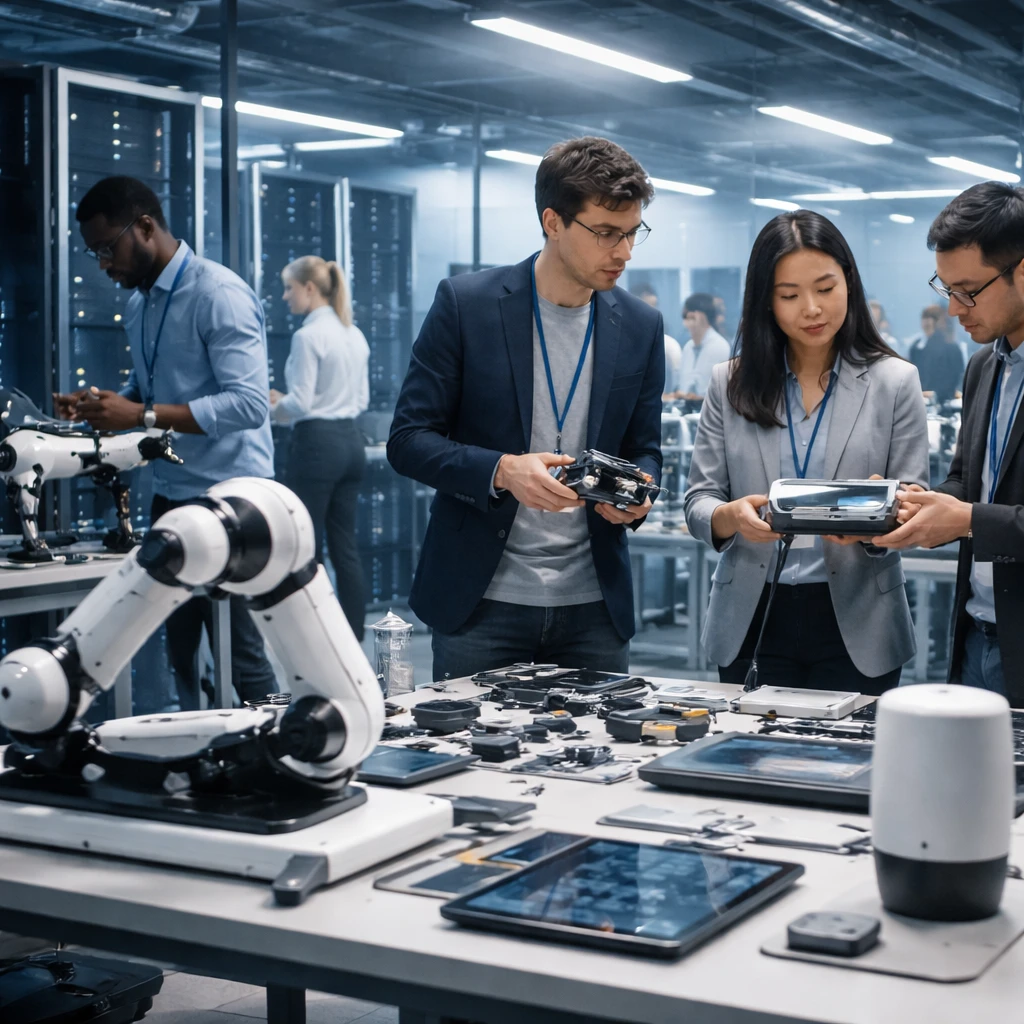
OpenAI's leadership explored a plan in late-2025 to detach the company’s robotics and consumer-hardware divisions and have those units raise funding externally and operate with greater independence. The concept - examined by Chief Executive Sam Altman - was ultimately rejected in part because the newly formed entities might have remained consolidated on OpenAI’s balance sheet, according to people familiar with the matter.
The deliberation over a potential spinoff exposes the trade-offs the company faces as it prepares for an initial public offering. Altman has authorised a range of ambitious projects beyond the firm's flagship chatbot, yet the company now faces pressure to limit initiatives that do not make a clear contribution to revenue.
Sources involved in the discussions said the separation would have allowed the robotics and consumer-hardware teams to secure outside capital and operate with more autonomy from the core generative-AI business. However, the accounting and balance-sheet treatment of those new entities raised concerns that helped sway the decision not to proceed at this time.
Concurrently, OpenAI has been redirecting its commercial strategy. The company is concentrating resources on developing a new superapp intended to draw more coders and enterprise customers - a shift that follows reports the firm has fallen behind a rival, Anthropic, in certain areas.
Recent internal metrics reportedly showed OpenAI missed some of its user and revenue targets, though the company has said growth picked up after it released a new AI model. In addition to refocusing product priorities, OpenAI discontinued its video-generation tool Sora to free up computing capacity for what it identifies as core products.
The leadership team may revisit the idea of spinning off the robotics and hardware divisions in the future, though no current plan is in place. For now, the company appears to be concentrating on initiatives it believes will better support its path to public markets and deliver clearer revenue outcomes.
Context and implications
- Separating capital-intensive hardware and robotics efforts from the core AI services business was intended to attract external investment and operational focus.
- Concerns about balance-sheet consolidation and the need to emphasize revenue-generating work influenced the decision to halt the spinoff for now.
- Shifting resources away from less profitable projects toward a superapp and core AI models reflects a tighter alignment with commercial performance metrics ahead of an IPO.