
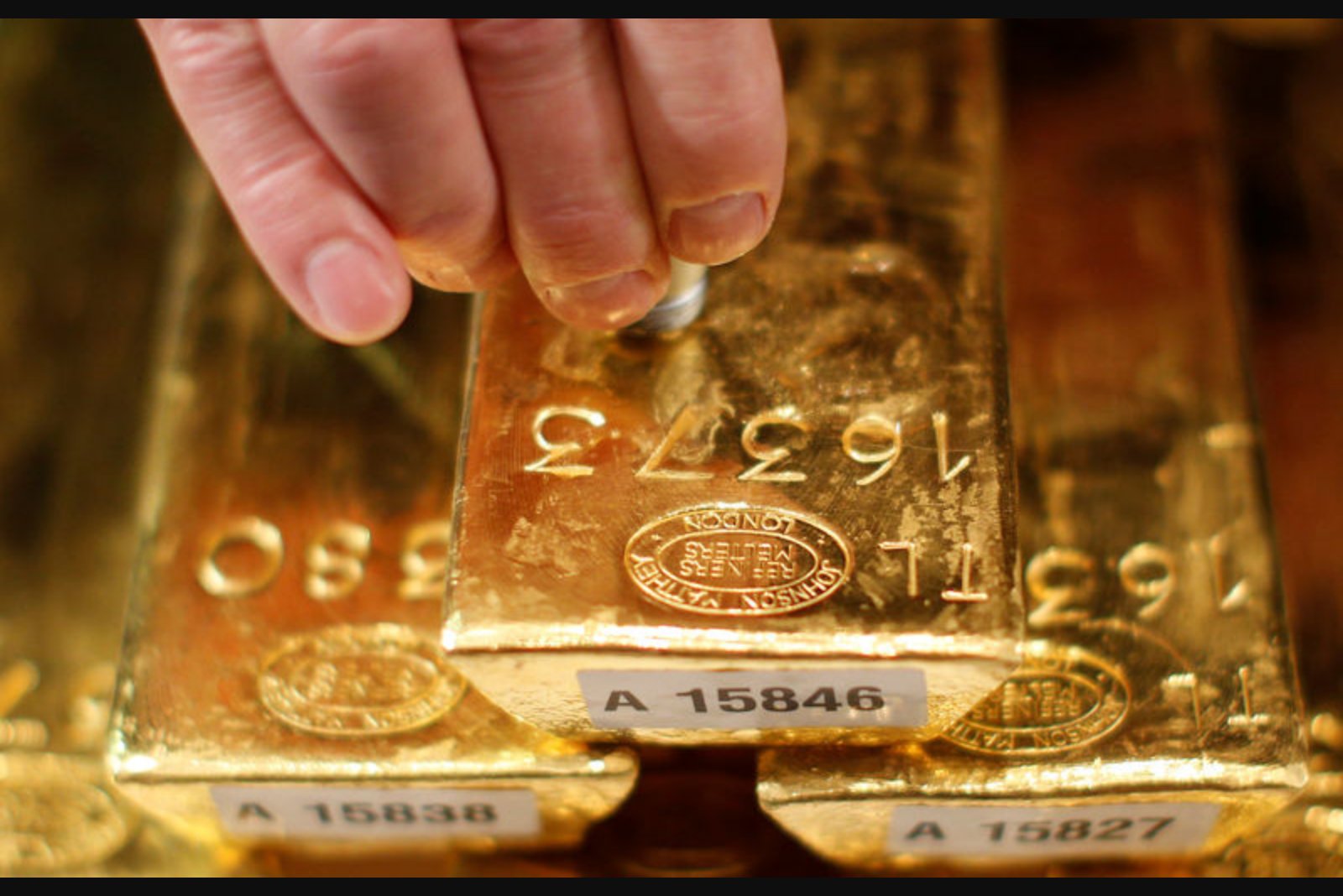
Asian trading saw a modest rebound in gold after the metal hit its weakest level in about a month the previous session. By 22:13 ET (02:13 GMT), spot gold was quoted up 0.4% at $4,539.75 an ounce. U.S. Gold Futures for June delivery increased 0.3% to $4,548.10.
Gold had declined more than 2% in the session before, marking its lowest settlement since late March. Prices remained subject to fresh directional forces as markets tracked escalating U.S.-Iran tensions in the Gulf and policy moves intended to reopen vital maritime routes.
Officials reported new launches of attacks on Monday as both sides sought control of the Strait of Hormuz, a narrow but vital corridor for global energy shipments. Those operations effectively ended what had been a tentative truce, and the U.S. military said it destroyed six small Iranian attack boats during engagements in the strait.
Separately, Iran widened the scope of hostilities by striking the United Arab Emirates. A key oil facility at Fujairah port was set ablaze following missile and drone attacks, according to the accounts in the markets. The strikes and naval clashes have kept attention squarely on Gulf stability and energy transit routes.
These developments followed a U.S. initiative known as "Project Freedom," aimed at escorting vessels and reopening shipping lanes through the Strait of Hormuz. The program has generated hopes that it could ease disruptions to seaborne supply, but it has not removed uncertainty about the potential for further military escalation.
Geopolitical risk of this sort typically supports safe-haven demand for gold. Yet, in the current episode, bullion’s upside has been limited by a separate set of market forces. A jump in oil prices has stoked inflation concerns and contributed to a rise in global bond yields, which tends to weigh on non-yielding assets such as gold.
Gold’s recent weakness has been pronounced: the metal is down more than 10% since the conflict began in late February. Market participants cited persistent inflation and growing expectations for higher interest rates as factors that have offset some of the usual safe-haven flows into bullion.
Other precious metals also moved higher in the latest trade. Silver rose 0.4% to $72.99 per ounce, while platinum advanced 1.4% to $1,973.75 per ounce.
Market context
- Spot gold: up 0.4% at $4,539.75 per ounce (22:13 ET / 02:13 GMT).
- U.S. Gold Futures (June): up 0.3% at $4,548.10.
- Recent performance: gold fell more than 2% in the prior session to the lowest since late March; it is more than 10% lower since late February.