
Oil futures slipped in Asian trade on Tuesday following a sharp advance in the prior session, as investors balanced intensifying military activity in the Gulf with U.S. attempts to stabilise commercial shipping through the Strait of Hormuz.
As of 21:18 ET (01:18 GMT), September Brent futures were down 0.2% at $69.06 per barrel, while West Texas Intermediate crude for the same period rose 0.2% to $61.65 per barrel.
Benchmarked against the prior trading day, the recent moves represent a pause after a pronounced spike: Brent climbed by more than 4% and WTI finished roughly 6% higher during the previous session. That jump followed an escalation in clashes between U.S. and Iranian forces that included attacks on energy infrastructure and on vessels transiting the Strait of Hormuz.
Market sentiment remained fragile after renewed military exchanges on Monday, when both sides launched fresh attacks in the Gulf. The resurgence of hostilities effectively ended a fragile ceasefire and raised concerns over the potential for prolonged disruption to energy flows through the strategic waterway.
Tensions intensified further when Iranian strikes hit infrastructure in the United Arab Emirates, notably an oil terminal at the Fujairah port. Such strikes added to worries about damage to export and transit points that underpin global oil movements.
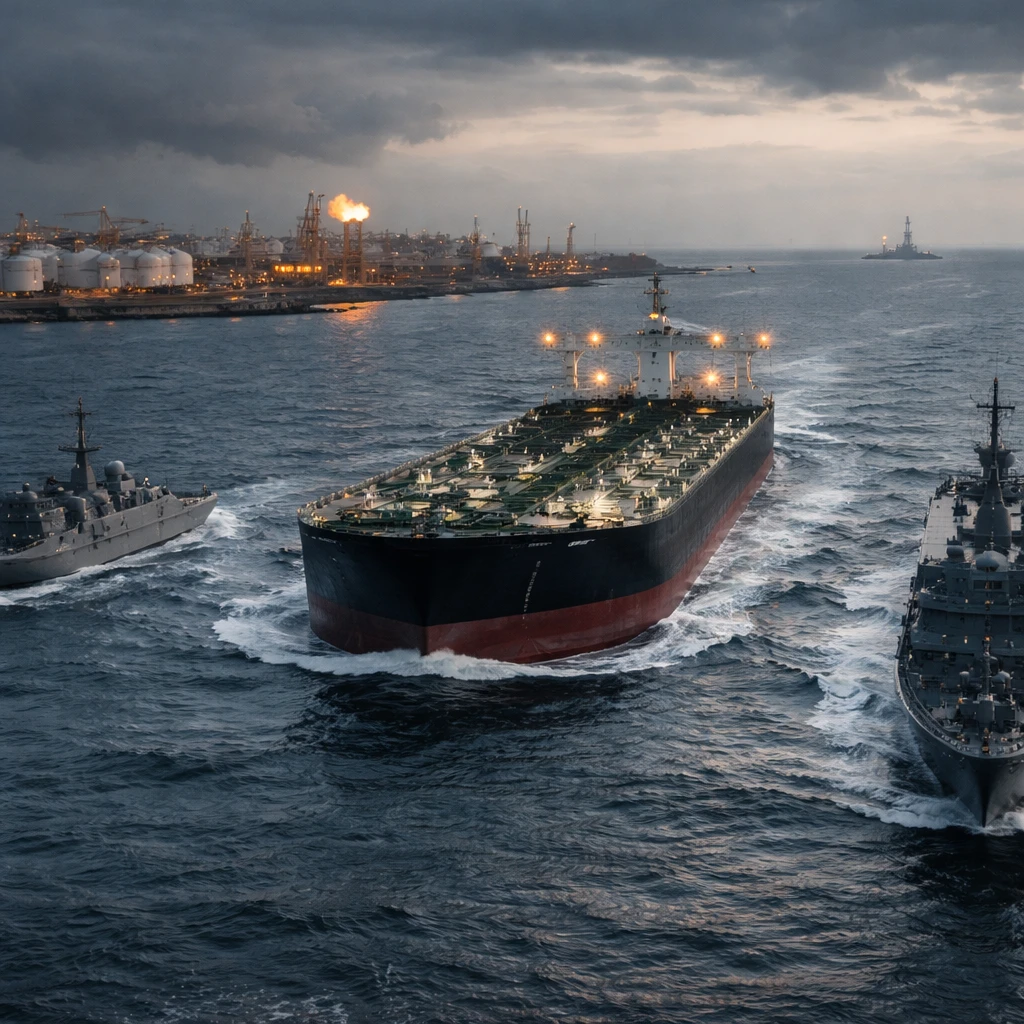
In parallel, traders considered the implications of a newly announced U.S. plan, named "Project Freedom," aimed at assisting vessels stranded in the Gulf. The operation is described as guiding commercial ships along safer routes and restoring partial flows through the Strait of Hormuz.
The U.S. military said it had already begun escorting ships under the initiative, with American forces actively working to re-establish commercial shipping lanes. Analysts noted that while the operation may relieve some logistical bottlenecks, it does not address the underlying geopolitical dispute. As a result, oil markets remain highly sensitive to any additional military developments that could further disrupt supply.
For market participants and corporate risk managers, the episode highlights the persistent vulnerability of physical oil flows to security shocks and the limited capacity of naval escorts to substitute for a stable political resolution.