
Iranian Foreign Minister Seyed Araghchi on Monday cautioned that military measures will not solve the situation in the Strait of Hormuz, while indicating that diplomatic talks held in Pakistan are showing forward movement.
"Events in Hormuz make clear that there’s no military solution to a political crisis," Araghchi wrote in a social media post, restating Tehran's position that the dispute requires political negotiation rather than escalation.
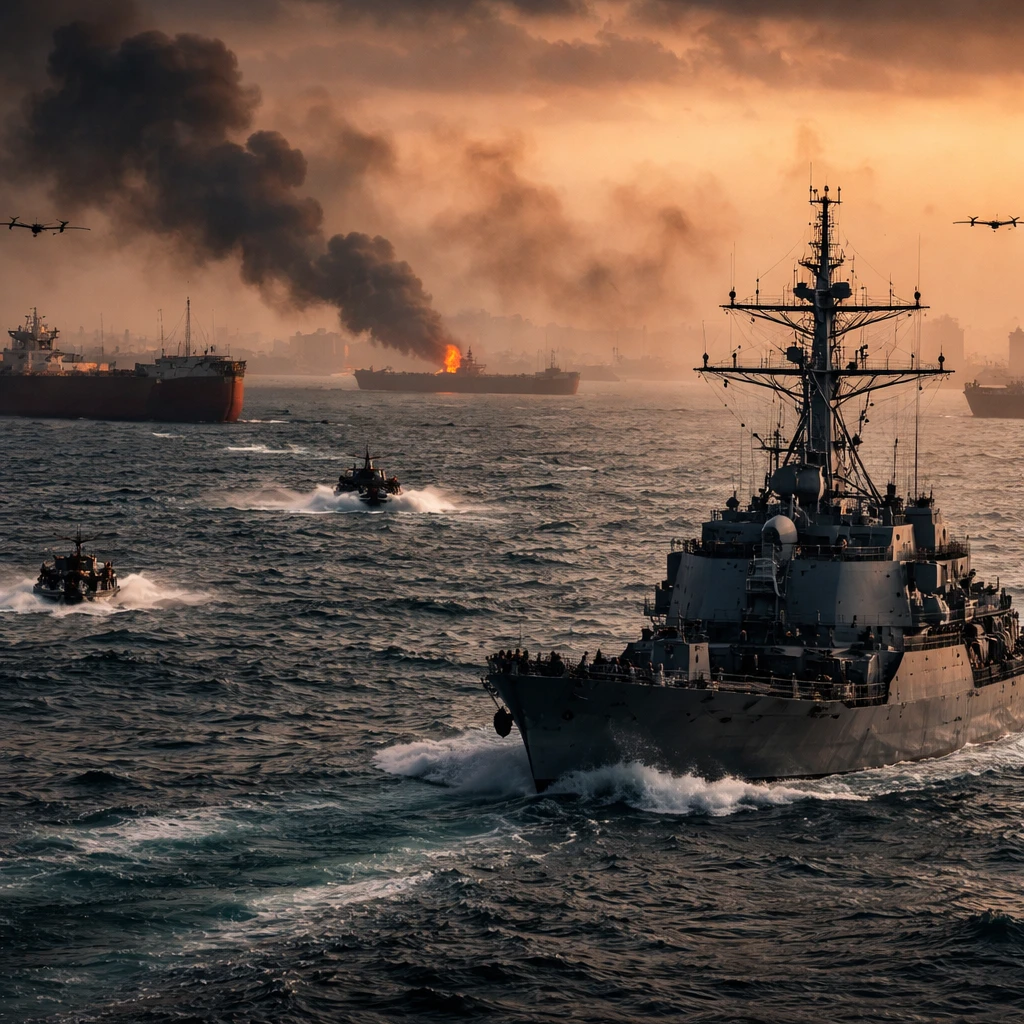
The minister’s comments come amid renewed clashes in the strategic waterway. The United States initiated a military effort to escort commercial vessels through the channel, a move that prompted resistance from Iran. In response to the U.S. escort operation, Iran was seen launching multiple cruise missiles, drones, and small boats, with reports that several ships and an oil port in the United Arab Emirates were struck.
These engagements have put further strain on a ceasefire between Washington and Tehran that had already been fragile. The two sides have been at odds over control of the Strait of Hormuz, a crucial maritime passage for global energy shipments.
Since the start of the war in late-February, Iran has effectively kept the shipping channel closed, a disruption that has been estimated to cut off roughly a fifth of the world’s oil supply. Efforts to negotiate an end to the conflict between the U.S. and Iran have so far produced limited results.
Araghchi said that talks between the two sides - brokered by Pakistan - were "making progress," a comment that suggests diplomatic contact continues even as military confrontations occur. It was not clear whether the reported dialogue involved direct talks between Washington and Tehran or exchanges conducted through intermediaries; that uncertainty tempers any immediate expectations for de-escalation.
Market reactions reflected the volatility. Oil prices slid some 1.4% in the early hours of Tuesday after rallying around 6% in the prior session, underscoring how the clashes in Hormuz have translated quickly into energy-market movements.
Diplomatic differences remain pronounced. Iran submitted a 14-point peace plan aimed at reopening the Strait and ending the war, but Washington was seen largely rejecting that proposal. At the same time, U.S. political rhetoric has remained severe: U.S. President Donald Trump on Monday reiterated threats against Iran, warning the country would be "blown off the face of the Earth" if it attacked any U.S. vessels operating in Hormuz.
With military incidents occurring alongside ongoing, if opaque, diplomatic exchanges, a clear path to de-escalation has yet to emerge.
Key takeaways
- Iran’s foreign minister emphasized that there is "no military solution" to the Hormuz crisis, urging political dialogue instead.
- Diplomatic talks brokered by Pakistan are reported to be "making progress," though it is unclear whether they are direct or mediated.
- Renewed clashes - including reported Iranian strikes on ships and a UAE oil port - and U.S. escort operations have driven volatility in oil prices and heightened regional tensions.
Sectors affected: Energy and oil markets, global shipping and logistics, and regional security-sensitive assets.
Risks and uncertainties
- Potential breakdown of the fragile ceasefire between the U.S. and Iran, which could further destabilize the Strait of Hormuz - affecting shipping and energy supply chains.
- Continued disruptions to oil flows - the channel has been effectively closed since late-February, cutting off roughly a fifth of global oil supply - which poses ongoing risk to energy prices and market stability.
- Unclear nature of diplomatic contacts - whether direct or through intermediaries - leaves the prospects for rapid de-escalation uncertain.