
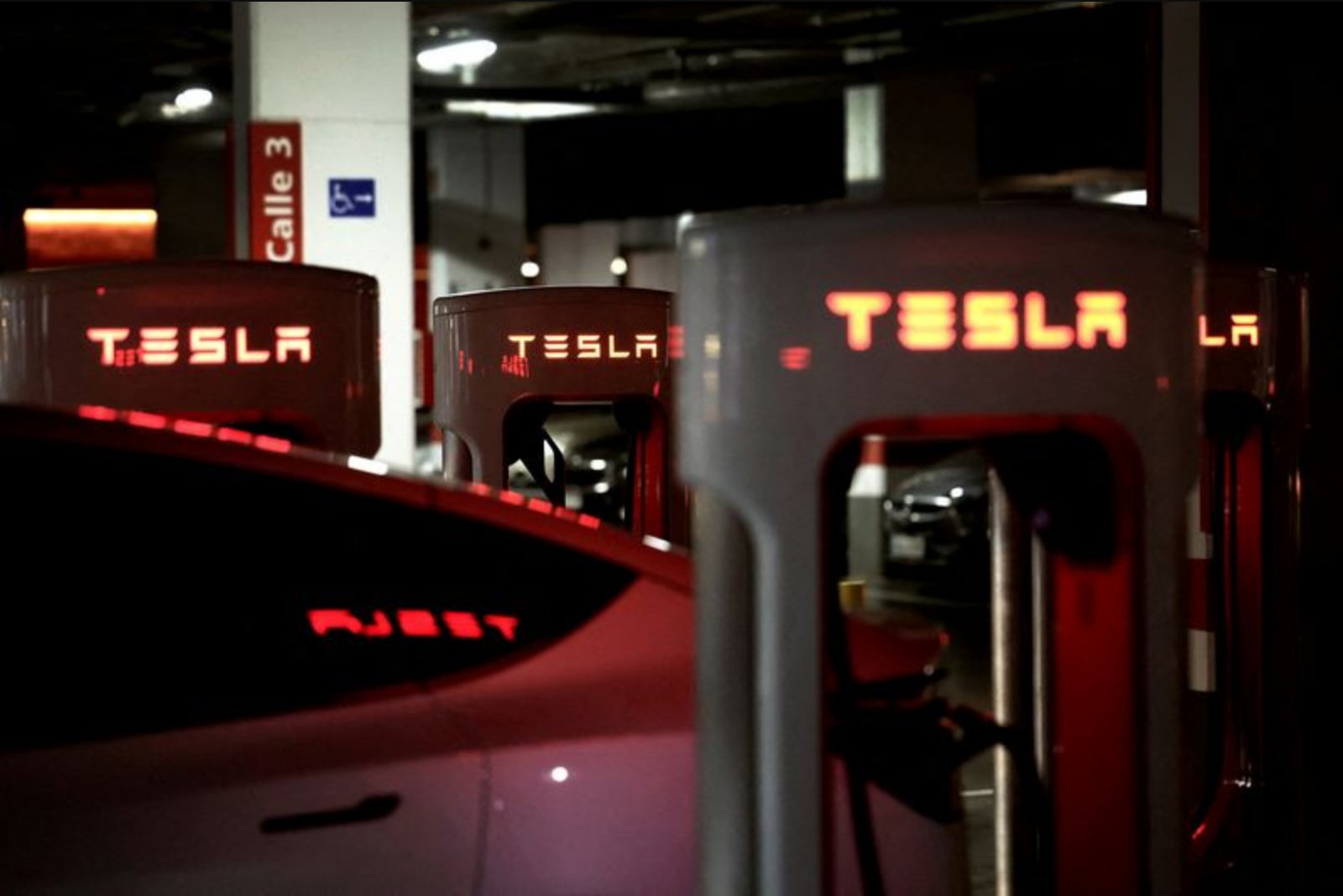
Tesla has started a concentrated campaign to extend the reach of its "Full Self-Driving (Supervised)" software across Europe after receiving approval from the Netherlands’ road regulator, RDW, in April. While CEO Elon Musk has expressed confidence that the European Union will soon authorize the system and that Tesla will then pursue approvals for driverless robotaxis, correspondence among regulators in several member states shows substantial reservations over the technology and its purported safety benefits.
RDW has forwarded its approval for FSD to an EU-level committee, which will hear Dutch officials explain their decision and argue why other member states should accept the technology. The Dutch approval came in April, and a committee hearing is scheduled for Tuesday to examine RDW’s rationale. Musk told analysts on an April 22 conference call that he expected approvals in "a lot of other countries," and said Tesla would afterward seek permission for driverless robotaxis across Europe.
For FSD to win EU authorization, committee members representing at least 55% of member states and at least 65% of the EU population must vote in favor. There is no vote planned for this week; the committee’s next meetings are anticipated in July and October. Meanwhile, national regulators have indicated they will review the materials presented at the committee meeting before taking positions.
Regulatory correspondence exposes technical and procedural questions
In email exchanges obtained through public records requests, transport agency officials in the Netherlands, Sweden, Finland, Denmark and Norway flagged multiple concerns that they said warrant careful review before broad recognition is granted. These communications cover a range of issues, from the system’s tendency to exceed speed limits to doubts about its suitability on icy roads and queries over drivers potentially circumventing safeguards intended to limit cell-phone use while FSD is active.
Some regulators also questioned whether the "Full Self-Driving (Supervised)" label could mislead consumers into overestimating the system’s capabilities. One Swedish investigator asked directly whether the name "risks giving consumers a misleading impression" of what the software actually does.
The emails show that Tesla’s own staff engaged with officials in several countries soon after the Netherlands’ decision. A Tesla policy manager contacted Swedish authorities four days after the April 10 announcement, despite the fact that regulators in other nations had not yet reviewed documentation about the system. Tesla also approached Estonia and Finland and requested that those countries recognize the Dutch approval, according to the correspondence.
Specific operational concerns raised by Nordic regulators
Officials in Sweden and Finland raised pointed questions about how FSD behaves in challenging driving conditions. Hans Nordin, an investigator at the Swedish Transport Agency, wrote in an April 15 email that he was "quite surprised" to learn Tesla allowed the system to speed, and that such behavior should not be permitted. A Finnish transportation official, Jukka Juhola, asked in January whether Tesla’s demonstrations showing the system operating in wintry conditions truly indicated the company was introducing "a system that allows hands-free driving also on icy 80 km/h roads." The Nordic regulators additionally discussed the system’s handling of large animals, flagging moose as a particular concern on their roads.
Not all feedback was critical. A Danish regulator, Frank Schack Rasmussen, said in an October email that the vehicles "did perform very well in the complex traffic" of Copenhagen’s rush hour. A Dutch official described positive system performance around the Arc de Triomphe in Paris. Anders Eriksson, another Swedish Transport Agency investigator, told colleagues that Sweden was "generally positive" about automated driving technology, provided it adheres to regulatory requirements.
Pressure on regulators from Tesla and its supporters
The correspondence also documents frustration among officials about Tesla’s public efforts to rally customers to press regulators for approval. Tesla’s CEO has publicly urged European authorities to act more quickly, and at the company’s November annual shareholder meeting he said, "we obviously need to get it approved in Europe," encouraging customers to contact regulators. The emails show that Tesla owners responded: one Norwegian owner warned that denying FSD approval could "lead to the loss of lives that would have been saved with this technology."
Regulatory staff said they received a large volume of such messages and that they could complicate the review process. After Musk’s shareholder remarks, Stein-Helge Mundal of the Norwegian Public Roads Administration wrote that regulators "will need to use a lot of effort to answer misled consumers." Ivan Komusanac, Tesla’s EU Policy and Business Development manager, apologized to Mundal and acknowledged that officials in other countries had voiced similar complaints, writing that "Such emails are usually not helpful for the approval process."
Documentation and transparency questions ahead of EU decision
Regulators in Sweden, Finland and Estonia indicated they intend to examine the documentation to be presented at the committee meeting before reaching conclusions. The emails show they have not yet completed their reviews. Dutch officials have not released the research or data underpinning their decision; RDW General Manager Bernd van Nieuwenhoven told colleagues that the agency had tested the system extensively and urged counterparts to "trust us on this, we tested it extensively."
Tesla has told investors and interested parties that obtaining EU approval for FSD is central to boosting its European sales, which the company says dropped 27% in 2025 amid protests concerning Musk’s political activities. In a confidential presentation included in the regulatory correspondence, Tesla projected an "EU-wide" approval in the second or third quarter of the year. Some analysts have similarly forecast a rapid rollout of FSD across Europe within months, while others remain cautious pending the committee process and national reviews.
Michael Ashley Schulman, a partner at Cerity Partners, which manages investments in Tesla, said approval in Europe could lift profits and help protect Tesla from competition presented by Chinese automakers. The correspondence and public documentation do not include conclusive, EU-level data; committee members must weigh the Dutch approval alongside the national regulators’ questions when they decide whether to grant wider recognition.
What comes next
The immediate next step is the EU committee’s hearing, where Dutch officials will present their reasons for approving FSD and argue for broader adoption. If the committee does not schedule a vote this week, subsequent opportunities to register positions are expected at meetings in July and October. Regulators across the bloc have underscored that they will review the materials supplied at the committee meeting before making final determinations.
As the approval process moves forward, the correspondence indicates regulators will continue to evaluate both the technical performance and the clarity of Tesla’s messaging about FSD’s capabilities. The outcome will be consequential for Tesla’s product rollout plans in Europe and could influence competitive dynamics in the electric vehicle market, depending on whether the system receives EU-wide recognition and how quickly member states align behind any committee decision.
Is TSLA a bargain right now? The fastest way to find out is with a Fair Value calculator. The service claims to use a mix of 17 proven industry valuation models for maximum accuracy. Get the bottom line for TSLA plus thousands of other stocks and find potential opportunities among undervalued names.