
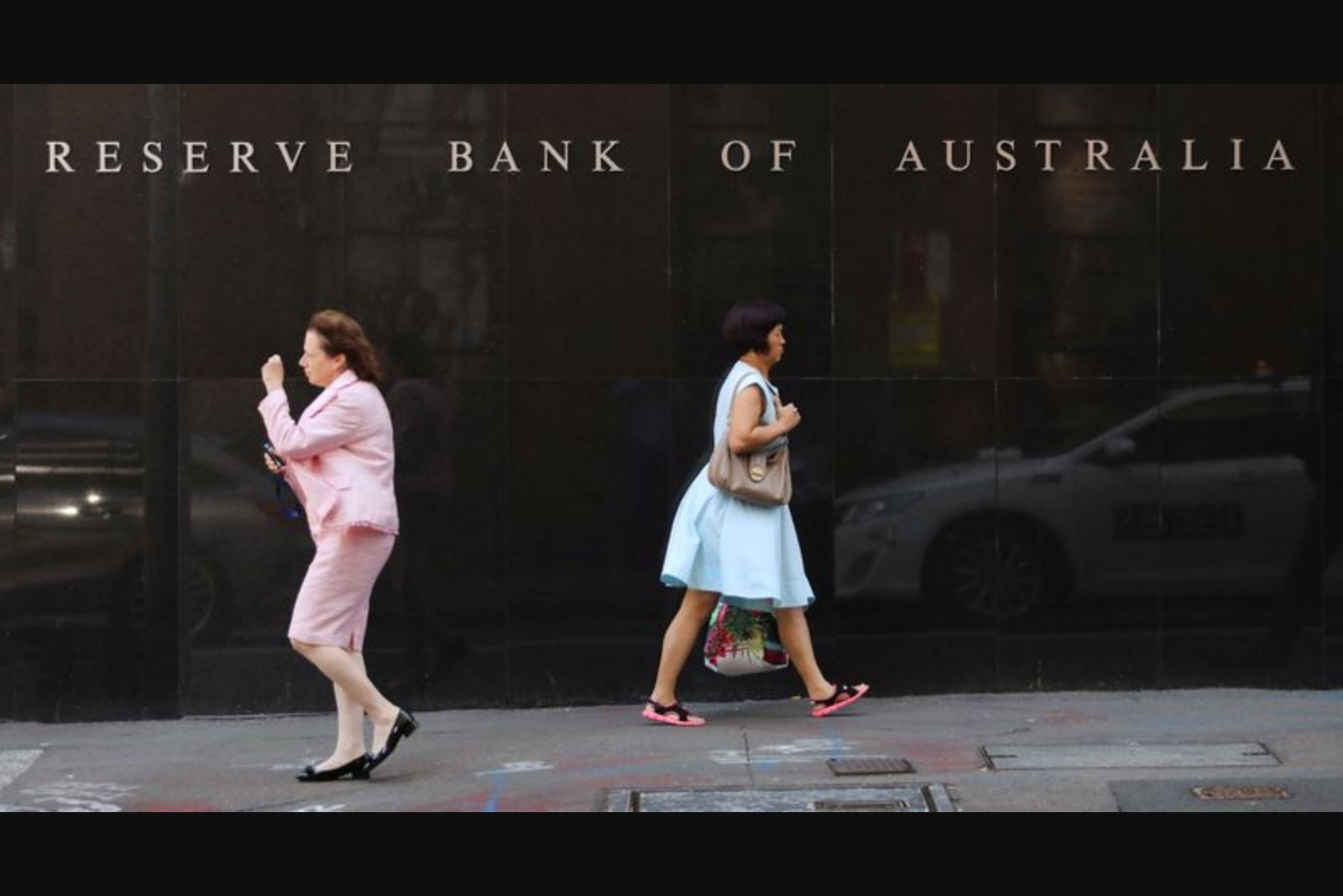
The Reserve Bank of Australia raised its main cash rate by 25 basis points to 4.35% at the conclusion of its May policy meeting, undoing the three rate cuts implemented in 2025 and returning borrowing costs to levels not seen since the height of the post-pandemic tightening cycle.
The decision was backed by an 8-1 vote, a clearer majority than the narrow 5-4 split at the bank's March meeting. The RBA pointed to higher fuel prices and signs that these increases could spread to prices for goods and services more broadly.
"Higher fuel prices are adding to inflation and there are indications that this is likely to have second-round effects on prices for goods and services more broadly," the board said in its policy statement. "The board assessed that inflation is likely to remain above target for some time and that the risks remain tilted to the upside, including to inflation expectations."
Financial markets had largely expected a move. After inflation rose to 4.6% in March - a jump driven in part by higher fuel costs - markets priced in about an 80% chance of a hike at the meeting, and 30 of 33 economists polled by Reuters anticipated a rise. The closely watched core inflation metric remains above the RBA's 2%-3% target band.
Market reaction following the announcement was muted. The Australian dollar held near $0.7167, while three-year government bond futures changed little, trading around 95.33. Traders are placing roughly an 80% probability on an additional rate increase to 4.6% by August, with a further move by September priced in more than fully.
The RBA took a more measured approach than some central banks during the earlier phase of post-pandemic inflation, emphasizing gains in the labour market rather than aggressive tightening. Interest rates had peaked at 4.35% early last year before three cuts reduced the cash rate to 3.6%; those cuts have now been fully reversed.
That strategy has left the bank confronting renewed inflationary pressure in the latter part of the cycle. The RBA said the recent conflict in the Middle East had produced a fresh global energy shock, adding to inflationary forces. Brent crude futures rose to around $114 a barrel following new attacks in the Gulf, representing an increase of over 50% compared with pre-conflict levels.
In its forecast, the RBA now expects inflation to peak near 5% and anticipates the economy will slow to a sub-par growth rate of about 1.3% by the end of the year, assuming the Middle East conflict is resolved in a relatively short timeframe. The board cautioned that the economic impact would be substantially larger if the Strait of Hormuz were to be closed for an extended period.
Sentiment among businesses and consumers deteriorated sharply amid concerns that the conflict could tip the economy into recession. The housing market also showed signs of losing momentum as higher borrowing costs and geopolitical uncertainty weighed on activity.
Despite those headwinds, the labour market remains tight: the unemployment rate stood at a historically low 4.3% at the time of the statement.
What this means for markets and sectors
- Monetary policy: The RBA's decision restores rates to post-pandemic highs and signals the bank remains prepared to act further if inflationary pressures persist.
- Energy and commodities: A jump in oil prices tied to the Middle East conflict has materially altered the inflation outlook and is influencing market expectations for future rate moves.
- Housing and consumer spending: Higher borrowing costs and falling consumer and business confidence have begun to sap momentum in the housing market and could weigh on household demand.
The board's statement and the market pricing suggest policymakers will continue to monitor the persistence of inflation, particularly where it is being driven by energy, and will weigh the risks around inflation expectations moving higher. With the unemployment rate still low, the RBA faces a trade-off between containing inflation and preserving labour market gains.