
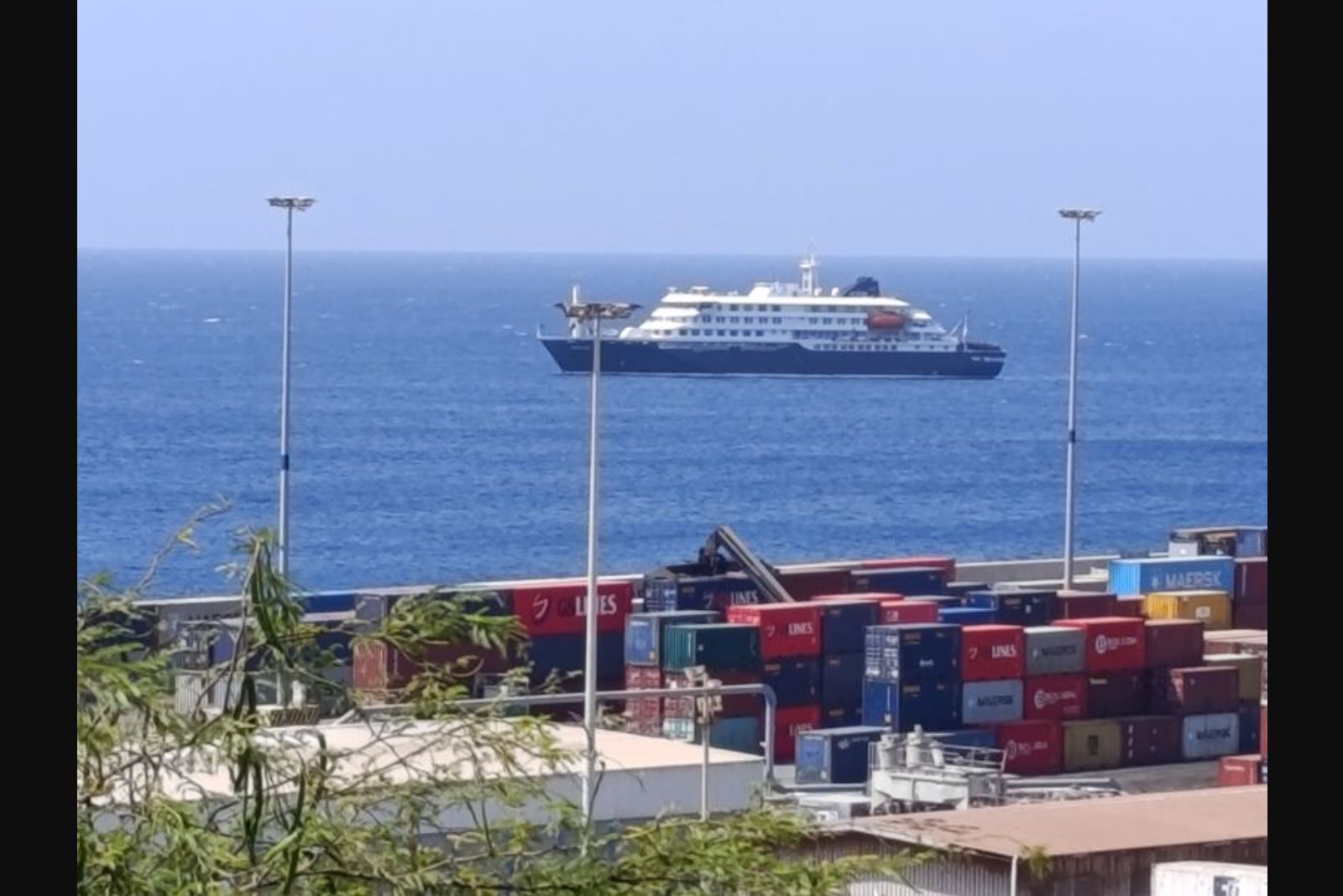
The mood aboard the M/V Hondius shifted from wonder to alarm as an Antarctic nature expedition transformed into a maritime quarantine. Footage posted by passenger Jake Rosmarin initially showed wildlife and remote landscapes - cows on a volcanic island and a rare bird sighting - with no obvious sign of the crisis that would soon confine the vessel off the Cape Verde islands.
Rosmarin’s posts document the abrupt change in atmosphere. On May 2 he posted: "For those who have seen recent news, yes, I am currently onboard the M/V Hondius," adding that he did not wish to say more, "out of respect for those involved." The next day, as the ship remained moored offshore and authorities refused permission to disembark passengers and crew, he appeared visibly upset in a follow-up video, saying: "What’s happening right now is very real for all of us." He added: "We’re not just headlines. We’re people with families, with lives, with people waiting for us at home," his voice trembling while he choked back tears. "All we want is to feel safe and to get home." Two days earlier he had posted about spotting a critically endangered Wilkins’s Finch on Nightingale Island.
Oceanwide Expeditions, the operator of the voyage, said the ship had been visiting some of the most remote locations on Earth, including Tristan da Cunha, where Rosmarin filmed the cows. About 150 people remain aboard, unable to come ashore as Cape Verdean health authorities have not granted permission for medical evacuation or passenger screening.
Three people on board have died, Oceanwide said - identified by nationality as a Dutch couple and a German national. The timeline released by the operator shows the first passenger to fall ill, a Dutch man, died on April 11 while the vessel was en route to Tristan da Cunha. His body stayed on board until April 24, when it was disembarked on St Helena with his wife accompanying the repatriation, the company said.
Three days after the repatriation, the Dutch man’s wife became ill and later died. Another passenger - described by the operator as a Briton - became seriously ill and was medically evacuated to South Africa. South African authorities have confirmed that the British patient, who is in a Johannesburg hospital, tested positive for hantavirus. The Netherlands has confirmed hantavirus in the Dutch woman who died.
Oceanwide Expeditions said on Monday that another passenger, a German national, had died the previous day; the company added the cause of death had not yet been established. The operator is now considering sailing to Las Palmas or Tenerife to obtain permission for medical assistance and passenger screening if Cape Verdean authorities do not permit evacuation where the ship is currently stationed.
The Hondius departed Ushuaia in southern Argentina in March on a voyage promoted as an Antarctic nature expedition, with berth prices listed between 14,000 and 22,000 euros (reported as $16,000-$25,000). Its itinerary included passages past mainland Antarctica, the Falklands, South Georgia, Nightingale Island, Tristan da Cunha, St Helena, and Ascension, before arriving in Cape Verdean waters on May 3.
Not all social posts aboard the vessel reflected the emergency. On May 1 the ship’s chef, Khabir Moraes, posted a video of himself and colleagues swimming beside a rubber dinghy with the anchored ship in the background. In the clip he remarked: "The day was pleasant and the depth was 4,700 metres," and was seen laughing with colleagues as they hauled him back into the dinghy. Oceanwide and other parties did not indicate whether Moraes knew of the on-board fatalities before his post. Reuters said it could not establish if he was aware of the deaths at the time he shared the footage.
Health authorities stress that hantavirus is primarily transmitted to people through exposure to rodents, although human-to-human transmission has been reported in rare instances. In the current situation, South African officials have told the public there is no cause for concern regarding spread onshore. Cape Verdean authorities issued a similar reassurance, noting that because the ship remained at sea "there is currently no risk to the population on land."
For passengers and crew confined aboard the Hondius, uncertainty and frustration have been evident in social media posts and in the operator’s public statements. Oceanwide has communicated details of the deaths and the steps being taken, including discussions with health authorities and possible rerouting to ports that might authorize medical assistance and screening.
The situation remains fluid. The company said Cape Verdean officials had not yet authorized evacuation and testing on shore, and that it was exploring alternatives so passengers and crew could be assessed and those requiring care evacuated. Health authorities in South Africa and the Netherlands have confirmed hantavirus infections in patients connected to the voyage, while the cause of the most recent fatality has not been determined.
Summary
An Antarctic expedition vessel, the M/V Hondius, is being held off Cape Verde after three passengers died during the voyage. About 150 people remain aboard as Cape Verdean authorities withhold permission for disembarkation and medical screening. Confirmed hantavirus infections have been reported in at least two patients connected to the trip; the cause of one recent fatality remains under investigation. The operator is considering alternative ports to obtain permission for evacuations and passenger testing.
Key points
- Approximately 150 people remain aboard the M/V Hondius, which has been denied permission to disembark in Cape Verde while health checks and evacuations are pending - impacting the cruise and expedition tourism sector.
- Three passengers have died: a Dutch couple and a German national. Confirmed hantavirus infections have been reported in a British patient evacuated to South Africa and in a Dutch woman who died - affecting public health responses tied to international travel.
- The ship’s itinerary and the high cost of berths on this Antarctic expedition highlight commercial stakes for the expedition operator and potential ripple effects for niche tourism markets if restrictions and reputational damage persist.
Risks and uncertainties
- Permission for onshore evacuation and passenger screening remains withheld by Cape Verdean authorities - creating uncertainty for timely medical intervention and logistical planning for ports and the cruise operator.
- The cause of the most recent death, that of a German national, has not yet been established - leaving unanswered questions about the full medical picture aboard the vessel.
- Public reassurance from South African and Cape Verde authorities emphasizes low risk to land populations, but the on-board situation continues to evolve and may affect operations and regulatory scrutiny in the expedition cruise industry.