
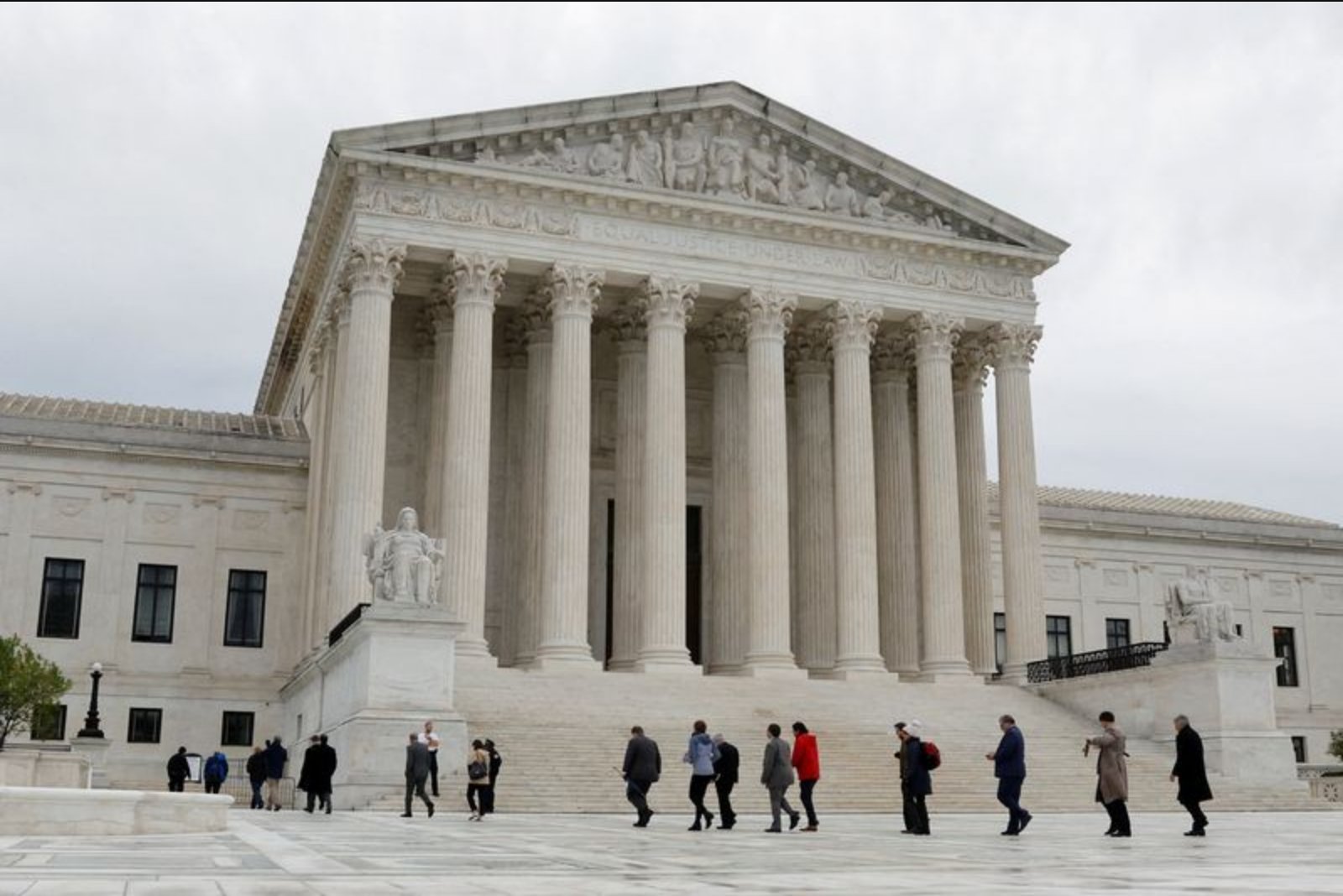
WASHINGTON, May 4 - The U.S. Supreme Court on Monday agreed to let a recent ruling that nullified a central element of the Voting Rights Act take effect ahead of the usual timetable. The court's procedural action followed a petition from a set of Louisiana plaintiffs who identified themselves in court documents as "non-African American."
The April 29 6-3 decision struck down a congressional map that had provided Louisiana with a second Black-majority U.S. congressional district and removed a key provision of the Voting Rights Act that had prohibited electoral plans likely to dilute the voting strength of minority communities. By allowing the judgment to issue sooner, the justices removed a timing barrier that could have been used to challenge subsequent steps by state officials.
Republicans in Louisiana, who view the change as advantageous to their congressional prospects, moved quickly after the court's action. Governor Jeff Landry declared an emergency and announced he would postpone the state's congressional primary elections that were scheduled for May 16. That postponement and the push for a new electoral map are explicitly tied to the ruling that altered the legal landscape around maps designed to protect minority voting power.
The governor's emergency declaration prompted legal challenges. Some plaintiffs in those suits contend that the governor overstepped his authority by invoking emergency powers at a time when, they argue, the Supreme Court's judgment had not yet taken effect. The earlier-than-usual issuance of the court's judgment was the result of the prevailing party's request for expedited entry of judgment - a procedural mechanism the court allows even though it ordinarily waits 32 days after a decision to permit the losing side an opportunity to seek a rehearing.
National political dynamics are also part of the context noted by parties involved. The decision and the subsequent state actions occur as Republicans aligned with former President Donald Trump work to retain control of the U.S. House and the U.S. Senate in the November elections.
At issue in the litigation and in the disputes that followed is both the timing of the Supreme Court's judgment and the authority of state officials to act on that judgment in real time. Legal challenges already filed raise questions about executive power at the state level and the procedural limits on implementing the court's decision.
Key developments:
- The Supreme Court allowed its April 29 ruling to take effect earlier than the typical 32-day waiting period.
- Governor Jeff Landry declared an emergency and postponed Louisiana's May 16 congressional primaries following the court action.
- Lawsuits have been filed challenging the governor's emergency declaration and authority to delay the primaries while the judgment's effect was contested.