
World May 4, 2026 01:57 PM

U.S. and Gulf States Draft U.N. Resolution Targeting Iran’s Actions in Strait of Hormuz

Diplomatic push focuses on halting mining, tolling and attacks on merchant vessels as Security Council negotiations begin

By Nina Shah
U.S. and Gulf States Draft U.N. Resolution Targeting Iran’s Actions in Strait of Hormuz

The United States, working with several Gulf Arab partners, has prepared a U.N. Security Council resolution that would condemn Iran for actions that have impeded navigation through the Strait of Hormuz. The draft, co-authored with Bahrain and shaped with input from Kuwait, Qatar, the UAE and Saudi Arabia, seeks to compel Iran to stop attacks on merchant shipping, end attempts to impose tolls and remove or reveal the locations of sea mines. Talks on the measure are scheduled for this week, following a month in which Russia and China blocked a previous U.N. effort.

Key Points

  • U.S. and Bahrain are co-drafting a Security Council resolution with input from Kuwait, Qatar, UAE and Saudi Arabia - impacts diplomatic relations and multilateral decision-making.
  • Resolution would demand Iran cease attacks on merchant shipping, halt attempts to impose tolls, and stop placing sea mines and disclose their locations - directly affects the shipping and international trade sectors.
  • Negotiations on the text are due this week after Russia and China blocked a broader resolution last month - introduces uncertainty in the Security Council's ability to act.

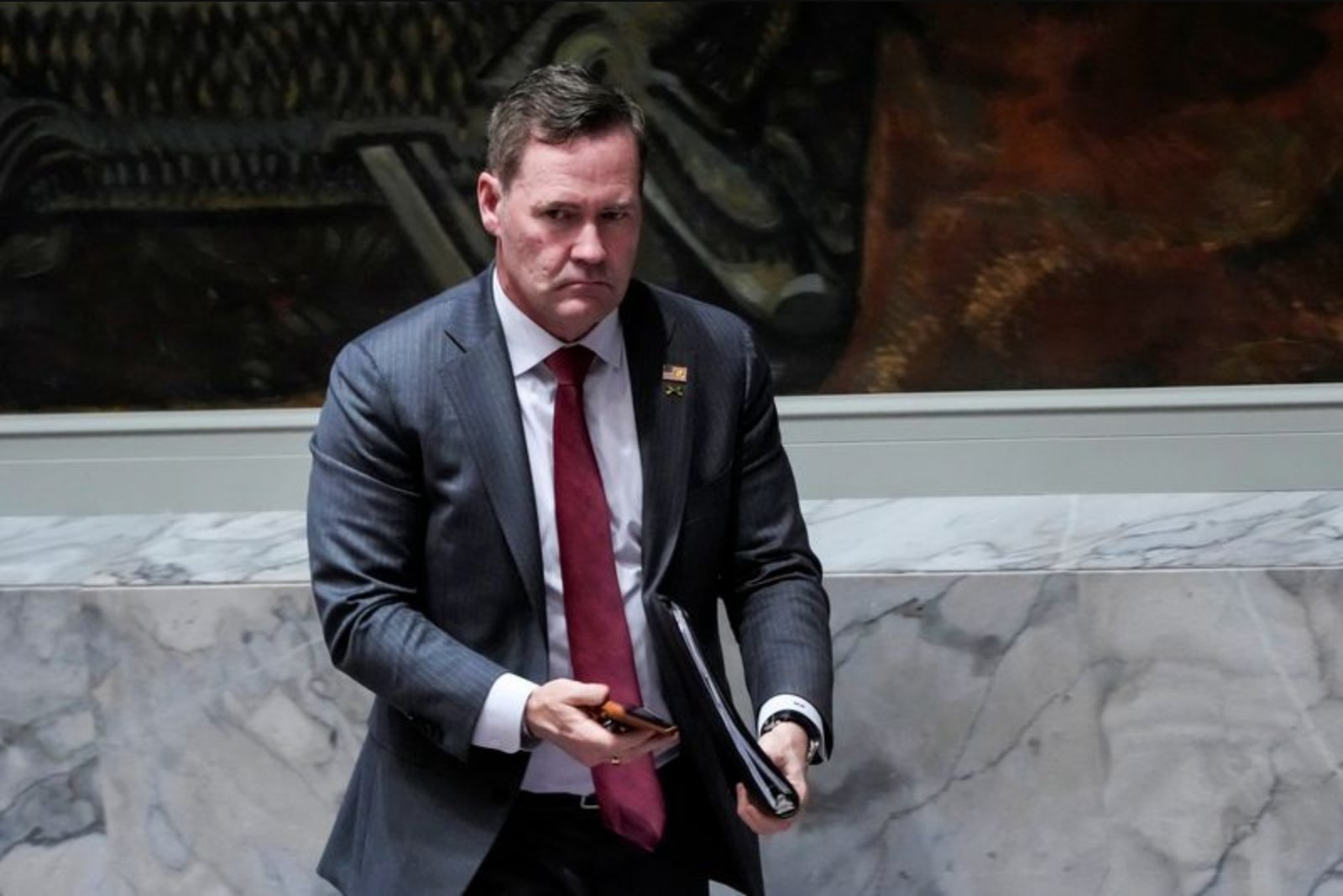
The United States and a group of Gulf Arab states are preparing a new U.N. Security Council resolution aimed squarely at Iran's recent efforts to obstruct passage through the Strait of Hormuz, U.S. Ambassador to the United Nations Mike Waltz said on Monday.

Waltz said the United States is co-drafting the resolution with Bahrain and has incorporated input from Kuwait, Qatar, the United Arab Emirates and Saudi Arabia. Negotiations on the text are expected to take place this week, he said.

The move follows a failed attempt last month to pass a broader resolution intended to restore freedom of navigation; that earlier measure was blocked by permanent council members Russia and China. The new proposal is narrower in scope, Waltz said, and is being advanced while a ceasefire with Iran is in place.

According to Waltz, the draft resolution would require Iran to stop attacks on merchant shipping and to desist from attempts to levy tolls on vessels transiting the strait. The measure would also demand that Iran cease placing sea mines in the waterway and disclose the locations of any mines that have been laid.

Waltz described the draft as a "narrower effort" than the prior failed text. He said the focus on mining of international waterways and on tolling is intended to address disruptions that affect "all of the economies of the world," singling out Asian economies as among those particularly impacted.

The initiative reflects a concerted diplomatic push by the United States together with several Gulf partners to concentrate Security Council attention on specific maritime security risks, rather than pursuing a broader resolution that faced opposition. With talks scheduled this week, the text and its prospects for adoption will depend on the course of negotiations among council members.


Key details at a glance

  • The United States is co-drafting the resolution with Bahrain, with input from Kuwait, Qatar, the UAE and Saudi Arabia.
  • The draft seeks to require Iran to stop attacking merchant shipping, to stop imposing tolls on passage, and to stop laying sea mines and disclose their locations.
  • Negotiations on the resolution are planned this week; a prior, broader resolution was blocked last month by Russia and China.

Risks

  • Uncertainty over Security Council approval given prior blocking by Russia and China - diplomatic and geopolitical risk affecting international policymaking.
  • Continuation or escalation of maritime interference such as mining or tolling would sustain disruptions to merchant shipping and global trade, particularly affecting economies with heavy reliance on maritime routes in Asia.
  • The outcome of negotiations this week is uncertain, leaving potential for ongoing interruptions to navigation that could influence market sentiment for sectors tied to shipping and trade.

More from World

U.S. Signals Move to Raise EU Auto Tariffs to 25%, Fuels Market Unease May 4, 2026 Renewed Drone Strikes Rock Khartoum as Airport Targeted May 4, 2026 Trump-family crypto venture sues Justin Sun, accusing backer of public smear and unauthorized token moves May 4, 2026 Trump’s Withdrawal of 5,000 U.S. Troops from Germany Underscores NATO’s Fragility May 4, 2026 Lebanon’s Top Shi'ite Leader Rejects Talks with Israel Until Fighting Ceases May 4, 2026