
World May 4, 2026 01:41 PM

U.S. Signals Move to Raise EU Auto Tariffs to 25%, Fuels Market Unease

Trade envoy says administration will press ahead with higher duties; European officials reject claim of non-compliance as carmakers’ shares fall

By Nina Shah
U.S. Signals Move to Raise EU Auto Tariffs to 25%, Fuels Market Unease

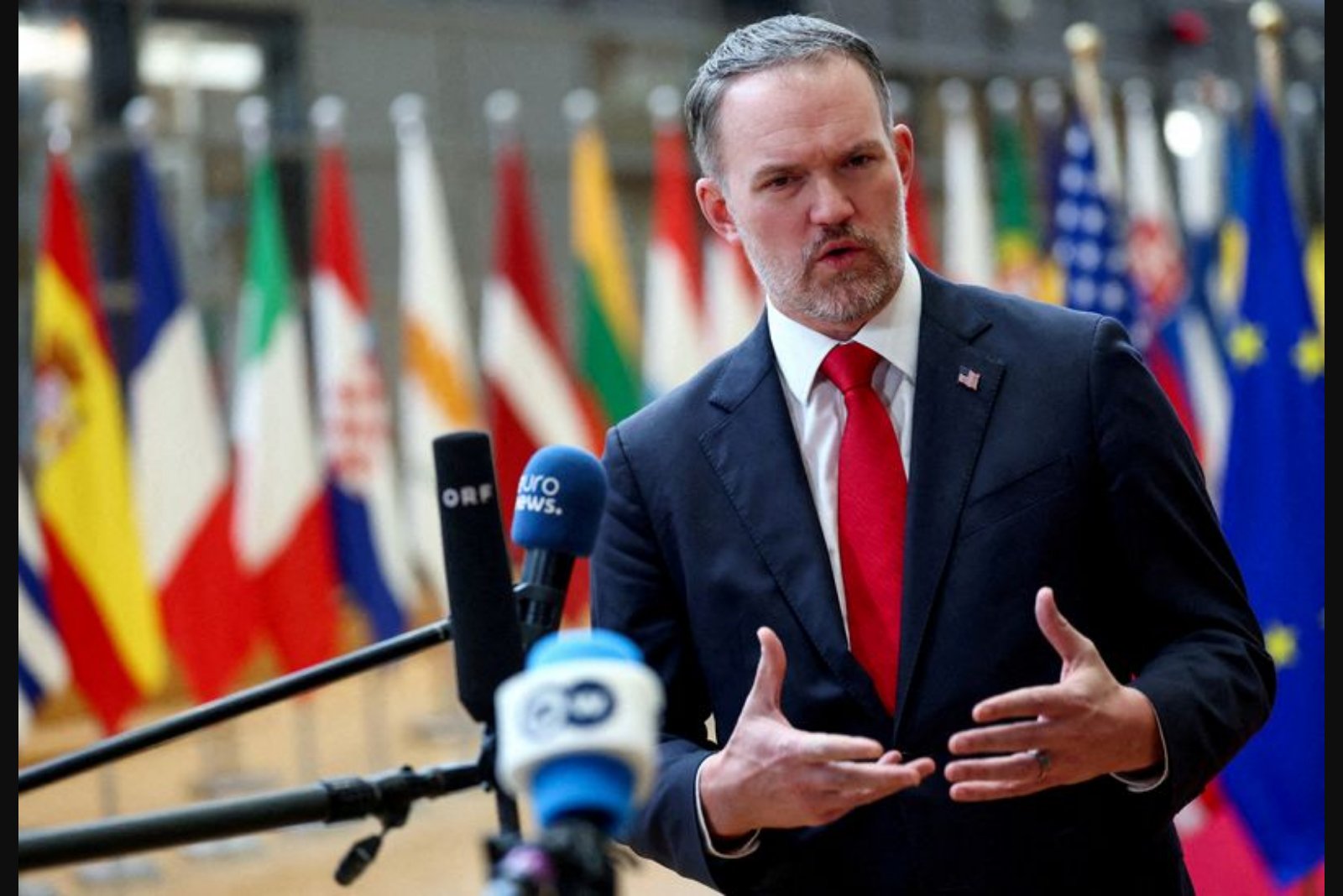
The U.S. Trade Representative informed European and German trade officials over the weekend that the administration intends to implement President Trump’s plan to raise tariffs on cars imported from the European Union to 25%. The announcement, made in an interview on CNBC, came as European officials disputed claims of non-compliance with a prior trade agreement and as shares of major German automakers and the broader autos index moved lower.

Key Points

  • U.S. Trade Representative Jamieson Greer told EU and German officials the U.S. will proceed with raising car import tariffs to 25%, and stated the president is moving forward with the action.
  • As of Monday at 1 p.m. ET the 25% tariff had not been officially adopted; previously the U.S. and EU had agreed to a net 15% duty under an August deal that followed a 25% global tariff imposed last year.
  • The announcement coincided with a market response: the pan-European automobiles and parts index was down 2.3% as of 10:46 GMT and major German automakers fell between 2% and 3%.

U.S. Trade Representative Jamieson Greer told European Union and German trade officials over the weekend that the United States will advance President Trump’s proposal to increase tariffs on EU car imports to 25%, Greer said in a Monday interview on CNBC.

"I was in contact with both European and German trade officials this weekend to help them understand why this was happening and remind them of all the conversations we’ve had about their compliance," Greer told CNBC. He added that he would continue those discussions but that "the president’s moving forward with this action."

When asked whether the tariff should be viewed as a temporary negotiating lever or a permanent shift in trade policy, Greer said: "It’s one part of the deal."

As of Monday at 1 p.m. ET, the new 25% tariff had not been officially adopted.

President Trump announced on Friday that he would raise tariffs on passenger cars from the European Union to 25% next week, up from a previously agreed level of 15%, saying the EU had not complied with its trade deal with Washington.

The European Commission rejected the assertion that Brussels had failed to comply with last summer’s agreement and said it would keep its options open to protect EU interests should Washington breach the terms of that deal.

The move to escalate duties came amid widening friction between the United States and the EU tied to the war in Iran and European countries’ refusal to send naval forces to keep the Strait of Hormuz open. Separately, the White House said on Friday it plans to remove 5,000 U.S. troops from Germany after German Chancellor Friedrich Merz said the U.S. was being "humiliated" by Iran in talks to end the conflict in the Middle East.

The administration last year applied a 25% tariff on global automotive imports under a national security trade law, then negotiated a separate agreement with the EU in August that reduced those duties to a net 15%, inclusive of prior levies.

Market reaction was swift. Shares in German automakers declined on Monday following the announcement of the tariff increase. The pan-European automobiles and parts index fell 2.3% as of 10:46 GMT, while individual stocks including Porsche, BMW, Mercedes-Benz and Volkswagen each dropped between 2% and 3%.

The public comments from the U.S. trade representative, the European Commission’s rejection of non-compliance claims, the related geopolitical tensions and the markets’ immediate reaction together underscore the multidimensional nature of the dispute. The situation remains fluid: the administration has signaled intent to move forward, but the new duties had not been formally enacted as of the stated time.

Risks

  • Uncertainty over formal adoption - the new 25% tariff had not been officially implemented as of Monday at 1 p.m. ET, leaving the timing and final scope of the measure unclear. (Impacted sectors: automotive industry, equity markets)
  • Potential trade retaliation or protective measures - the European Commission rejected claims of non-compliance and said it would keep options open to protect EU interests if Washington breaches the terms of the agreement. (Impacted sectors: trade relations, automotive exports)
  • Geopolitical tensions as a driver - the tariff escalation occurred amid strained U.S.-EU relations linked to the war in Iran, refusal by some European countries to send navies to the Strait of Hormuz, and U.S. plans to remove 5,000 troops from Germany, all of which add uncertainty to commercial and policy environments. (Impacted sectors: defense-related deployments, international trade)

More from World

U.S. and Gulf States Draft U.N. Resolution Targeting Iran’s Actions in Strait of Hormuz May 4, 2026 Renewed Drone Strikes Rock Khartoum as Airport Targeted May 4, 2026 Trump-family crypto venture sues Justin Sun, accusing backer of public smear and unauthorized token moves May 4, 2026 Trump’s Withdrawal of 5,000 U.S. Troops from Germany Underscores NATO’s Fragility May 4, 2026 Lebanon’s Top Shi'ite Leader Rejects Talks with Israel Until Fighting Ceases May 4, 2026