
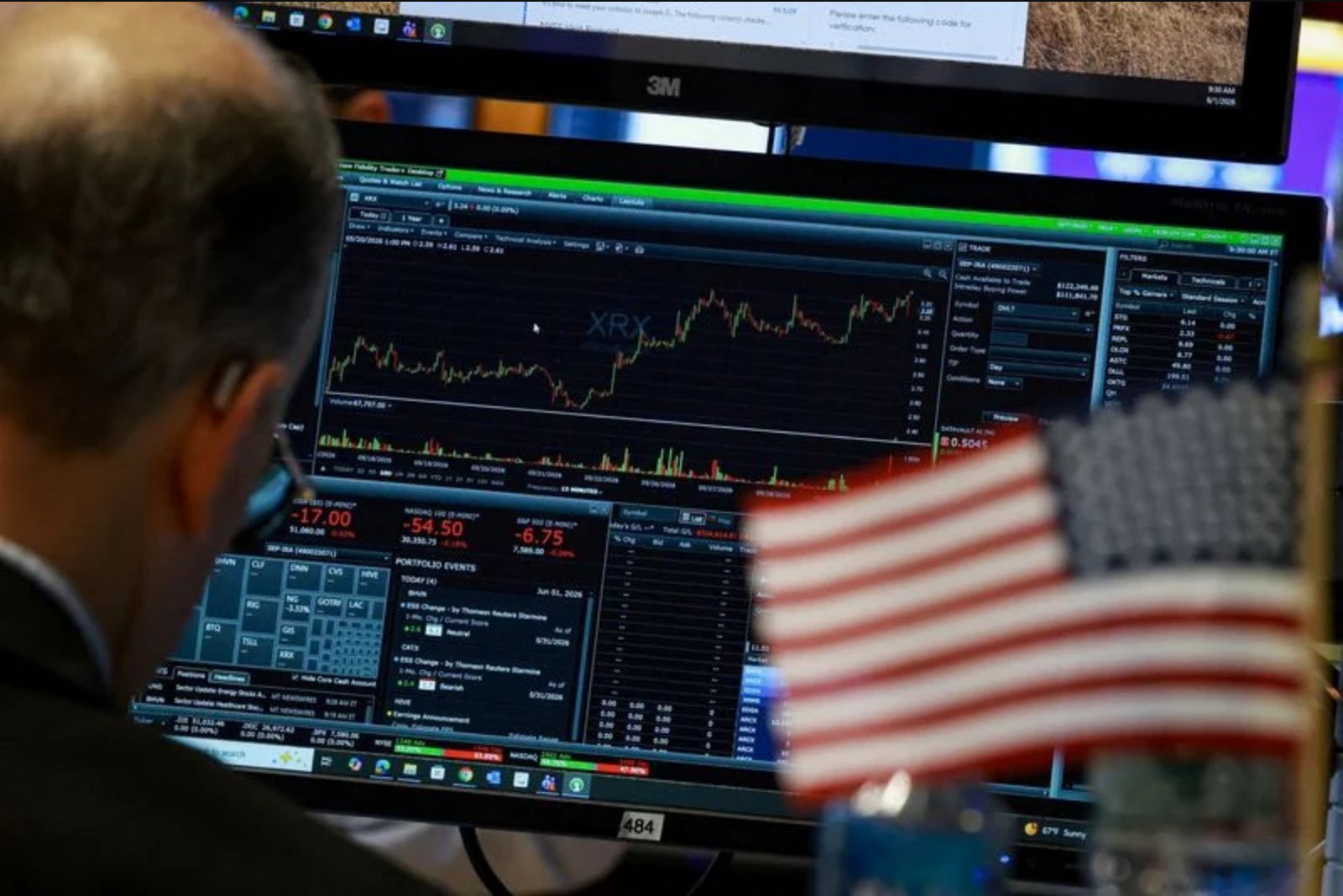
Asian financial markets registered a broad-based rally on Monday as equities and government bonds advanced. The move was driven by a diplomatic breakthrough involving the United States and Iran, which included an agreement to reopen the critical Strait of Hormuz and to lift a U.S. blockade previously imposed on Iran. The geopolitical de-escalation immediately impacted currency and commodity pricing, with U.S. crude oil futures dropping by more than 4%. Simultaneously, S&P 500 futures rose approximately 0.8%, reflecting improved risk sentiment. The U.S. dollar weakened significantly against a basket of major currencies, lifting the Japanese yen to 159.7 per dollar and pushing the euro to $1.1616.
Financial analysts suggest that the market reaction has been largely contained and anticipated, indicating that the broader financial systems had already begun pricing in this potential resolution. Jason Wong, Senior Markets Strategist at BNZ in Wellington, noted that the diplomatic outcome was widely expected, which explains why the immediate market volatility has been limited. Wong suggested that screens were displaying a market reaction that was already largely complete, signaling that the market is assuming a gradual return to normalcy. He described the agreement as a positive development that removes a significant risk overhang, allowing market participants to shift their focus back to underlying macroeconomic forces.
Looking ahead, Nick Twidale, Chief Market Strategist at ATFX Global in Sydney, outlined a trajectory for currency markets that anticipates a continued decline in the U.S. dollar over the coming sessions. Twidale projected that risk-sensitive currencies, specifically the Australian dollar and the Japanese yen, would likely appreciate modestly. However, he cautioned against expecting explosive moves, emphasizing that a "wait and see" approach will dominate as investors monitor the pace at which the Strait of Hormuz actually reopens. Twidale stressed that the restoration of normal oil flow volumes is a logistical challenge that will likely span months rather than weeks. He further noted that a rapid return to $70 per barrel for oil is not anticipated in the immediate term.
Similarly, Kristina Clifton, Senior Currency Strategist at the Commonwealth Bank of Australia in Sydney, reinforced the view that while the reopening of the Strait is beneficial for the global economy, the restart of full energy flows will be a delayed process. Clifton indicated that market attention will be fixed on the physical return of maritime traffic and the speed at which production capacity can be brought back online. She highlighted that energy prices are unlikely to revert to pre-conflict levels for a considerable period. Clifton emphasized that the normalization of traffic through the Strait will also require a significant amount of time to achieve fully.
Mahjabeen Zaman, Head of FX Research at ANZ in Sydney, observed that the positive diplomatic news had been factored into market pricing for some time, with markets inching forward as the positive sentiment became embedded. Zaman pointed out that while cyclical foreign exchange rates have room for upside from current levels, investors should be wary of potential volatility. Zaman suggested that oil prices might briefly break above the $80 mark driven by short-term optimism, but cautioned that markets may soon reassess the specific terms of the deal and determine they are not as lucrative as initially hoped. Furthermore, Zaman argued that oil prices will likely remain elevated for an extended period due to confirmed damage to critical infrastructure.
Chris Weston, Head of Research at Pepperstone in Melbourne, characterized the deal as credible and sufficient to allow the market to advance past the immediate geopolitical uncertainty. Weston highlighted that attention will now shift to the operational reality of ramping up cargo and logistics through the Hormuz channel, noting that there have been structural changes and physical damage to refineries that complicate recovery. Weston noted that risk assets will soon be driven by other fundamental factors, including the ramp-up of economic demand, corporate earnings reports, and central bank policy expectations scheduled for the upcoming week. He described the current trade dynamic as a move toward short volatility, which facilitates the return of risk appetite. Weston added that a further decline in long-end bond yields would be a highly positive development for equity risk.