
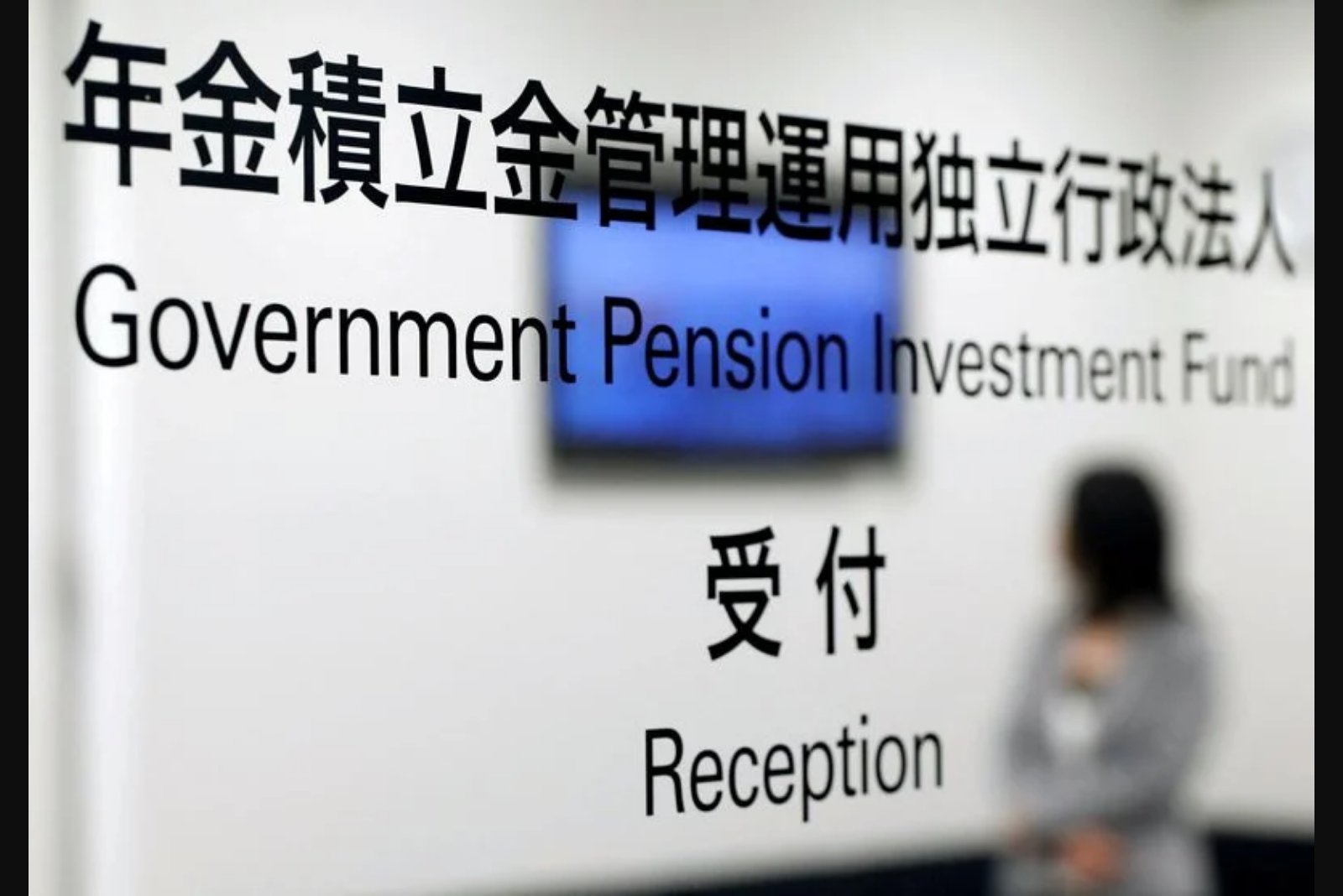
Markets reacted sharply to an offhand comment by Finance Minister Satsuki Katayama on the possibility of pension funds reorienting their portfolios toward domestic assets, with Japanese government bonds (JGBs) posting their largest rally in nearly two years and the yen recovering from levels near a 40-year low. Yet analysts cautioned that such a shift - if it occurs - would most likely be a drawn-out reallocation rather than a sudden liquidation that could unsettle global markets.
Japan is a major player in international finance, holding a record 561.75 trillion yen in foreign assets in 2025, ranking it third globally behind Germany and China. Roughly $930 billion of that pool is managed by the Government Pension Investment Fund (GPIF), and any material change at GPIF would probably be echoed across other Japanese pension and insurance funds.
Katayama did not set out specific policy changes for GPIF, and the fund declined to comment. People familiar with government discussions told Reuters there are no immediate plans to alter the asset allocations of state pension funds. Still, officials could use the leeway in existing allocation ranges to channel more capital back into Japanese assets without a formal overhaul of mandates.
Analysts argue history and operational constraints make a rapid, large-scale disposal of foreign bonds unlikely. Geoffrey Yu, senior EMEA market strategist at BNY, framed the finance minister's remarks as a "gentle nudge" to domestic institutional investors to favour Japan, adding that the mechanics of rebalancing typically involve letting maturing securities be reinvested at home rather than executing an aggressive sell-off abroad. "You just lower your allocations over time, and let’s absolutely not think about aggressively selling one into the other," he said. "The new flows coming in, instead of reinvesting in the prior market, you now invest in your home market. That is a slow process."
Any meaningful pivot also faces institutional timing. GPIF is not scheduled to conduct a strategic review until 2030, a timeline that suggests any formal change to its long-term mandate would not be imminent. Nevertheless, analysts estimate there is room within current targets for adjustments that could produce substantial flows. Goldman Sachs has suggested that reallocations inside existing bands could move about $80 billion from foreign bonds back into JGBs.
Over the decade through fiscal 2025, GPIF's net purchases of foreign bonds amounted to 34.10 trillion yen ($210.14 billion), outpacing its net Japanese debt purchases of 27.33 trillion yen ($168.42 billion), according to fund data. Goldman analysts noted that while such a reallocation would probably be gradual, the potential for meaningful flows does exist. They cautioned, however, that they have been sceptical that significant repatriation flows would materialise without a more favourable rate differential, particularly given GPIF's return targets.
Market size provides a buffer against shock sales. Paul Christopher, head of global investment strategy at Wells Fargo Investment Institute, pointed out that GPIF's holdings of less than $1 trillion in U.S. assets sit against about $35 trillion in stocks and bonds held by foreign investors as of mid-2025. "It looks like there are plenty of other investors, both in Japan and around the world, who might be willing to pick up those securities, especially if they’re being sold at a little bit of a discount," Christopher said. "The prospect of a trillion dollars being redirected back into the Japanese economy, that’s a very clear win for Japanese markets. I’m not so sure it’s even a short-term impact on U.S. markets."
Some regional exposures could be more sensitive. Jens Peter Soerensen, chief analyst at Danske Bank, flagged France’s bond market as relatively exposed because of Japan’s sizeable holdings there, although he did not expect outright sales. He said a reallocation that occurs through coupon flows, redemptions and dividends would be a slow-moving process and could exert modest downward pressure on the yen.
The finance minister's trial balloon arrives against a backdrop of elevated JGB yields related to fiscal pressures and the Bank of Japan's rate hikes, while extensive currency market intervention by Tokyo has not yet reversed yen weakness. Observers recalled a contrasting episode in 2014 when then-Prime Minister Shinzo Abe pressed GPIF to shift away from a conservative, bond-heavy allocation toward higher-return overseas assets - changes that took two years to push through.
Market participants emphasised the importance of managing expectations about pace and signalling. Tom Nakamura, head of fixed income and currencies at AGF Investments, warned that one risk would be the degree and speed of what is communicated. "One of the concerns would be how much would be signalled and at what pace," he said. "And I think the risk is that markets price in the full move immediately, which could be quite disruptive."
Policy-makers, for their part, are unlikely to want to precipitate the kind of abrupt market unwinding seen in August 2024, when a surprisingly hawkish Bank of Japan and worries about a U.S. recession sparked a rapid unwinding of yen-funded carry trades and a flash crash in Japanese stocks. The suggestion of directing pension capital homewards, even if only partly implemented, adds another lever for Tokyo to influence currency levels alongside rate hikes and intervention.
How forcefully Prime Minister Sanae Takaichi and Finance Minister Katayama push domestic institutional investors to increase allocations to Japan remains unclear. Joel Kruger, a market strategist at LMAX Group, said the details of any changes will determine the durability of support for the yen: "Those details will determine whether this proves to be a lasting structural support for the yen or simply a short-term trigger for position adjustment."
For now, U.S. Treasuries and other global debt markets have largely shrugged off the comment, indicating investors view a sudden, large-scale reduction in Japan's overseas bond holdings as improbable. Analysts broadly expect any reorientation of Japan’s retirement assets to occur via slower channels - adjusting reinvestments of maturing bonds, letting future inflows be diverted, and shifting allocations over time - rather than by executing mass sell orders that would roil international markets.
Summary: A remark from Japan's finance minister about nudging pension funds to favour domestic assets triggered a strong move in JGBs and the yen, but analysts say any rebalancing of the Government Pension Investment Fund and other retirement vehicles would most likely be gradual. Changes would probably come through reinvestment decisions and redemptions rather than wholesale sales, and GPIF is not due for a strategic review until 2030. Estimates suggest reallocations within current bands could shift about $80 billion from foreign bonds to JGBs, but market scale and structural constraints reduce the likelihood of immediate global disruption.
Key points:
- Katayama's comment sparked the largest JGB rally in nearly two years and a recovery in the yen from near a 40-year low.
- Japan held a record 561.75 trillion yen in foreign assets in 2025, with about $930 billion at GPIF; GPIF is not scheduled for a strategic review until 2030.
- Analysts expect reallocations to occur slowly via reinvestment of maturing securities and within existing allocation bands, with Goldman Sachs estimating a potential $80 billion shift from foreign bonds to JGBs if adjustments are made within targets.
Risks and uncertainties:
- Markets could prematurely price in a full-scale reallocation if signalling about pace and scope is unclear, risking disruptive repricing in bond and currency markets - impacting fixed income and FX markets.
- Certain regional bond markets, such as France's, might be more exposed to Japanese holdings and could feel disproportionate effects from gradual reallocations - affecting European sovereign debt spreads.
- Policymakers face the challenge of reining in yen weakness without triggering abrupt market moves, especially given past episodes of rapid unwinding in carry trades and equity flash crashes - posing risks for Japanese equities and currency-linked strategies.