
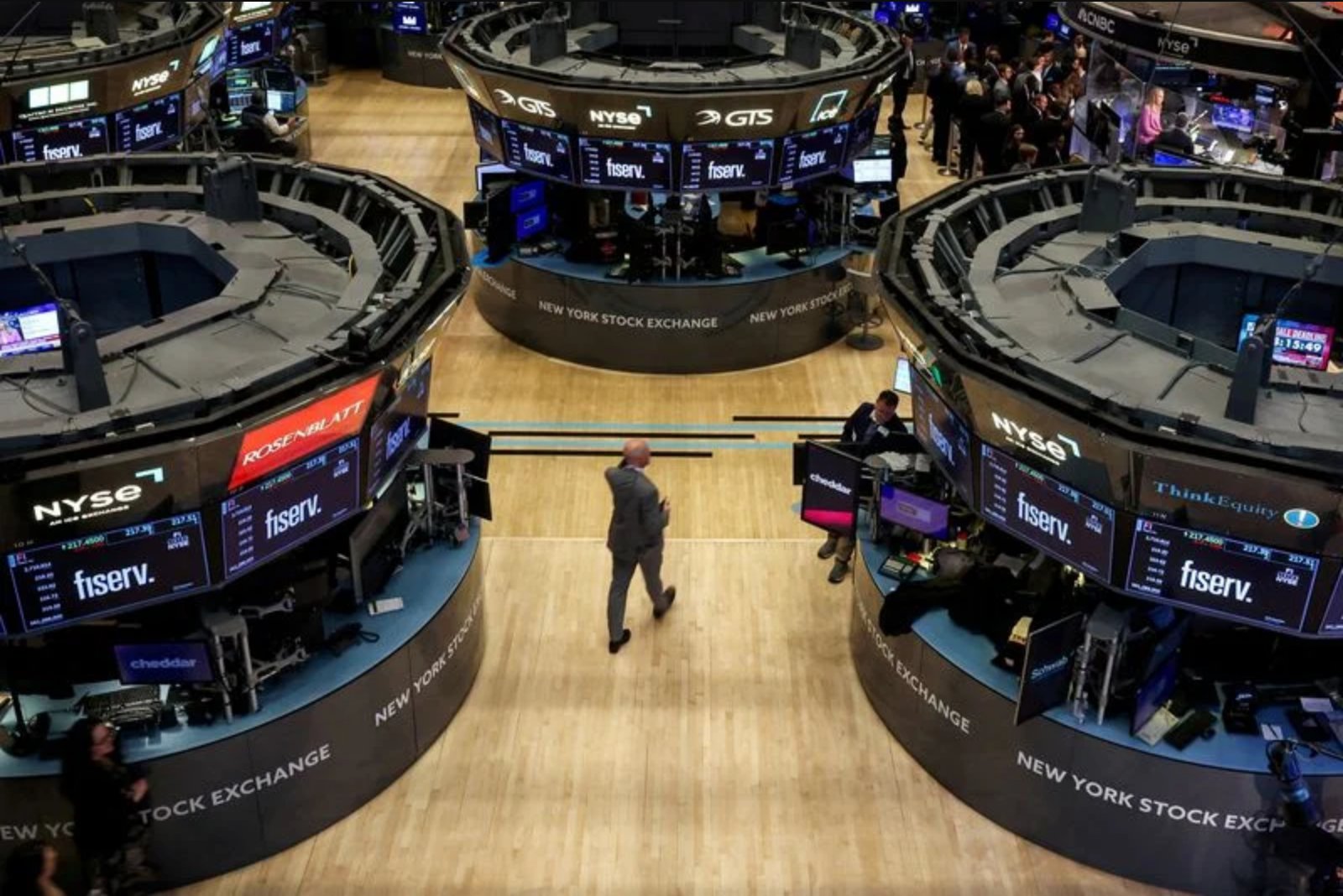
U.S. markets are heading into a concentrated stretch of economic reports, corporate earnings and geopolitical headlines that could reshape expectations for interest rates and corporate performance. The S&P 500 has managed a second straight weekly advance, leaving the benchmark more than 10% higher for the year and under 1% away from its early-June closing record, even as volatility has appeared within key sectors.
Index-level resilience has masked pronounced swings among market leaders, particularly semiconductor names, and a renewed escalation in tensions between U.S. forces and Iran has returned the regional conflict - now in its fourth month - to the front of investor concerns. That flare-up has also pushed energy-market risks back onto investors' radars.
Market backdrop and investor concerns
Several forces converge this week: geopolitical developments in the Middle East, the commencement of the second-quarter corporate reporting season, important inflation data and lingering skepticism about the concentration of gains in AI-related trades. Michael Reynolds, vice president of investment strategy at Glenmede, captured the scene by noting that multiple crosscurrents appear to be coming together at once, creating a complex environment for market participants.
Oil and Iran - renewed focus
Oil has returned to the spotlight after attacks that raised worries about shipping routes and global supply. Brent crude traded around $76 a barrel, notably below the roughly $100 level seen earlier this year that analysts view as a more systemic concern for markets. Still, investors told market watchers they will closely monitor ongoing developments involving Iran, any implications for shipping and any broadening of the conflict in the region.
"It’s a very difficult environment to make strategic investment calls when the situation ... in Iran is so fluid," said King Lip, chief strategist at BakerAvenue Wealth Management in San Francisco.
Some strategists say the recent retreat in oil prices could lessen the pressure on global central banks to hike rates further. Macquarie strategists observed that oil's path may influence the urgency of potential rate moves by major central banks, and for the U.S. Federal Reserve in particular could affect whether a next rate increase occurs in September or October.
Inflation releases and the Fed's rate path
Investors will be parsing June's consumer price index, due Tuesday, for fresh clues about inflationary momentum and how energy price changes are working through broader consumer prices. Market attention will concentrate on core CPI - which excludes energy - to judge whether recent oil moves are filtering into wider price pressures.
Anthony Saglimbene, chief market strategist at Ameriprise, warned that hotter inflation readings or signs that inflation will remain elevated in coming months could increase the odds of another rate hike before year-end.
Following the CPI, the producer price index is scheduled to be released one day later, with monthly retail sales coming on Thursday to provide a read on consumer spending. Higher interest rates can weigh on equities by increasing borrowing costs for both households and businesses.
Investors have already adjusted expectations for policy after a surprisingly hawkish Federal Reserve meeting last month - the first chaired by Kevin Warsh - with minutes released this week showing policymakers' growing concerns about inflation. Warsh is slated to give his first congressional testimony on monetary policy next week, an event that may further influence perceptions of the Fed's near-term stance.
Q2 earnings kick off with major banks
The second-quarter reporting season formally begins with major banks, and JPMorgan Chase and Goldman Sachs are both scheduled to publish results on Tuesday. Bank earnings will be watched for signals about consumer health - notably through credit-card trends - and broader credit conditions.
If large lenders deliver sturdy results and constructive outlooks, it would support the view that the broader economy and the operating environment for businesses and consumers held up reasonably well in the second quarter, according to market strategists.
Beyond the banks, a number of high-profile companies are also set to report next week, including Netflix, BlackRock and Johnson & Johnson. On aggregate, S&P 500 earnings are expected to rise 23.7% in the second quarter compared with a year earlier, based on LSEG IBES estimates.
Glenmede's Reynolds described the quarter ahead as one where many companies will need to deliver strong results to meet elevated market expectations.
Where attention will be focused
- Geopolitical updates related to Iran and any impact on shipping or energy supplies.
- Tuesday's CPI print and the subsequent PPI release, plus Thursday's retail sales figure as a gauge of household demand.
- Quarterly reports from major banks and select large-cap companies that could set the tone for earnings season.
Together, these items create a condensed series of catalysts that could shift rate expectations, reprice risk across sectors and reveal more about the depth of consumer and corporate resilience.