
TOKYO, July 12 - A group of 14 countries publicly reiterated that China’s expansive maritime assertions in the South China Sea do not stand on legal ground, marking the tenth anniversary of a major arbitration ruling. The joint statement, issued on Sunday, reaffirmed the 2016 decision by an Arbitral Tribunal that found the Philippines’ case meritorious and concluded China’s sweeping claim had no basis under international law.
The statement said: "We reaffirm that the award rendered ten years ago by the Arbitral Tribunal is a significant milestone and is final, legally binding, and definitive between China and the Philippines." It repeated the legal status of the award as viewed by the signatories and underscored their collective stance on the ruling’s continued validity.
Signatories named in the declaration include Japan, the Philippines and the United States, together with Australia, Britain, Canada, Estonia, Germany, Italy, Latvia, Lithuania, New Zealand, Romania and Slovenia. The coalition used the anniversary to restate the legal conclusion reached in the arbitration.
The Philippines secured the 2016 ruling at the Permanent Court of Arbitration, a case that found against China’s broad territorial claims in the disputed waters. Beijing has consistently rejected that outcome.
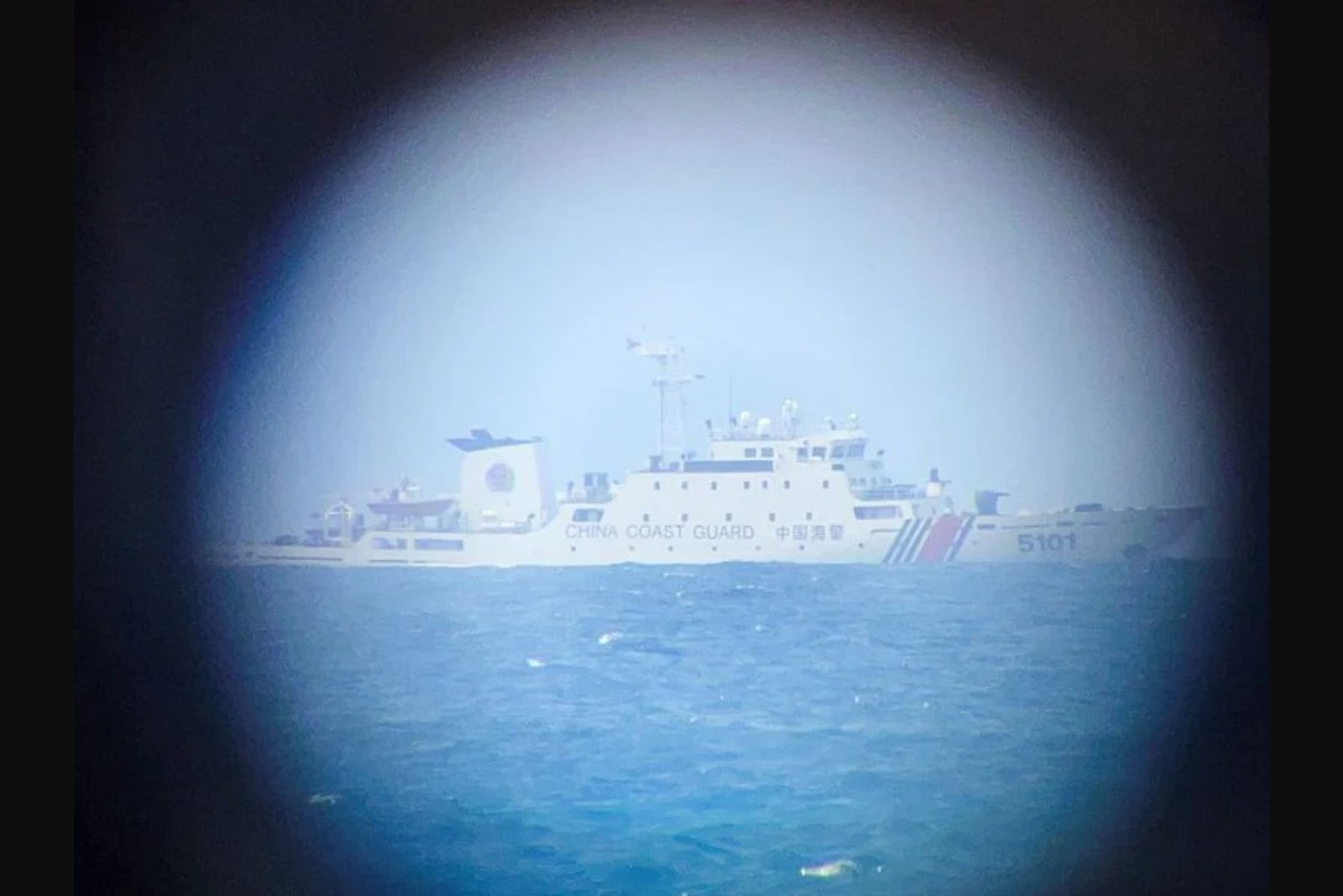
The joint statement also made reference to a pattern of maritime incidents between Manila and Beijing in recent years. The Philippines has accused Chinese vessels of "dangerous manoeuvres" within what Manila considers its exclusive economic zone. Among the cited incidents are the use of water cannons and interference with resupply missions to Philippine-held features, actions that have contributed to heightened tensions at sea.
By issuing the joint declaration, the 14 governments reiterated their interpretation of the tribunal’s award and highlighted ongoing operational frictions in the maritime space. The statement serves as both a legal reaffirmation and a diplomatic signal regarding conduct around disputed features and zones.
Key developments
- The 2016 arbitral award finds China’s broad South China Sea claims have no legal basis.
- Fourteen countries, including Japan, the Philippines and the United States, reaffirmed the award’s final and binding nature on its tenth anniversary.
- Maritime confrontations continue, with Manila accusing Beijing of dangerous manoeuvres and interference with resupply missions.
Context and implications
The reaffirmation underscores persistent legal disagreement between China and the group of signatories, and it highlights continuing operational issues at sea that affect resupply operations and maritime activities within contested zones.