
Economy July 12, 2026 12:24 AM

Japan to Press Its Giant Pension Fund to Raise Weighting in Alternative and Domestic Assets

Government panel expected to push unlisted equities, real estate and other alternatives closer to the 5% limit for the $1.8 trillion GPIF

By Nina Shah
Share
Twitter Reddit Facebook LinkedIn

A government effort is underway to increase the allocation to unlisted shares, real estate and other alternative investments in the portfolio of the Government Pension Investment Fund (GPIF). The move, which follows comments by Finance Minister Satsuki Katayama favoring greater domestic asset exposure, has already moved currency and bond markets. A panel is preparing a report that would lift the ratio toward the permitted 5% cap from the roughly 1.7% recorded in March.

Japan to Press Its Giant Pension Fund to Raise Weighting in Alternative and Domestic Assets
Summarize with
ChatGPT Perplexity Claude Grok Gemini

Key Points

  • Japan is seeking to increase the GPIF's exposure to unlisted shares, real estate and other alternative investments.
  • Finance Minister Satsuki Katayama's call for larger domestic allocations helped move the yen and government bond prices.
  • Alternative assets were 1.7% of GPIF holdings in March, with a current regulatory cap at 5%; a government panel will propose raising the ratio toward that cap.

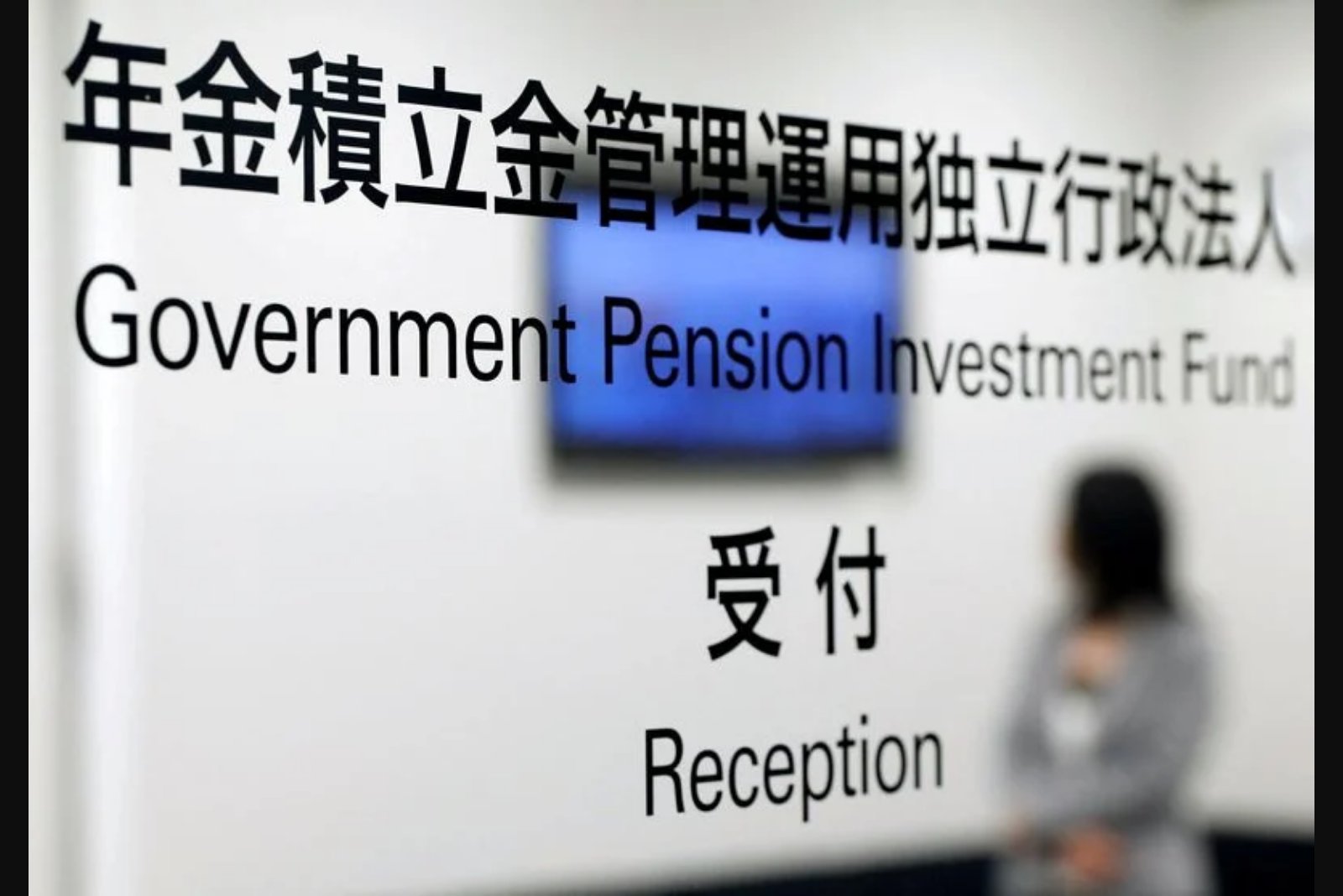
Japan is preparing to press its Government Pension Investment Fund (GPIF), the world's largest pension fund with about $1.8 trillion in assets, to raise the proportion of unlisted shares, real estate and other alternative investments held in its portfolio.

The initiative follows comments by Finance Minister Satsuki Katayama, who has been advocating measures to support the weak yen. Katayama said the government aimed to steer the GPIF and other state pension funds to "substantially" increase investments in domestic assets - remarks that contributed to a sharp move in the currency and government bond prices on Friday.

Alternative investments - defined here as asset types distinct from traditional listed equities and bonds - comprised just 1.7% of GPIF's holdings as of March, well under the 5% ceiling currently permitted for such allocations.

According to a business daily, a government panel will shortly produce a report that specifies raising the ratio toward the 5% cap. The stated purpose of the adjustment is to broaden the pension fund's investment universe and to reduce overall portfolio risk, the report said, without naming its information source.

Officials from the Ministry of Health, Labour and Welfare, which has oversight responsibility for GPIF, were not available for comment outside regular business hours, the report added.


Market reaction

Public remarks by the finance minister calling for a material shift toward domestic holdings prompted immediate responses in financial markets, with both the yen and Japanese government bonds reacting on the day the comments were made.


Context and intent

The prospective change targets assets such as unlisted equity stakes and real estate rather than conventional listed shares and fixed income. The move to push allocations closer to the 5% limit is described by the panel as a way to diversify the GPIF's asset mix and to help mitigate concentrated exposures within the portfolio.

The detailed recommendations and any subsequent policy steps will depend on the panel's final report and any decisions taken by the government and GPIF's overseers.

Risks

  • Market reaction risk - public calls for reallocation have already influenced currency and government bond prices, creating near-term market volatility.
  • Implementation uncertainty - the planned rise toward the 5% limit depends on the panel's report and subsequent decisions by the Ministry of Health, Labour and Welfare and GPIF.
  • Concentration and liquidity risk - increasing allocations to unlisted shares and real estate may alter liquidity characteristics of the pension fund's portfolio and affect financial sectors tied to domestic assets.

More from Economy

Geopolitical Frictions Are Forcing Investors to Rethink Traditional Portfolios Jul 12, 2026 Japan to reallocate $1.8 trillion pension fund toward more alternative assets Jul 12, 2026 CIBC: AI Investment Is Adding to U.S. Inflation, Not Cutting It Jul 12, 2026 USPS Increases First-Class Stamp to 82 Cents Amid Ongoing Financial Strain Jul 11, 2026 Citi: Hidden fiscal tightening worsened China's Q2 slowdown Jul 11, 2026