
Morgan Stanley reiterated an Overweight rating and set a HK$45 price target on Xiaomi, arguing the company stands to be one of the main beneficiaries from the expansion of China’s AI-enabled home appliance market.
Analysts at the brokerage forecast the AI home appliance market in China will climb from approximately $123 billion today to around $150 billion by 2030. Rising penetration of connected devices and increasing average selling prices are cited as the key forces behind that expansion. Against that backdrop, Morgan Stanley projected Xiaomi’s domestic AI home appliance revenue could exceed RMB200 billion by 2035, and suggested the company’s overseas revenue has potential to top that same threshold.
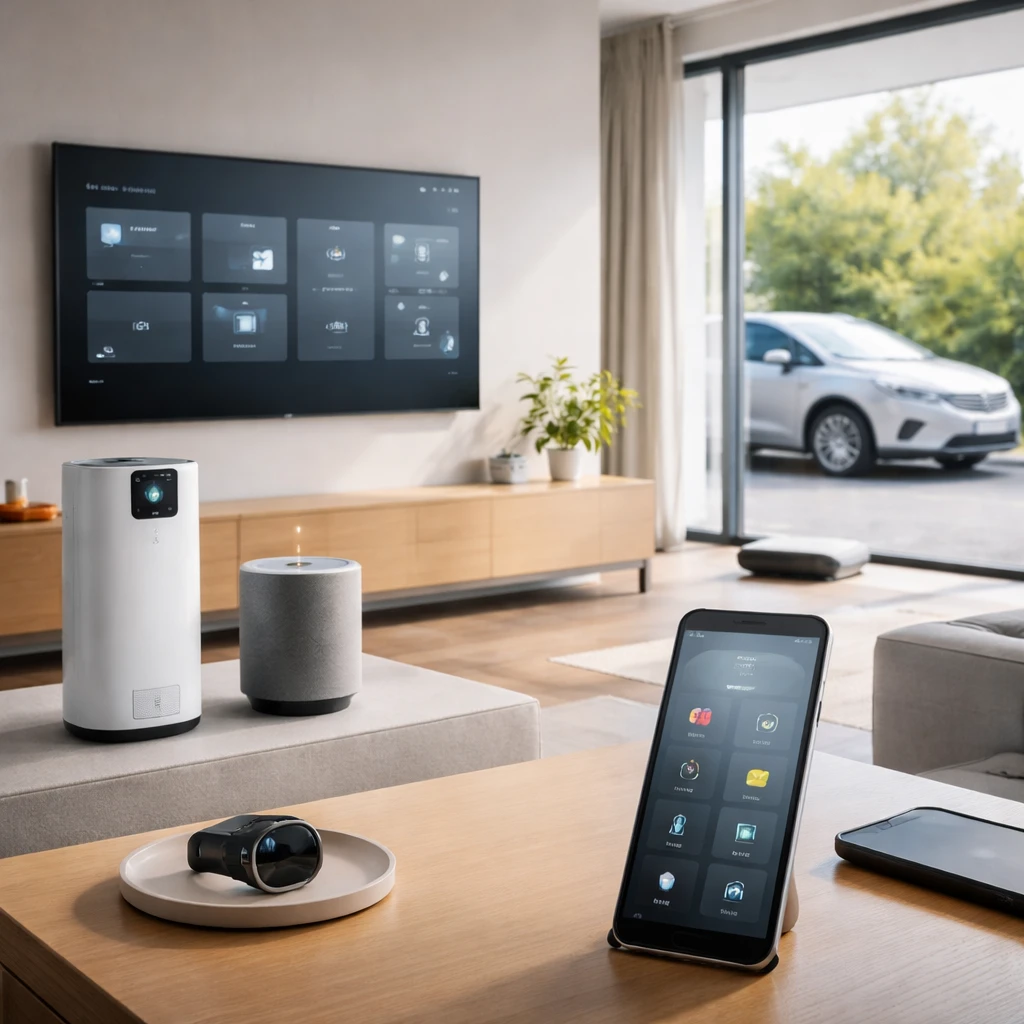
Central to Morgan Stanley’s positive view is Xiaomi’s broad product ecosystem. The report highlights the company’s lineup of smartphones, wearables, televisions, household appliances and electric vehicles as creating a foundation for consumers to adopt interconnected AI-capable devices via Xiaomi’s HyperOS platform. That integrated approach, the analysts argue, makes it easier to bundle devices and raise per-customer spending by linking multiple products into a unified user experience.
The note also emphasized Xiaomi’s expanding global installed base. With more than one billion connected devices in the field and a growing monthly active user base, Morgan Stanley said the company has significant opportunities to cross-sell products and deepen engagement across its ecosystem.
Morgan Stanley pointed to Xiaomi’s "Human + Car + Home" strategy as a means to generate further synergy between product categories and to reinforce the company’s competitive position relative to traditional appliance makers. The brokerage also sees international expansion as an additional channel for sustained revenue growth over time.
Beyond hardware, the report argued that market participants continue to underappreciate Xiaomi’s AI-related software investments. Ongoing development of proprietary large language models, AI agents and other software capabilities is identified as a potential valuation catalyst, with Morgan Stanley saying these investments could become a more material driver of value if earnings growth accelerates through 2027 and 2028. Software-led differentiation is expected to support premium pricing and profitability for Xiaomi’s products.
Near-term cost pressures were addressed as well. The analysts acknowledged rising memory chip costs but characterized them as manageable, noting management has outlined countermeasures that include price increases and improvements in product mix. The report added that cost headwinds are expected to ease in the second half of 2026.
Overall takeaway: Morgan Stanley’s research frames Xiaomi as a leading candidate to benefit from the transition to AI-enabled home appliances through a combination of a wide device portfolio, a large installed base, increasing software capabilities and an international growth pathway, while short-term margin pressure from memory costs is being managed with actions that are anticipated to provide relief by H2 2026.