
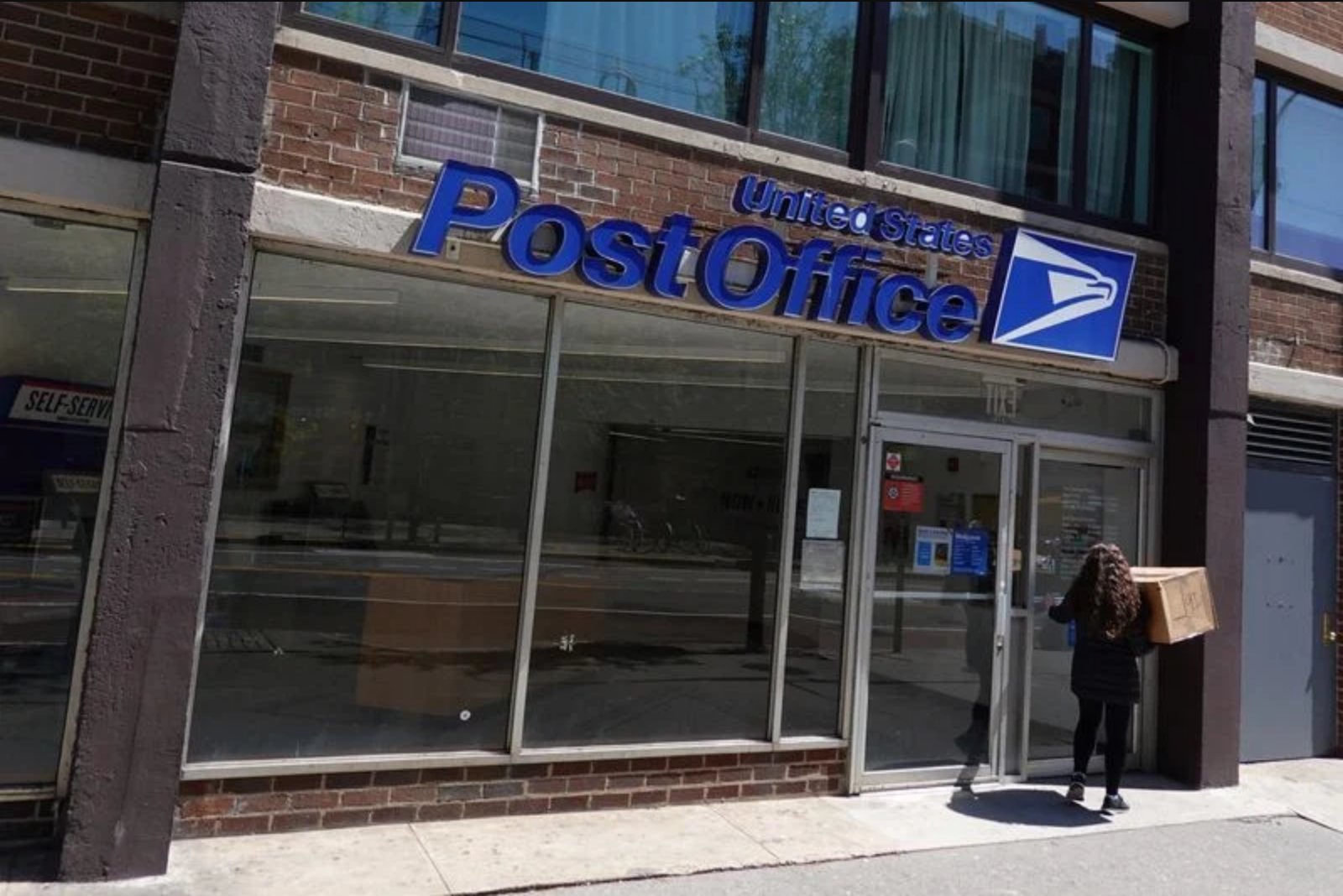
The U.S. Postal Service will increase the price of a first-class postage stamp to 82 cents from 78 cents, with the new rate taking effect on Sunday. The change follows an April announcement by the agency that its mailing costs would climb by 4.8%.
Postal leadership has framed the rate adjustment as part of a broader effort to stabilize the agency's finances. The Postal Service has warned it could run out of cash early next year. U.S. Postmaster General David Steiner told Congress last month that the agency has accumulated about $120 billion in net losses since 2007 and described its underlying business model as broken. He told lawmakers the agency needs help from Congress to restore financial health and turn around operations.
Declining volumes of first-class mail are a central element of the agency's revenue challenge. The volume of first-class mail - historically the Postal Service's most profitable product - has fallen to levels not seen since the 1960s as communication has increasingly migrated to digital platforms. At the same time, the agency must continue to operate and fund a nationwide delivery network that carries fixed and often substantial costs.
Speaking to policymakers, Steiner said he believes consumers would tolerate higher postage rates, suggesting Americans might be willing to pay between 90 and 95 cents per letter. He contrasted that view with postage in much of the rest of the world, where he said prices exceed $2 in many cases.
Summary of the change:
- New first-class stamp price: 82 cents, up from 78 cents.
- Effective date: Sunday.
- Previously announced: a 4.8% rise in mailing costs in April.
The Postal Service's combination of sustained net losses, falling first-class volume and the requirement to maintain an extensive delivery network frame the context for this rate decision. Postal leadership has pressed for legislative support as part of efforts to address cash-flow pressures and structural challenges within the agency.