
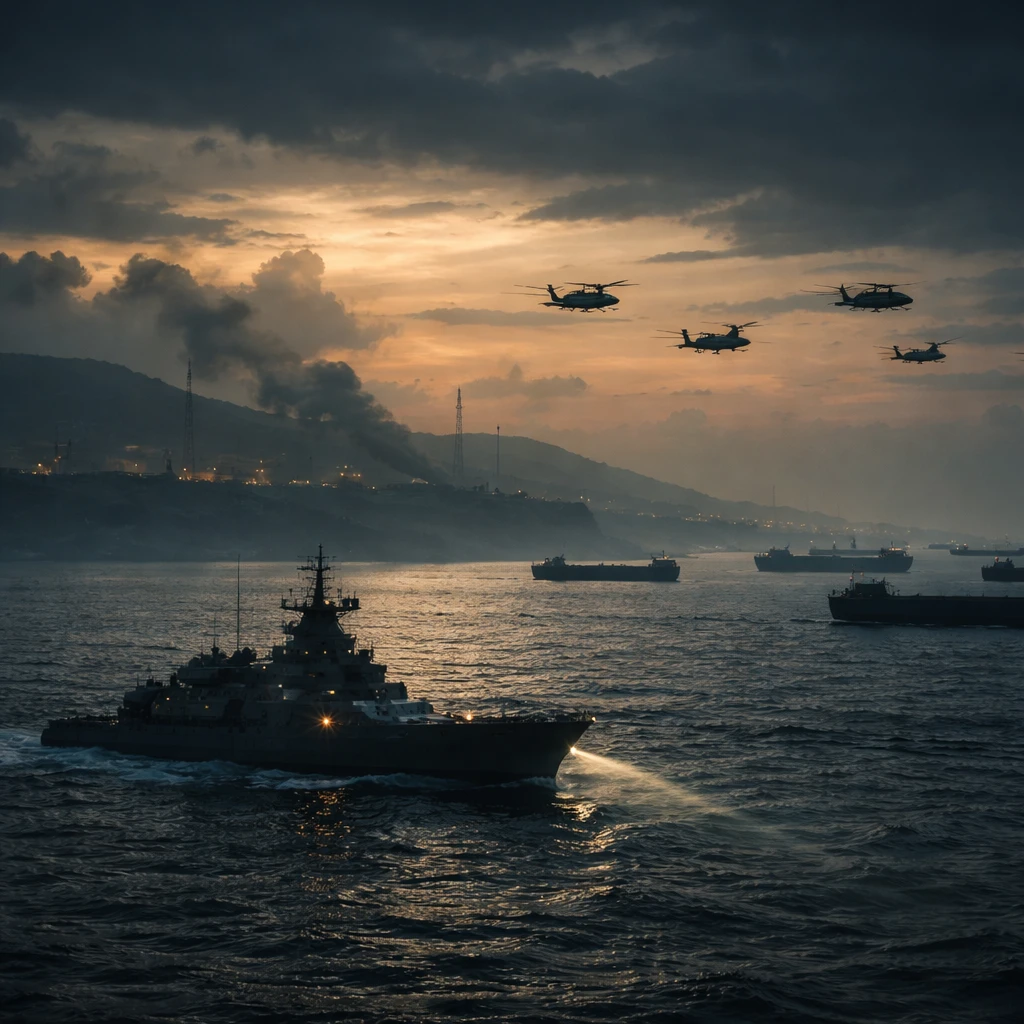
President Donald Trump used his Truth Social platform to issue a stark warning to Iran, stating that 1,000 missiles were "locked and loaded" and aimed at the Islamic Republic, and that "thousands more" would follow if Tehran acted on threats to assassinate him. In the post, he added: "Orders have already been given, and the U.S. Military is ready, willing, and able... to completely decimate and destroy all areas of Iran."
Those remarks came as Washington stepped up pressure on Tehran across diplomatic and military channels. U.S. officials have publicly insisted that Iran must make clear commitments to keep the Strait of Hormuz open and to stop attacks on commercial shipping before wider negotiations over Iran's nuclear programme can advance.
Iranian Foreign Minister Abbas Araghchi pushed back, accusing the United States of breaching last month’s memorandum of understanding after the U.S. imposed fresh sanctions. Araghchi said that any future diplomacy would require "mutual compliance." Parliament Speaker Mohammad Bagher Ghalibaf also warned that Iran was ready for "full-scale defence" if the U.S. violated the agreement.
Diplomatic engagement continued despite the heightened rhetoric. Araghchi arrived in Oman for talks, and both Qatar and Pakistan remained involved in efforts to preserve the fragile ceasefire and keep negotiations alive.
At the same time, U.S. military involvement expanded in nearby Lebanon. A delegation from U.S. Central Command reached Beirut ahead of technical talks scheduled between Lebanon and Israel in Rome next week. Those officials are expected to discuss implementing a U.S.-brokered agreement that envisions a phased Israeli withdrawal from southern Lebanon, and U.S. officials said the first pilot withdrawal zone could be launched within days.
The security environment in the region stayed tense. Israeli forces carried out additional air strikes in southern Lebanon and reported that Hezbollah members were killed inside a designated security zone.
Commercial shipping through the Strait of Hormuz remained well below normal levels, according to ship-tracking data, underscoring persistent risks to global energy markets even as diplomatic contacts continued. The combination of public threats, reciprocal accusations over compliance with agreements, and concurrent diplomatic and military activity has left regional stability fragile.
Key context and developments:
- President Trump issued a public warning naming a specific force level - "1,000 missiles" - and signalled readiness to escalate if assassination threats materialize.
- U.S. demands for Iranian commitments on the Strait of Hormuz and an end to attacks on commercial shipping are conditions for advancing broader nuclear negotiations.
- Diplomatic channels remain active: Iranian officials travelled to Oman, and Qatar and Pakistan continued engagement, even as the U.S. broadened its military role in Lebanon in support of a phased withdrawal plan for Israeli forces.