
Egypt's current account deficit widened sharply in the first quarter of 2026, reaching $5.1 billion compared with $2.3 billion in the same period of 2025, according to central bank data released today.
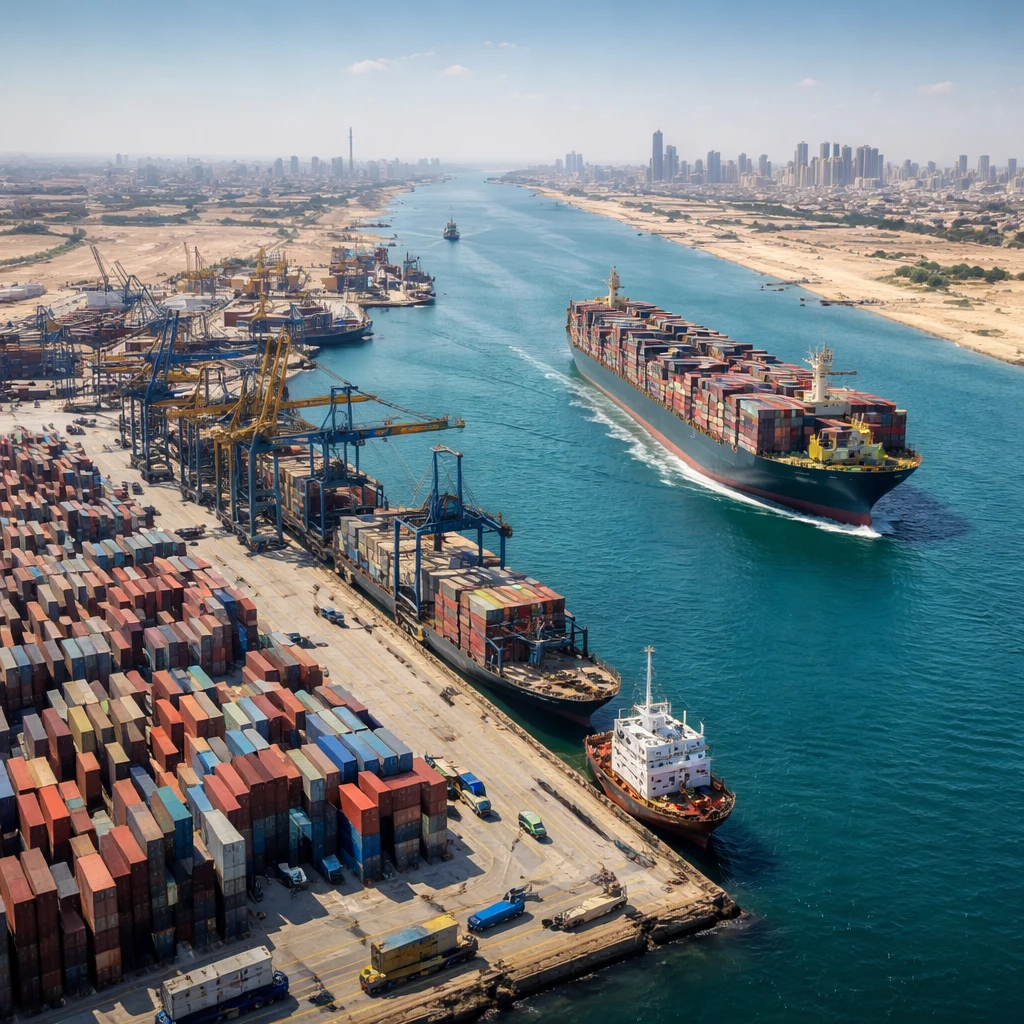
The central bank attributed the larger deficit primarily to a bigger merchandise trade gap. That deterioration was partly offset by higher inflows from remittances, elevated tourism receipts and increased Suez Canal revenues, the data showed.
Net foreign direct investment inflows registered a small decline year-on-year, coming in at $3.7 billion for the quarter versus $3.8 billion in Q1 2025.
Major flows reported for the quarter
- Remittances from Egyptians working abroad rose to $12.8 billion, up from $9.3 billion in the first quarter of 2025.
- Tourism receipts increased to $4.2 billion from $3.8 billion a year earlier.
- Suez Canal revenues were reported at $1.0 billion, compared with $0.8 billion in the year-earlier quarter.
- Oil import payments climbed to $5.7 billion, from $4.8 billion in Q1 2025, while oil export receipts increased to $1.6 billion from $1.2 billion over the same interval.
The central bank's release highlights that while several service and transfer-related inflows strengthened during the period, they were insufficient to counterbalance a larger merchandise deficit. The figures show a persistent reliance on workers' remittances, tourism revenue and canal receipts to help narrow the external financing gap.
Net FDI flows remained near the prior year's level, dipping only slightly. The data do not detail sectoral composition of these investment flows, but the headline number indicates relatively stable interest from foreign investors in net terms during the quarter.
The central bank publication provides a granular snapshot of external transactions for Q1 2026, documenting both the pressure from increased import bills and the partial relief provided by higher inflows in other accounts.