
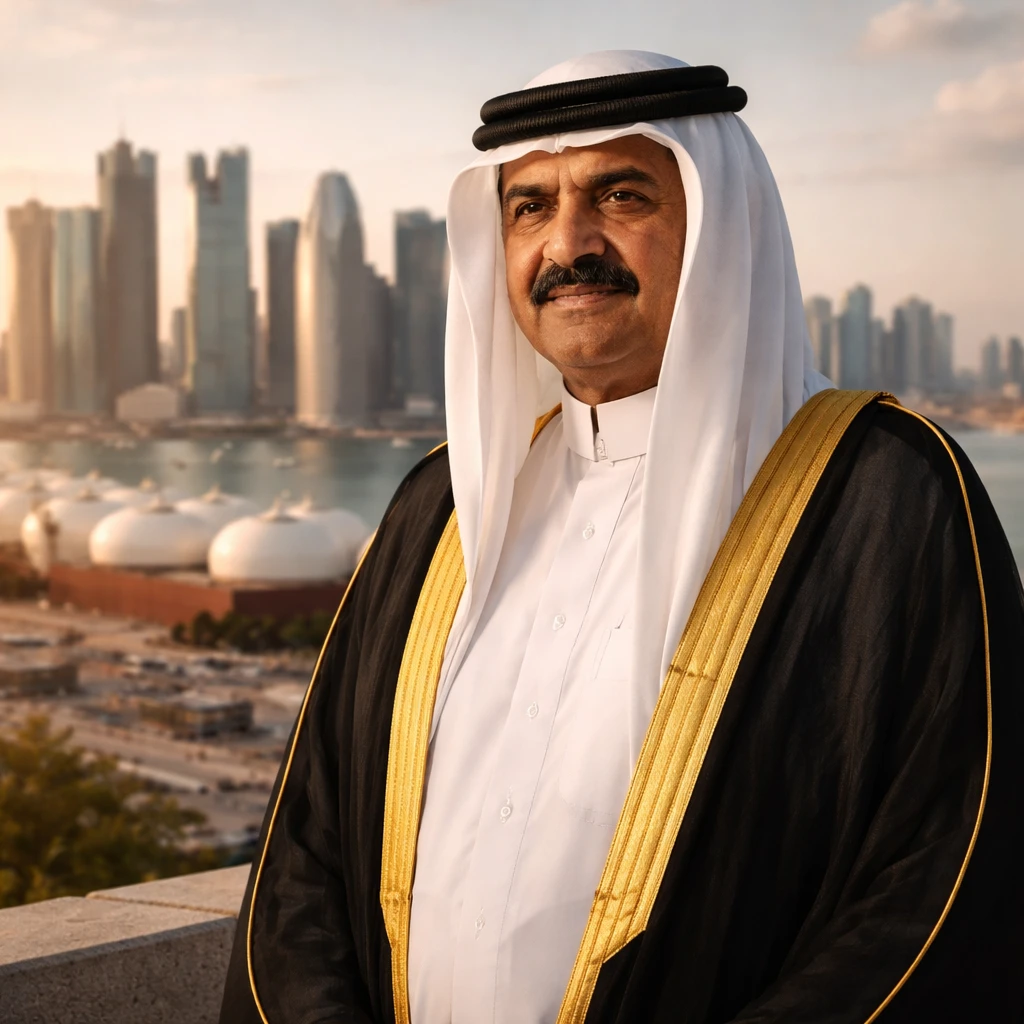
Former Qatari Emir Sheikh Hamad bin Khalifa Al-Thani died on Sunday at the age of 74, authorities said. No cause of death was provided.
Sheikh Hamad's period in power, from 1995 until 2013, marked a decisive shift in Qatar's economic and geopolitical posture. He assumed control in 1995 via a bloodless coup and proceeded to oversee policies and investments that turned the small Gulf state into a leading exporter of liquefied natural gas (LNG). By expanding production and building out export infrastructure, his administration laid the groundwork for Qatar's sovereign wealth and a larger role in global energy markets.
During his tenure, state-backed initiatives included the launch of the Al Jazeera news network and a successful bid to host the 2022 FIFA World Cup. Heavy investment in transport and commercial infrastructure transformed Doha into a global business and transit hub, aligning physical assets with the country's expanding economic footprint.
On foreign policy, Sheikh Hamad pursued an independent course that positioned Qatar as an intermediary in regional disputes and international negotiations. His government maintained strong ties with the United States while simultaneously preserving relations with Iran and other regional actors. That diplomatic posture has been credited with helping to sustain Doha's role in talks concerning Gaza and in tensions between the United States and Iran.
The emir's foreign-policy choices also included active support, during the 2011 Arab Spring, for a range of revolutionary movements and Islamist groups across the Middle East. Those actions raised Qatar's profile internationally, but also contributed to tensions with neighboring Saudi Arabia and the United Arab Emirates.
In a rare move among Gulf leaders, Sheikh Hamad voluntarily stepped down in 2013, handing power to his son, Sheikh Tamim bin Hamad Al-Thani. The smooth transfer of authority was presented at the time as a stabilizing step for a ruling family that has experienced episodes of internal rivalry.
Sheikha Moza bint Nasser, Sheikh Hamad's wife, was a visible partner during his rule, championing education, research and social development initiatives as Qatar expanded its global presence.
Sheikh Hamad's legacy remains closely linked to the policies enacted while he led the country: the expansion of Qatar as an energy exporter, its growth as a sovereign investor, and its development as an active diplomatic actor. The strategic choices and infrastructure projects initiated under his leadership continue to influence the country's economic strategy and international posture.
Context and implications
Policy measures undertaken during his rule established enduring commercial and diplomatic channels. Those decisions shaped Qatar's energy-export capacity and investment behavior and contributed to the state's elevated international role.
At the same time, elements of his foreign policy that increased Qatar's influence abroad also altered regional alignments, producing both opportunities for mediation and friction with neighboring states.
Authorities have not released further details about circumstances surrounding Sheikh Hamad's death.