
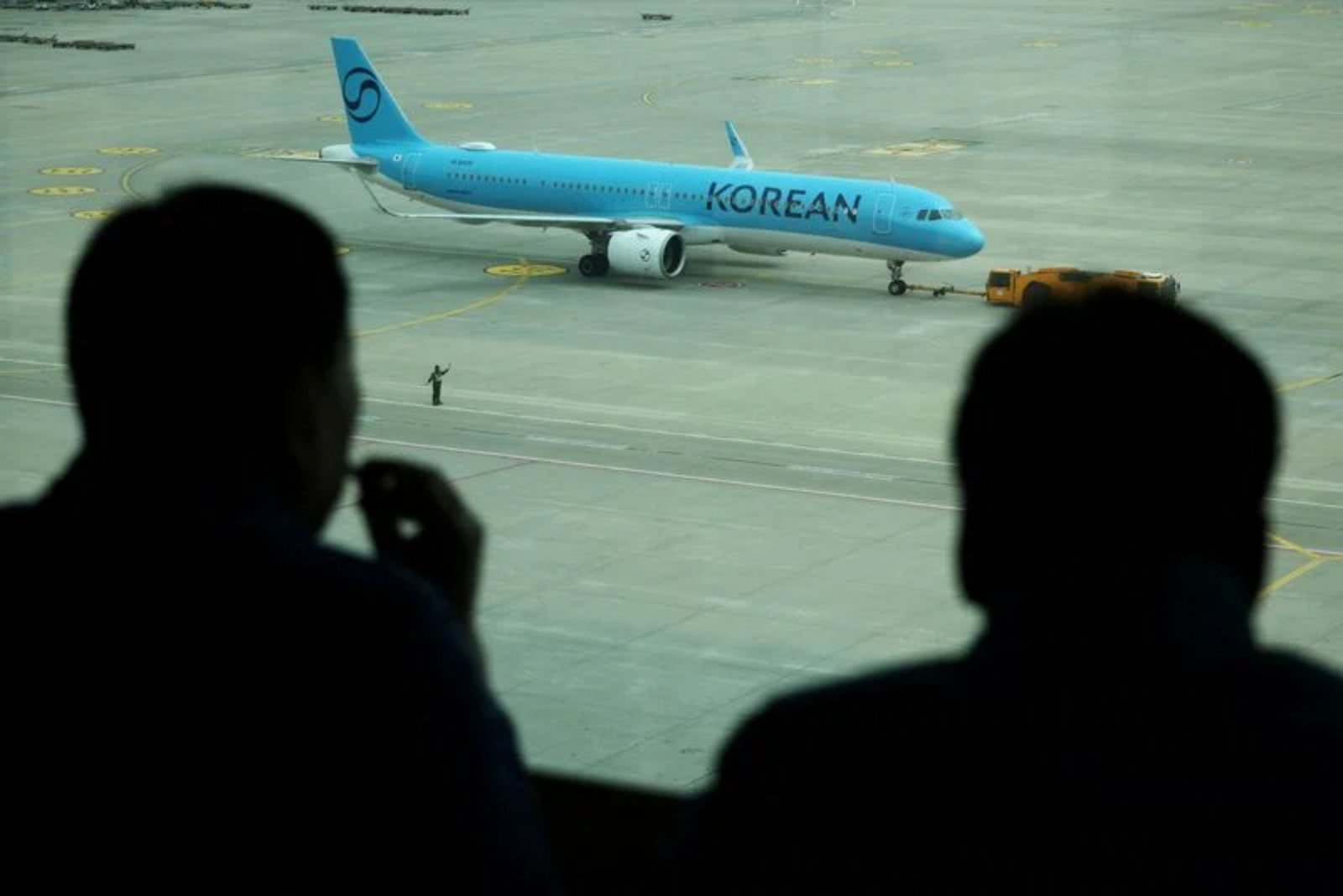
Korean Air reported a significant decline in second-quarter operating profit even as total sales hit a record for the period. Operating profit for April through June fell to 261.8 billion won from 398.9 billion won a year earlier - a decline of 34% - after rising fuel costs weighed on the carrier's results.
Total revenue for the quarter climbed to 5.02 trillion won, representing a 26% year-on-year increase and marking the highest revenue figure the airline has recorded in a second quarter.
Passenger and cargo dynamics
Passenger revenue improved by about 19% year-on-year to 2.85 trillion won in the quarter. The carrier identified stronger inbound tourism and a rise in transit traffic as contributing factors. Those gains helped offset a softening in outbound travel from South Korea, a trend the company linked to higher oil prices.
Cargo operations showed particularly strong performance. Cargo revenue surged roughly 46% year-on-year to 1.54 trillion won. Korean Air attributed part of that growth to robust demand related to global investments in artificial intelligence and to solid exports of South Korean beauty products.
Outlook and management expectations
Korean Air said it expects passenger demand to improve in the third quarter, supported by peak summer travel and falling fuel surcharges. Management also signalled a focus on sustaining revenue momentum through high-growth cargo segments, naming AI-related industries in particular as a target for continued cargo strength.
Exchange rate used in the company's reporting: $1 = 1,500.1000 won.
Contextual notes
The company emphasized that while revenue reached record levels for the quarter, rising fuel costs materially reduced operating profit. The combination of improving inbound travel and elevated transit demand partially offset weakness in outbound passenger flows.
The quarter's performance highlights a divergence between top-line growth and margin pressure from fuel, and points to cargo segmentation - notably AI-related freight and beauty product exports - as a key revenue driver going forward.