
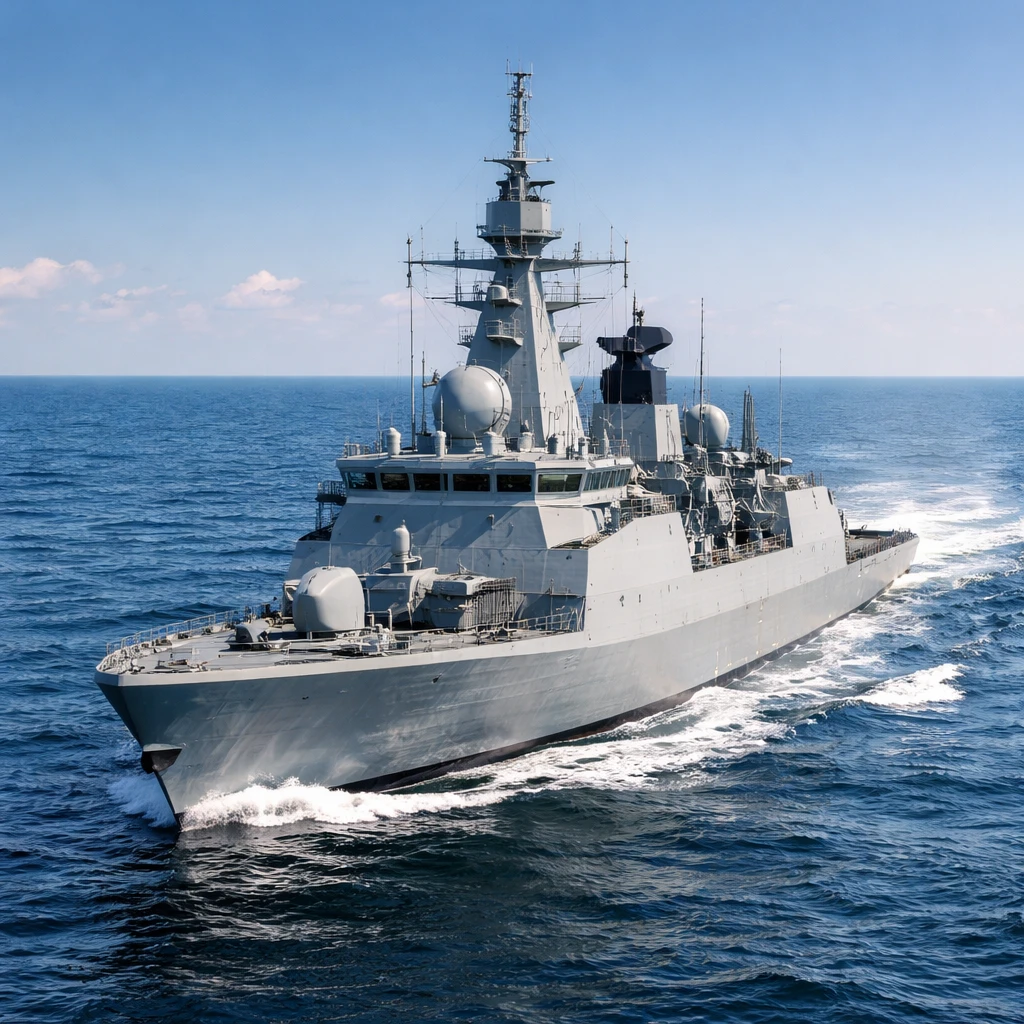
European members of the North Atlantic Treaty Organization have largely substituted the military assets that the United States withdrew from its contingency plans regarding a potential conflict in Europe. Bloomberg reported this development on Friday, citing statements from Sir John Stringer, the Deputy Supreme Allied Commander Europe.
Stringer addressed the situation ahead of the NATO summit scheduled for next week in Ankara. He noted that European allies have stepped in to compensate for the reduction in planned U.S. forces. He described this transition as evidence of a stronger Europe operating within a stronger NATO alliance.
These comments follow recent decisions by the United States to scale back the forces it would deploy to Europe in the event of a major crisis or war. In response to these changes, NATO's military command requested that European allies identify additional capabilities they could contribute to the alliance.
Stringer stated that burden-sharing within NATO is now being conducted in a sensible and proportionate way, based strictly on military requirements. He added that Europe has been preparing for a shift in U.S. strategic priorities for several years. In areas where European allies cannot provide identical capabilities, NATO is exploring ways to achieve comparable operational effects through different military assets.
Colonel Martin L. O'Donnell, a spokesperson for NATO's military command, stated that European allies have matched or exceeded previous U.S. contributions in some air and maritime capabilities. He noted that some European forces are fielding equipment that is comparable to, or more advanced than, existing U.S. systems.
Stringer also reiterated that all 32 NATO members remain committed to the alliance's target of spending at least 3.5% of gross domestic product on core defense by 2035. These remarks come as European governments continue increasing defense budgets following Russia's invasion of Ukraine. This trend occurs amid growing expectations that Europe will assume a larger share of NATO's defense responsibilities as Washington reassesses its long-term military posture on the continent.