
Commodities August 17, 2026 09:06 PM

Hichilema Wins Second Term as Opposition Makes Notable Gains Amid Cost-of-Living Gripes

Incumbent secures roughly 60% of votes but unrest and accusations of irregularities follow a turbulent vote count

By Marcus Reed
Share
Twitter Reddit Facebook LinkedIn

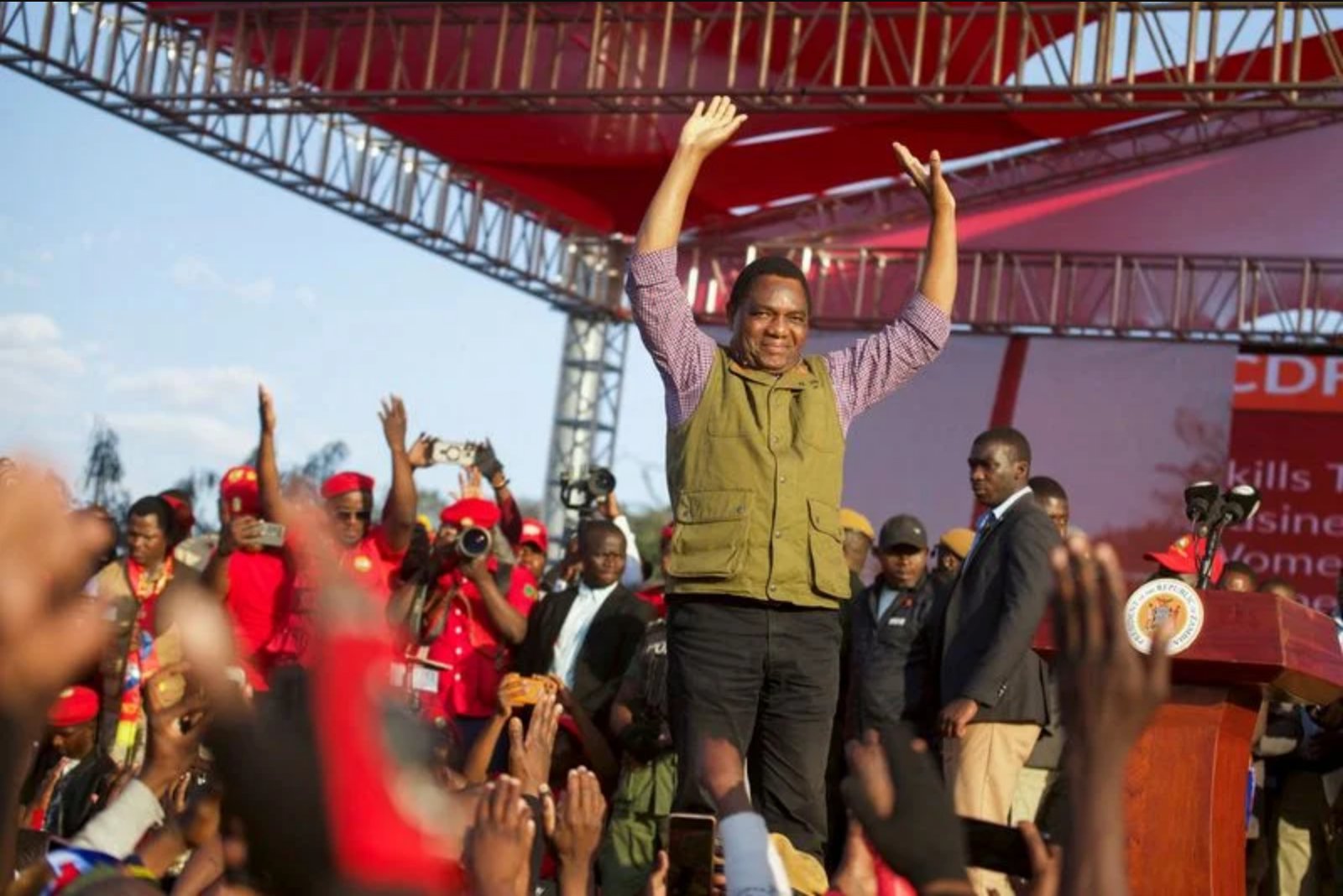
President Hakainde Hichilema secured a second term with about 60% of valid votes, while opposition newcomer Brian Mundubile captured around 38%, reflecting voter unease over persistent cost-of-living pressures despite macroeconomic improvements. The election aftermath saw arrests, a temporary suspension of counting and allegations of tampering; an analyst warned of possible localized violence but did not expect widespread unrest.

Hichilema Wins Second Term as Opposition Makes Notable Gains Amid Cost-of-Living Gripes
Summarize with
ChatGPT Perplexity Claude Grok Gemini

Key Points

  • Hakainde Hichilema re-elected with about 60% of valid votes; Brian Mundubile received roughly 38%.
  • Despite macroeconomic improvements since 2021, public frustration over daily living costs benefited the opposition's campaign message.
  • Post-election disruptions included arrests involving opposition figures, a temporary suspension of vote counting, and allegations of tampered results; the mining sector remains geopolitically significant given Zambia's copper resources.

Zambia's sitting president, Hakainde Hichilema, has been returned to office for a second term, according to results published by the country's electoral commission in the early hours following the vote. The commission's tally showed Hichilema receiving about 60% of valid ballots, with his primary challenger, Brian Mundubile, obtaining roughly 38%.

The vote marked Hichilema's seventh presidential campaign and, as the incumbent, he entered the race widely viewed as the favorite. Mundubile, standing for the presidency for the first time, mobilized support by focusing on everyday economic hardships, arguing that measurable improvements in macroeconomic indicators had not translated into better living conditions for many citizens.

Hichilema, 64 years old, had run his campaign on the record of economic recovery since assuming office during Zambia's pandemic-era debt crisis in 2021. The country, rich in copper, remains strategically important for critical minerals and has drawn international attention from both China and the United States.


What had been a relatively calm pre-election period deteriorated rapidly on polling night. Authorities detained 11 people in a raid that included leading opposition figures; the operation reportedly involved an exchange of gunfire and occurred while Mundubile was present. The day after the vote, the electoral commission paused the counting process for several hours amid reports alleging violence against polling staff and the theft of ballot papers.

Mundubile said he had received reports suggesting possible alteration of results forms at polling stations and called for an independent investigation into the matter. Supporters of Hichilema dismissed those claims, saying they were untrue.

Commenting on the immediate political outlook, Greg Musiker, a Zambia analyst at advisory firm Signal Risk, said the opposition was unlikely to accept the announced outcome and could pursue a legal challenge, though such a challenge was expected to have limited prospects of success. "While localised political violence is possible in the coming days, widespread unrest is not expected," he added.


The vote outcome and the tense post-election developments underscore persistent public discontent over cost-of-living conditions even as officials point to macroeconomic gains. The situation also places the nation's mining sector and its role supplying critical minerals into a spotlight, given the geopolitical interest cited by observers.

Risks

  • Reports of violence against polling staff, arrests and a temporary halt to counting raise the risk of localized political unrest - this could affect sectors tied to public stability, including mining and transport.
  • Allegations of altered results forms and the opposition's likely legal challenge create short-term political uncertainty - this may complicate investor sentiment toward Zambia's commodities and mineral exports.
  • Heightened attention from external powers over Zambia's critical minerals introduces geopolitical uncertainty that could influence the mining sector and related trade flows.

More from Commodities

Oil edges up as tensions around Strait of Hormuz keep markets on alert Aug 17, 2026 Oil firms as prospects for a U.S.-Iran settlement fade, raising supply concerns Aug 17, 2026 Gold Holds Near $4,450 as Fed Tightening Odds Ease and Geopolitical Strains Bolster Demand Aug 17, 2026 U.S. to Move Quickly to Help Refineries Raise Fuel Output, Energy Secretary Says Aug 17, 2026 Wheat Prices Pull Back as Traders Lock In Gains; Black Sea Disruptions Keep Export Risks in Focus Aug 17, 2026