
SAO PAULO, June 12 - Brazil's consumer price index accelerated more than anticipated in May, pushing annual inflation above the top of the central bank's target band for the first time since October and raising fresh questions ahead of the bank's policy meeting next week.
Statistics agency IBGE reported annual inflation of 4.72% in May, up from 4.39% in April and slightly above the 4.66% projection gathered in a poll of economists. On a monthly basis, consumer prices increased by 0.58%, easing from April's 0.67% but coming in above the 0.53% monthly rise economists had predicted.
Drivers and sector moves
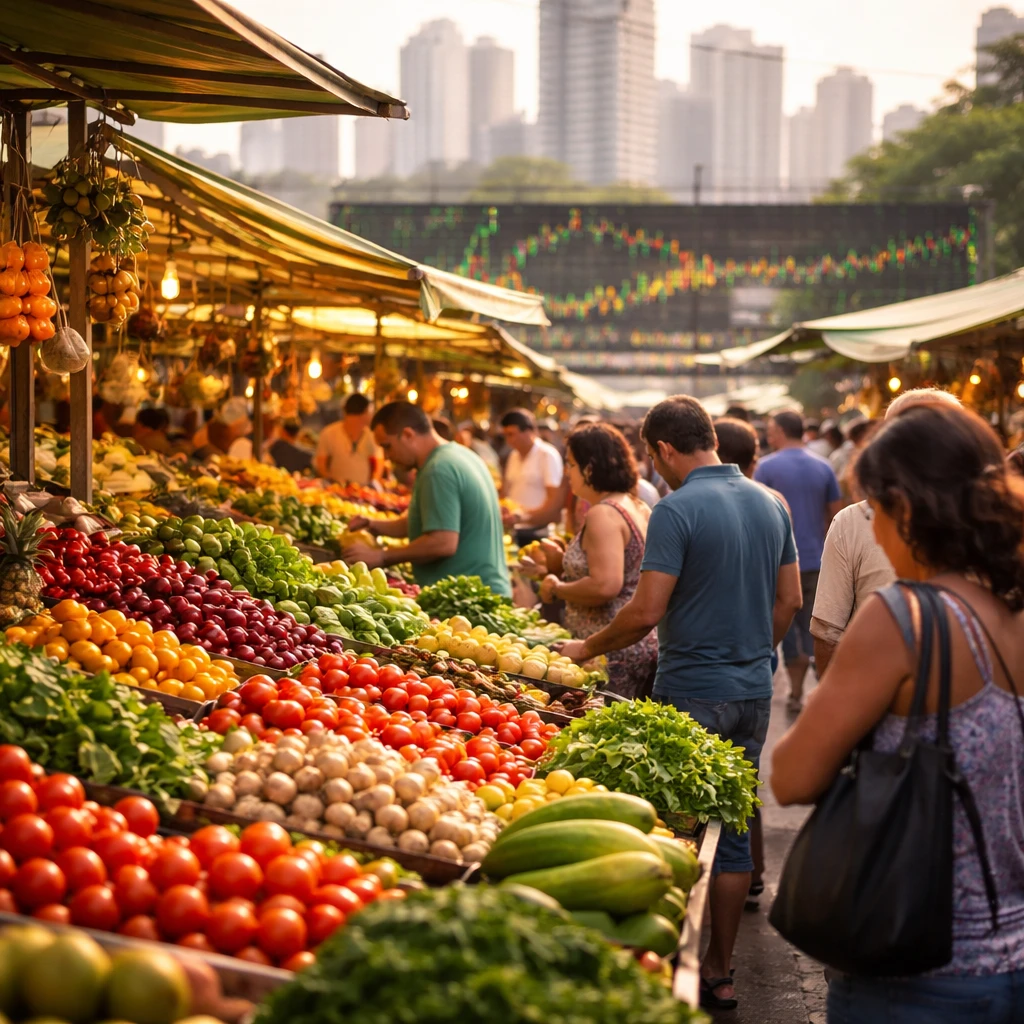
The rise in May was primarily driven by higher costs for food and beverages, which climbed 1.33% from the prior month. By contrast, transport prices fell 0.46% in May after a prior surge in March that was linked to an oil price shock tied to the Middle East conflict.
These sectoral patterns - stronger food inflation alongside softer transport costs - shaped the overall reading, even as headline monthly inflation slowed relative to April.
Policy implications
The inflation figures arrive ahead of the central bank's June 16-17 policy meeting. The bank formally targets inflation of 3%, with a tolerance range of plus or minus 1.5 percentage points. In April, policymakers cut the benchmark Selic rate by 25 basis points for a second straight meeting, lowering it to 14.50%, but left the door open on subsequent moves, citing emerging inflation risks as the U.S.-Israel war with Iran continues to unfold.
Central bank Governor Gabriel Galipolo warned last week that demand-driven pressures are contributing to inflation, citing indicators that strip out supply shocks such as those connected to the Iran-related conflict. Those comments have coincided with a shift among financial institutions and forecasters.
Brazilian banks have been paring back expectations for further rate reductions, pointing to a firmer inflation outlook stemming from higher oil prices and domestic fiscal stimulus. A weekly central bank survey showed economists now expect a shallower easing cycle: the latest poll projects the Selic rate at 13.50% by year-end, up from 13.25% in the prior week's survey.
Outlook
The May inflation print highlights the interplay between food prices, transport costs and broader demand pressures as policymakers prepare for their June meeting. While monthly inflation moderated versus April, the annual rate nudged above the upper bound of the central bank's target range, keeping monetary policy options under close scrutiny.