
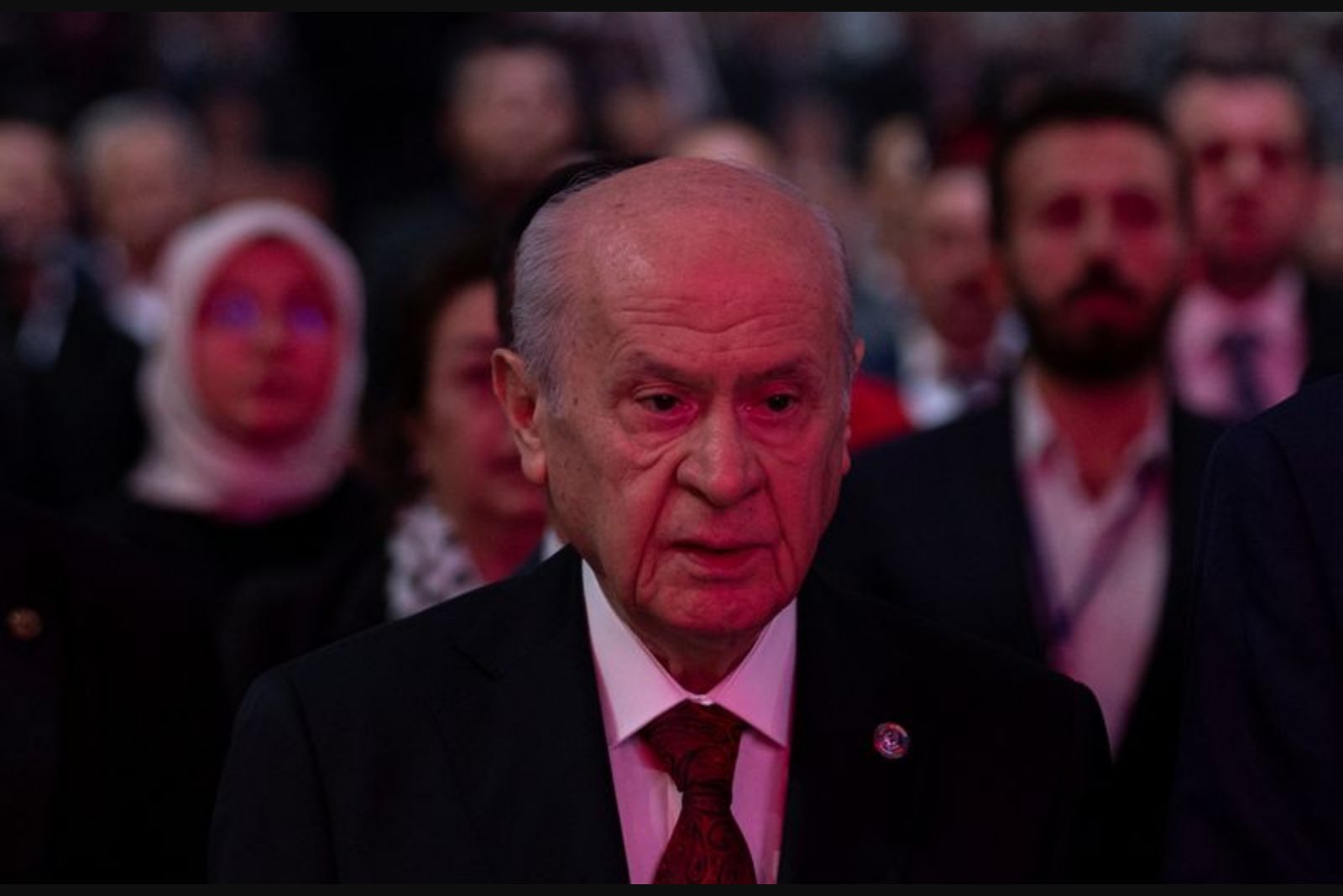
ANKARA, May 5 - Devlet Bahceli, head of Turkey's nationalist party and a key ally of President Tayyip Erdogan, told parliament on Tuesday that Abdullah Öcalan, the imprisoned founder of the outlawed Kurdistan Workers' Party (PKK), should be given a defined official role to help drive a peace process aimed at ending decades of conflict.
Speaking after criticism from pro-Kurdish lawmakers who argued the government was moving too slowly, Bahceli proposed the creation of a new body he said would consolidate and steer the talks. "If there is a lack of status for Abdullah Ocalan, this should be addressed in a way that clearly benefits the Republic of Turkey and serves the goal of a terror-free Turkey," he said in parliament.
Bahceli called for the new entity to be named the "Peace Process and Politicisation Coordination Office," and added that the "founding leader of the PKK should serve under a defined role." He reiterated that subsequent steps should be enacted through political and legal measures and said proposals from all parties represented in parliament should be considered.
The PKK, which Turkey, the United States and the European Union classify as a terrorist organisation, stopped attacks last year and announced in May that it had decided to disband and end its armed struggle. That move followed a February 2025 call by Öcalan, who has been held in prison in Turkey since 1999.
Despite those developments, a stalemate remains over the sequence of next steps. Ankara has stated that disarmament must be verified before any further legal or political measures are taken, while Kurdish political actors have urged more rapid reforms. Bahceli framed his proposal as a means to end protracted debate and provide an institutional mechanism for advancing the process.
The conflict that the talks seek to resolve began in 1984 and has resulted in more than 40,000 deaths, with violence and political tensions spilling over into neighbouring Iraq and Syria. The current discussion over how to proceed highlights continuing divisions between expectations for immediate political change and the government's insistence on verification of disarmament before broader legal or political recognition.
Context and parliamentary debate
Bahceli, known for his pivotal role in initiating previous rounds of talks, presented his proposal amid pressure from Kurdish representatives for quicker action. He urged a cross-party examination of legislative and regulatory options, underscoring his view that institutionalising a coordination office and defining Öcalan's role could help translate ceasefire commitments into concrete political and legal outcomes.
At the same time, the government’s position that disarmament verification must precede substantive legal or political changes remains a key barrier to immediate implementation of reforms demanded by Kurdish actors.