
Economy May 5, 2026 06:59 AM

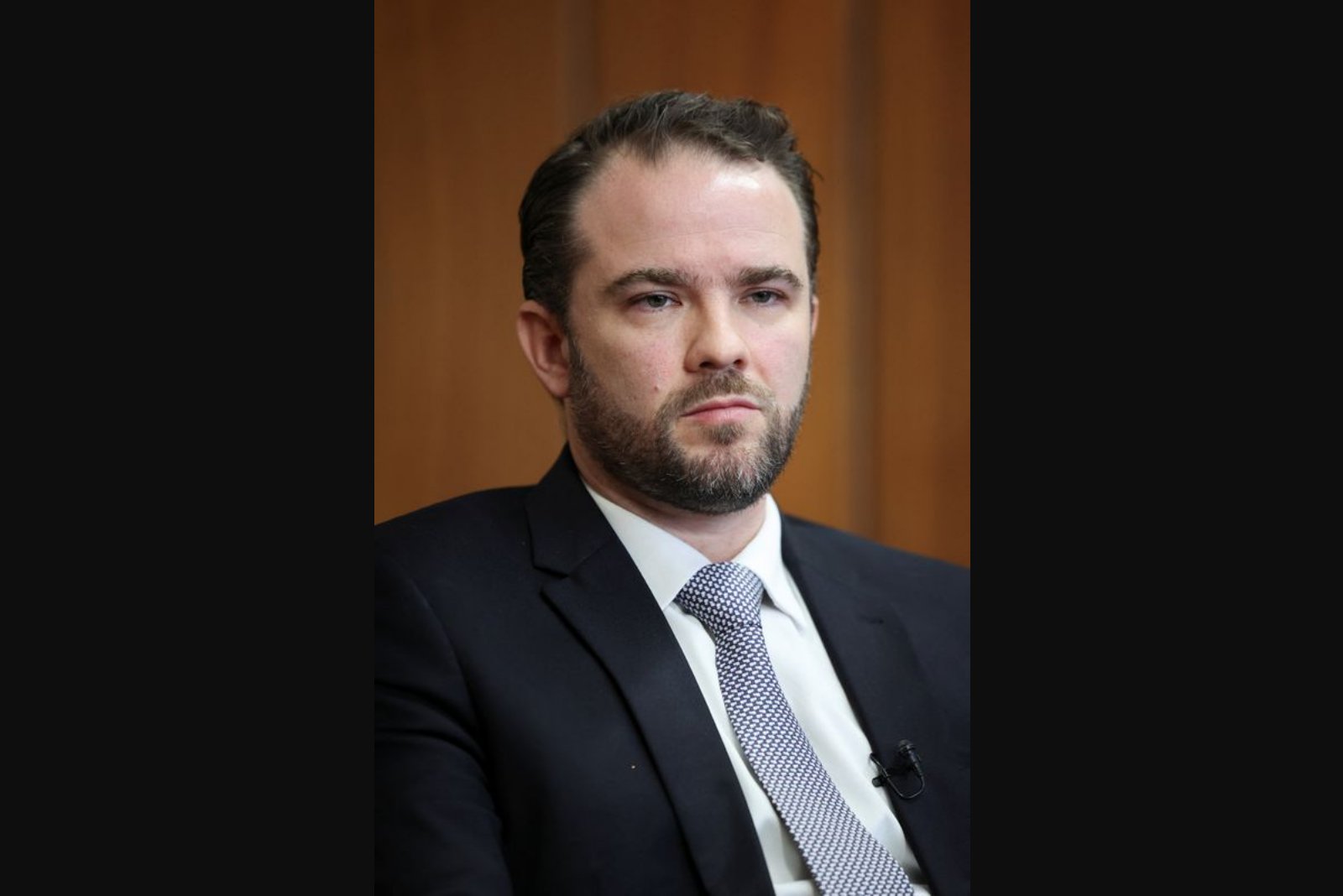
Finance Minister Says Debt Relief Relaunch Will Not Disrupt Rate-Cut Cycle

Dario Durigan views fiscal impact as limited as Brazil presses ahead with consumer debt relief and targets inflation

By Maya Rios
Finance Minister Says Debt Relief Relaunch Will Not Disrupt Rate-Cut Cycle

Brazil's finance minister Dario Durigan said the government's relaunched consumer debt relief program is unlikely to derail the country's nascent cycle of monetary easing, describing the fiscal effect as 'quite contained.' Durigan tied current monetary pressures to geopolitical events that have pushed oil prices higher and reiterated opposition to changing the inflation target, while flagging the need to restrain mandatory spending and revisit elements of the 2023 fiscal framework.

Key Points

  • Finance Minister Dario Durigan said the relaunched consumer debt relief program 'seems quite contained' and is unlikely to derail the monetary easing cycle.
  • The central bank cut its benchmark rate by 25 basis points last week to 14.5% after prolonged ultra-restrictive policy; inflation stands at 4.37% versus a 3% official target.
  • Durigan opposed changing the inflation goal and flagged the need to curb mandatory spending over time, including revisiting parameters of the 2023 fiscal framework and limiting federal transfers to the Federal District.

BRASILIA - Finance Minister Dario Durigan said the government's recently relaunched consumer debt relief program will not deliver fiscal stimulus large enough to derail Brazil's ongoing monetary easing cycle.

Speaking on the TV program Roda Viva late on Monday, Durigan characterized the program's impact as limited, saying it "seems quite contained." The initiative, which the government reintroduced on Monday, was first launched in 2023 and is intended to lower interest burdens on households and bolster disposable income in the run-up to President Luiz Inacio Lula da Silva's re-election bid in October.

When asked whether fiscal developments were putting pressure on monetary policy, Durigan pointed to external factors instead. "Is the fiscal picture pressuring monetary policy today? No, it is the war," he said, referring to the U.S.-Israeli conflict against Iran, and noting that the situation has contributed to higher oil prices.

Durigan's comments come after the Brazilian central bank cut its benchmark interest rate for a second consecutive meeting by 25 basis points last week, lowering the Selic rate to 14.5% following an extended period of ultra-restrictive policy aimed at bringing inflation down to the official 3% target. Inflation is currently running at 4.37%.

"Is the fiscal picture pressuring monetary policy today? No, it is the war,"

On the question of adjusting the inflation target, Durigan told the program he opposes changing it.

Durigan also addressed the trajectory of mandatory spending, which has risen rapidly under President Lula's administration. He argued that mandatory spending needs to be reined in over time and suggested one possible avenue would be to revisit parameters of the country's fiscal framework that was approved in 2023.

The fiscal framework passed under Lula combines primary budget balance targets with a cap that limits spending growth to up to 2.5% above inflation. Durigan added that imposing limits on transfers from the federal government to the Federal District government is another measure that needs to be implemented.

Durigan's remarks link fiscal discipline, central bank policy, geopolitical risks and energy price dynamics in a compact policy narrative: the consumer debt relief program aims to ease household burdens but, in the minister's view, does not by itself threaten the nascent easing of monetary policy amid other forces shaping inflation and public finances.

Risks

  • Geopolitical tensions - Durigan attributed current pressure on monetary policy to the U.S.-Israeli conflict against Iran, which has pushed up oil prices, introducing an external inflationary risk that could affect energy and transport sectors.
  • Rising mandatory spending - Continued rapid growth in mandatory expenditures under the administration could strain public finances if not curtailed, impacting sovereign fiscal stability and interest-rate sensitive sectors.
  • Implementation uncertainty - Measures suggested by Durigan, such as revisiting the 2023 fiscal framework parameters and limiting transfers to the Federal District, would require policy action; delayed or partial implementation would leave fiscal pressures unresolved.

More from Economy

RadixArk Secures $100M Seed to Trim AI Inference Costs May 5, 2026 Mozambique’s Financial Strain Deepens as Debt and Development Challenges Converge May 5, 2026 30-year UK gilt yields reach highest level in nearly 30 years as markets price more BOE hikes May 5, 2026 Romanian Government Ousted After Confidence Motion, Raising Questions Over Deficit Reforms May 5, 2026 Swiss inflation accelerates to 16-month peak as energy prices climb May 5, 2026