
Mozambique is confronting a sharper phase of a slow-moving economic crisis that has been building over several years. External security threats, political unrest and heavy financing pressures have converged to leave the southern African country navigating what lenders and ratings agencies describe as an elevated risk of debt distress and potential restructuring of its sole international bond.
The fiscal picture
Public finance concerns have mounted amid setbacks in developing Mozambique’s huge gas fields and domestic turbulence. An Islamist insurgency in the country’s north has delayed the exploitation and associated investment for gas projects, while post-election social unrest in late 2024 added a further layer of strain.
Although total public debt was broadly unchanged at roughly 90% of gross domestic product at the end of 2024 compared with a year earlier, the International Monetary Fund reclassified Mozambique’s debt in February to unsustainable from sustainable in its 2024 assessment, citing weaker public finances. The IMF also reported that tougher financing conditions in 2025 resulted in debt-service arrears estimated at 1.3% of GDP by year-end. Those arrears encompass sums owed to development lenders including the European Investment Bank as well as domestic creditors such as holders of short-term government paper.
Market signals and the lone international bond
Market measures reflect heightened investor concern. Mozambique’s sovereign bond spread over U.S. Treasuries, a common gauge of sovereign risk, stood at a distressed 1,185 basis points, according to JPMorgan data. The economy contracted by an estimated 0.5% last year, and the national currency, the metical, had weakened by 0.8% against the dollar so far this year, according to LSEG data.
Pressure has focused on Mozambique’s only international bond - a $900 million instrument maturing in 2031 - which has an interest payment due in September. Credit-watch actions and market commentary have intensified. Fitch downgraded the sovereign rating to "CC" from "CCC" last month, citing a heightened risk that a credit event could occur via default or a restructuring. Wall Street lender Citi identified Mozambique, alongside Malawi, as among regional sovereigns that could be at risk of default. The government has not issued a public comment on these warnings.
Engagement with the IMF
The IMF has played a recurring role in Mozambique’s finances and is due to advance talks on a new programme. Fund staff are scheduled to travel to Maputo in June to progress discussions after the expiry of a three-year, $456 million arrangement that was agreed in May 2022. The IMF has indicated that fiscal consolidation and greater exchange-rate flexibility will be required to relieve pressures and restore stability.
Earlier this year, Mozambique cleared its arrears to the IMF, a step analysts said was aimed at shoring up credibility ahead of negotiations for fresh financing. Relations with the Fund have been uneven: in 2016 the IMF suspended lending after undisclosed debts tied to the so-called "tuna bonds" were revealed, and Mozambique later met conditions to regain access.
The Fund has warned that continued reliance on deficit financing from local banks cannot persist, saying such funding is straining the system and risks crowding out credit to the private sector. S&P Global Ratings underscored domestic distress when it affirmed Mozambique’s domestic debt rating at Selective Default in October, citing a sequence of domestic debt exchanges in which short-dated local-currency bonds were swapped for longer-dated paper - operations S&P classified as distressed and tantamount to default.
In October, the government said it had authorised consulting firm Alvarez & Marsal to help with a public debt restructuring plan, though it did not provide additional details at that time.
Other headwinds to growth and stability
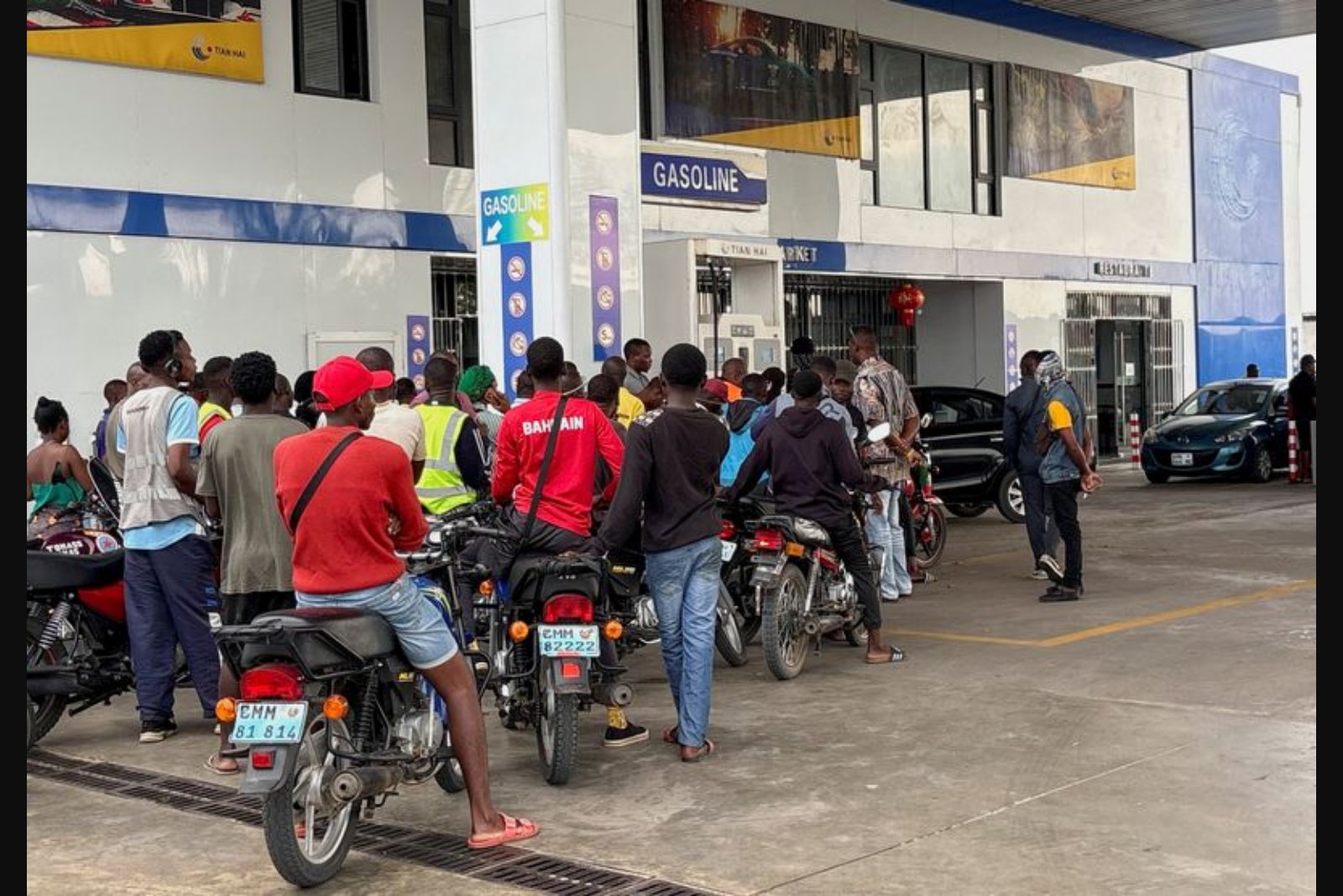
Mozambique faces a range of additional pressures. Inflationary dynamics and supply issues have been affected by higher costs for fuel and fertiliser linked to conflict in the Middle East. The country’s security challenges and exposure to climate shocks have also taken a toll, including a deadly cyclone in 2024. Persistent poverty and weak infrastructure limit the government’s ability to generate the growth needed to meet development needs and rebuild fiscal buffers.
Taken together, these factors have tightened the margin for error for Mozambique’s authorities as they seek a path to sustainable financing and to preserve access to international capital markets.