
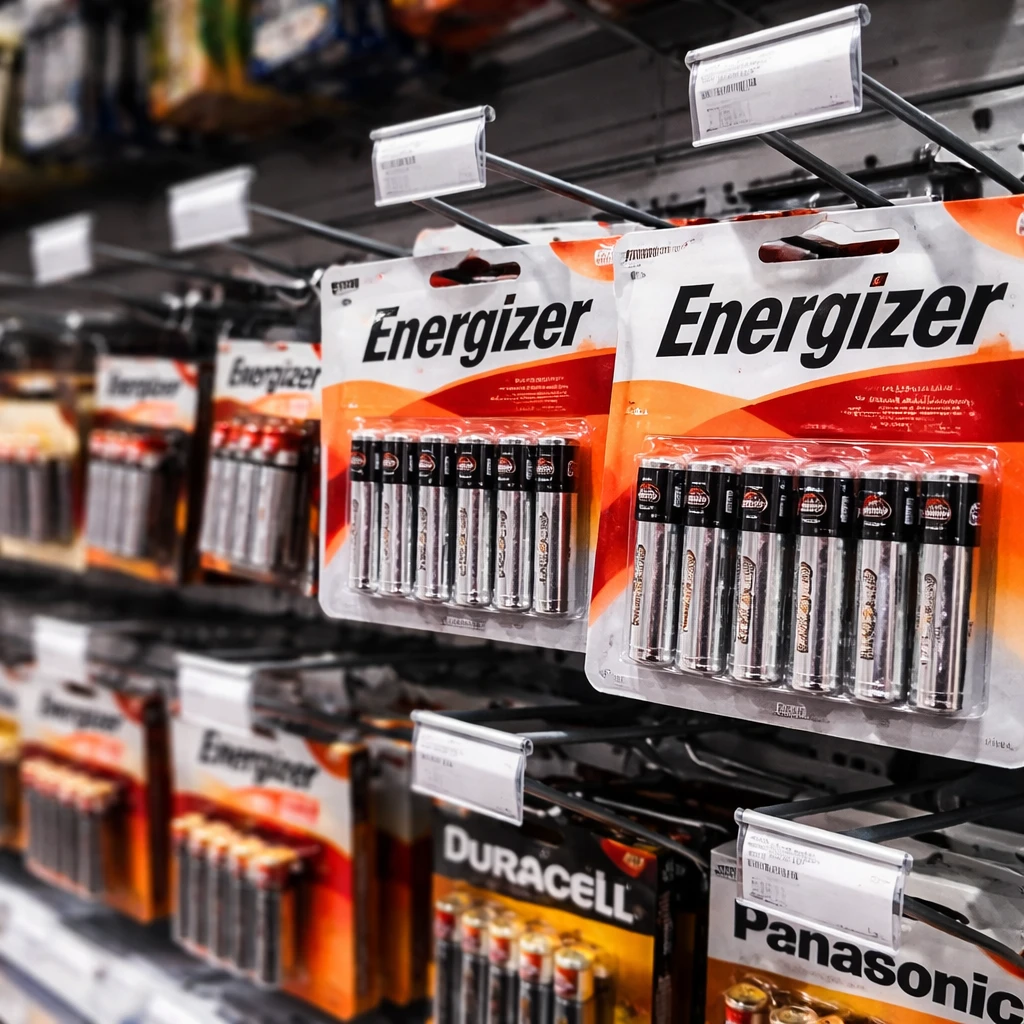
Energizer Holdings Inc. reported second-quarter fiscal 2026 results that delivered an adjusted earnings per share number well above consensus, lifting the company's stock by about 4.94% in trading.
The company posted adjusted EPS of $0.94, nearly double the Wall Street consensus of $0.47. Energizer attributed a substantial portion of the outperformance to a $48 million tariff refund recorded during the quarter. Management said the refund boosted the company's gross margin by roughly 750 basis points.
Despite the headline earnings beat, Energizer recorded organic sales that were below expectations for the quarter. The company reiterated its forecast that organic sales will return to growth in the second half of the fiscal year, while updating full-year organic sales guidance to flat. Previously, management had guided to a range of flat to up modestly for organic sales.
On the outlook, Energizer raised its full-year EBITDA and EPS guidance to the higher end of the ranges it had previously provided. Company commentary made clear, however, that the incremental upward revisions did not fully reflect the tariff benefit recognized this quarter. Management cited weaker top-line performance and a timing shift in production credit benefits as reasons the guidance increase was smaller than the one-time tariff-driven boost.
Cash flow guidance was left unchanged despite the tariff refund and the stronger-than-expected earnings print in the period.
Analysts at Barclays weighed in on the quarter and emphasized the importance of shipment timing for understanding Energizer's organic sales dynamics. They wrote that "shipment timing matters far more than any reads from Nielsen data as ENR organic sales fell well short of expectations." Barclays added that "prior expectations for ~flat consumption now seem at risk."
On the tariff refund specifically, Barclays noted a contrast with a peer, stating "we would note that NWL last week did not record a similar benefit to gross margins, though our understanding is that Energizer has strong visibility into the probable refund amount with timing the open question."
Finally, the company did not revise its cash flow outlook even after recording the tariff benefit in the quarter.
Market and sector context
The quarter highlights a disconnect between earnings mechanics - where one-time items can lift profitability measures - and underlying organic demand, which remains a key metric for assessing performance in consumer goods and household products. For investors and analysts, discerning the sustainability of margin gains versus transient benefits will be central to evaluating the company through the remainder of the fiscal year.