
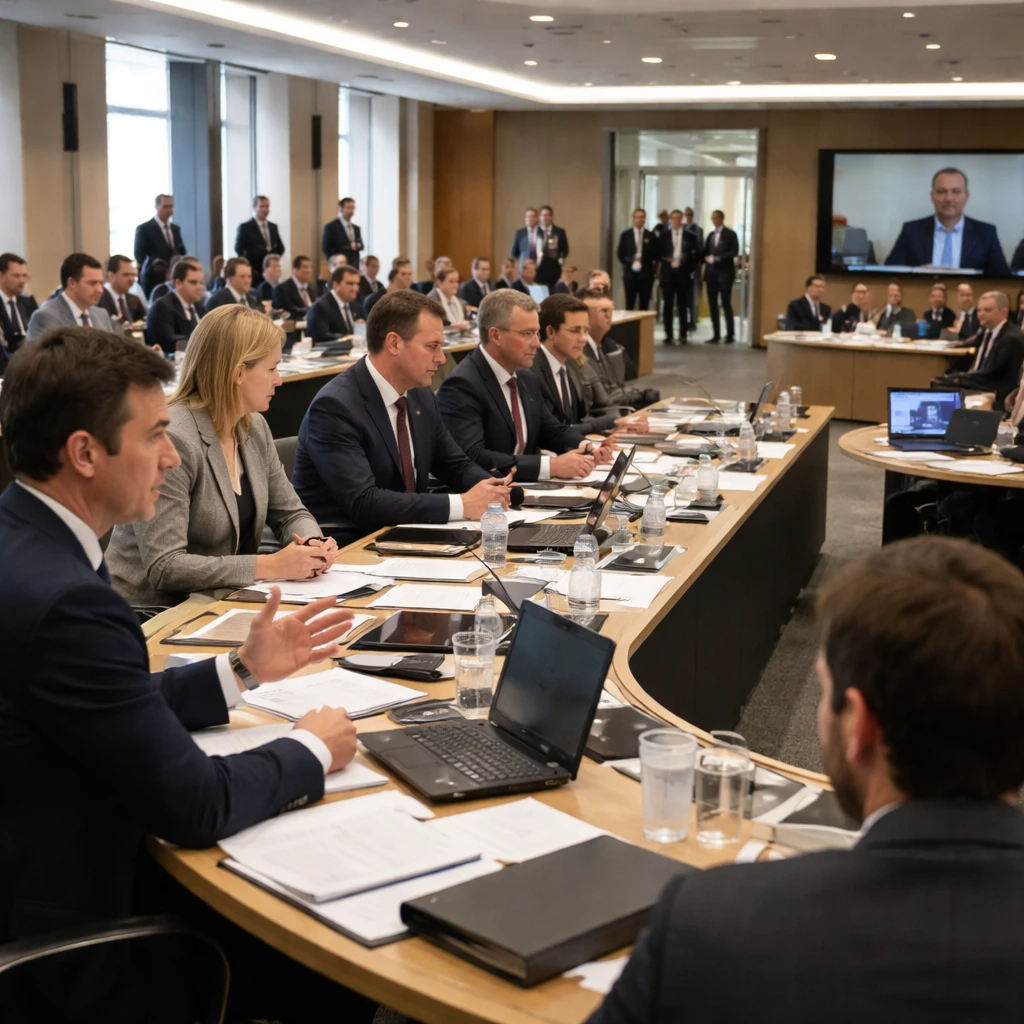
Meta Platforms attended a private hearing in Brussels as it sought to delay or avoid an interim European Commission order that would permit competing AI chatbots to use WhatsApp. The company presented its case on Tuesday after regulators issued an additional charge sheet last month outlining the proposed remedy.
The contested measure is part of an interim process while the Commission continues investigating whether Meta has abused its dominant position. The inquiry could ultimately expose the company to a substantial fine if the regulator finds an antitrust violation.
European regulators will decide within the coming months whether to issue the interim order. Meta has said the step by the antitrust watchdog would effectively allow some of the largest AI developers to access WhatsApp Business services without paying for them.
Meta first restricted WhatsApp AI access on January 15, allowing only its own Meta AI assistant to operate on the messaging platform. In March, the company revised that rule to say third-party AI services could integrate with WhatsApp, but only for a fee. That change prompted a second formal charge from EU authorities, adding to an initial charge issued in February that related to potential temporary measures aimed at preventing Meta from blocking AI rivals.
At the Brussels hearing, Meta was represented by lawyer Tim Lamb and other members of its legal team. Company executives in the United States followed the four hour-long proceeding remotely.
Meta reiterated its prior public arguments in its submissions to regulators. A Meta spokesperson said that forcing paid-for WhatsApp Business functionality to be made freely available would shift costs onto the paying customers of that service. "This means that a small bakery in France paying to use the service to take croissant orders will be picking up the tab for OpenAI. Small European businesses shouldn’t foot OpenAI’s bill," the spokesperson said.
The European Commission's Deputy Director-General for Antitrust, Linsey McCallum, and director Carlota Reyners Fontana were present and declined to comment as they entered the hearing.
Also participating in the hearing was The Interaction Company of California, the developer of the Poke.com AI assistant and a complainant in the case. Its co-founder and CTO, Felix Schlegel, said ahead of the hearing that Meta sought to monopolize WhatsApp for AI services by reserving integration to its own offerings and excluding competitors. He added that the company welcomed the Commission’s consideration of interim measures and intended to argue that such steps were necessary and should be enacted promptly. "Meta is seeking to monopolize the use of WhatsApp for AI services by reserving it to its own offerings and excluding competitors like us," Schlegel said. "We welcome the Commission’s action and its consideration of interim measures. At the hearing, we will make clear that these measures are necessary and should be adopted without delay," he said.
According to a person with direct knowledge of the matter, OpenAI and the French AI startup Simone were also listed as participants in the hearing.
As the Commission weighs whether to impose an interim access obligation, the outcome will directly affect how AI services integrate with one of Europe's most widely used messaging platforms. The proceeding highlights tensions between platform owners defending bundled or paid features and rivals and regulators pushing to preserve contestability in digital markets.
The decision on interim measures will be taken before the full investigation concludes, and could shape both the short-term availability of third-party AI chatbots on WhatsApp and the longer-term conduct of the inquiry. If the Commission decides to adopt the provisional remedy, Meta could be required to permit access to WhatsApp Business functionality under terms set by the regulator while the main case continues.
All parties to the hearing had the opportunity to present arguments during the closed session. The Commission will review those submissions as it determines whether to proceed with the proposed interim order in the months ahead.