
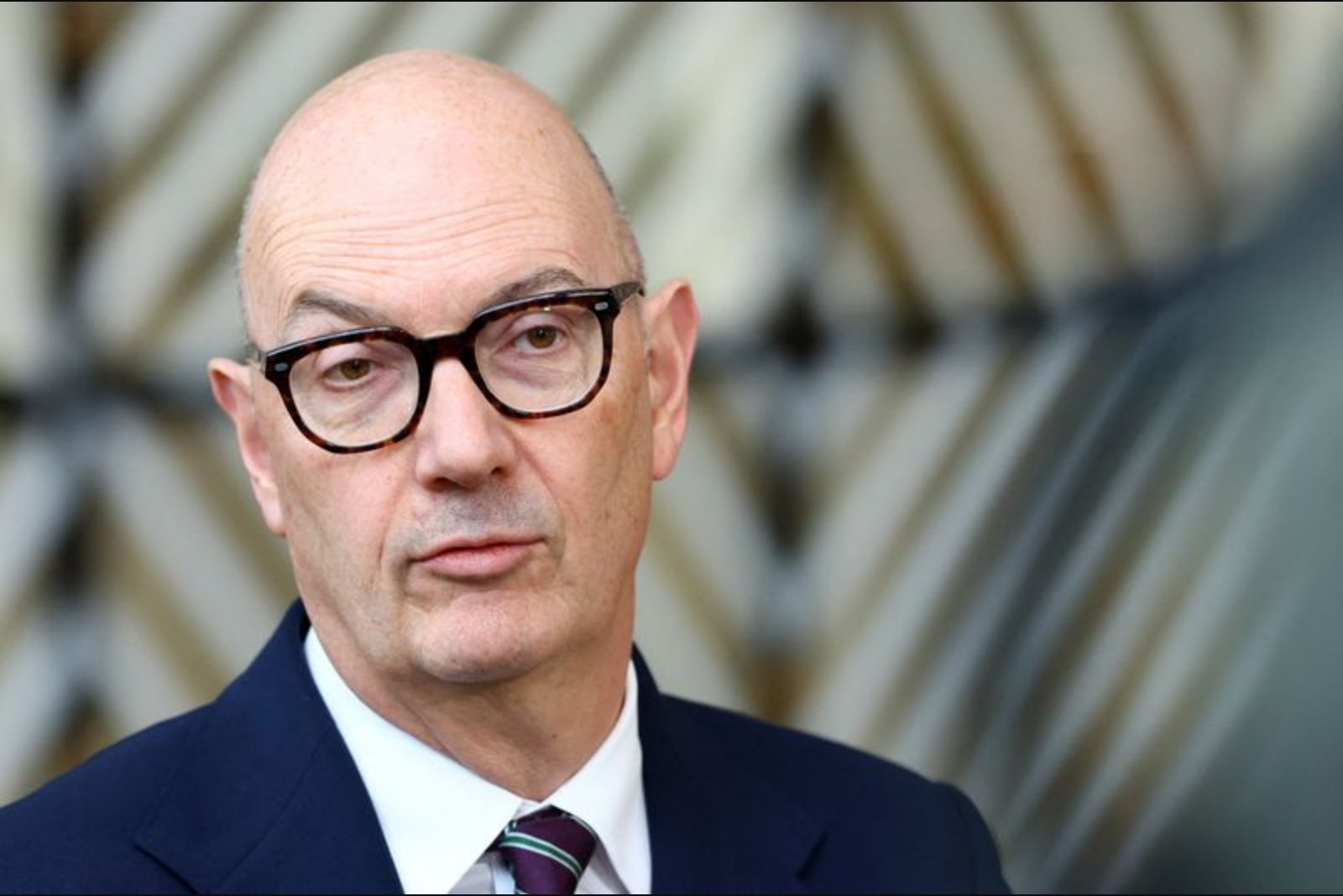
May 5 - France has summoned G7 counterparts to an online ministerial meeting scheduled for Thursday, aiming to tackle what it describes as an overconcentration of critical minerals production linked to China, Finance Minister Roland Lescure said. The virtual session is intended to pave the way for discussions at the G7 leaders' summit set for mid-June in Evian, Lescure told reporters.
Lescure delivered his remarks in Lacq, a town in southwestern France that the government is preparing to become a hub for the country's rare-earth processing activities. He argued that China achieved a dominant position in the market through substantial investment combined with pricing approaches that sidelined potential competitors.
"One of the projects we have in mind within the G7 is to ensure - much as the International Energy Agency was created in the 1970s when OPEC held a production monopoly - that we develop alternatives through international cooperation," Lescure said.
France has outlined a strategy intended to support its position in those G7 talks by reconstructing a domestic supply chain for rare earths and permanent magnets. The plan is targeted at reducing reliance on China for materials deemed critical to electric vehicles, wind turbines, electronics and defence applications.
The programme seeks to cover the full value chain: securing mineral supplies from abroad, processing and refining, producing alloys and manufacturing magnets domestically in France. The country has set ambitions for 2030 that quantify expected outputs: rare earth oxides sufficient to meet 100% of European demand for heavy rare earths and roughly 25% of demand for light rare earths, along with alloys corresponding to about 10% of European requirements.
To strengthen supply security, the French state will relax conditions for access to guarantees on strategic projects, prolong and simplify tax credits for green industrial investment through 2028, and route extra financing through an existing long-term investment programme as well as a dedicated metals fund. In addition, the government plans to engage international traders to secure critical minerals supplies and may offer a French state project finance guarantee as part of those discussions.
Context and next steps
The online ministerial meeting is positioned as a preparatory step ahead of the G7 leaders' summit in Evian. France intends to use both domestic policy changes and international coordination to present alternatives to the current market structure, with an emphasis on creating processing and manufacturing capacity within Europe.
Impacted sectors
- Automotive - electric vehicle supply chains reliant on rare earth magnets
- Energy - wind turbine component manufacturing
- Defence and electronics - critical materials for hardware production