
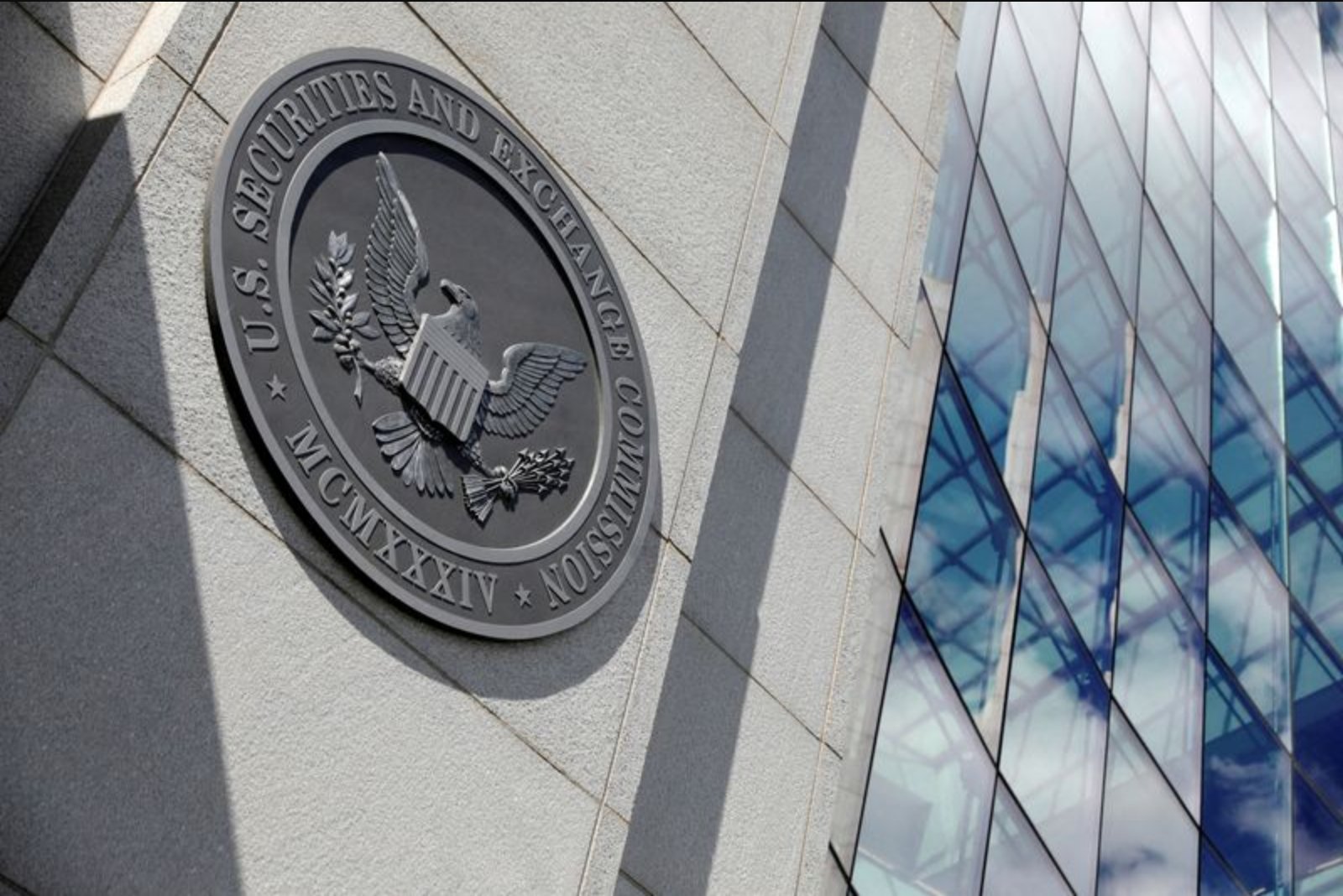
Washington - The U.S. Securities and Exchange Commission is preparing regulatory text intended to rescind a Biden-era rule that would have required public companies to disclose climate-related risks, greenhouse gas emissions and related spending, according to a notice posted on the federal budget office website.
The move follows a year in which the SEC declined to tell a federal court whether it intended to modify the 2024 regulation or to defend it against legal challenges brought by industry groups and Republican-led states. Those groups had contested the rule shortly after it was issued under the previous administration, and the SEC had placed the rule on hold while litigation proceeded.
In a statement, SEC Chair Paul Atkins said the agency is seeking to rescind the rule to bring disclosures back into alignment with what he described as the commission's "core mandate" - that public company reporting focus on information that is material to investors and on the SEC's legal authority to require such disclosures.
Under the Biden administration, the commission issued a scaled-back set of requirements that aimed to make companies report climate-related risks, emissions and spending. Those provisions were immediately met with court challenges from Republican-led states and an industry association, which prompted a stay while those challenges were adjudicated.
Following the change in administration, the SEC voted in March of last year to stop defending the rule in court. That decision was criticized by industry and conservative critics, who argued it exceeded the commission's legal authority. After the SEC's decision, an appeals court suspended further consideration of the case.
The agency's next steps depend on completion of the Office of Management and Budget's review of the draft regulatory text posted on the budget office site. The SEC may proceed with the proposed rescission once OMB finishes its review; however, no definitive timeline for final action has been provided.
Context and implications
The original rule was introduced to provide investors with standardized information about companies' exposures to climate-related risks and their emissions and spending in response. The proposed rescission aims to remove that requirement and refocus disclosure obligations on what the SEC deems material to investment decisions.
How quickly the SEC moves will depend on internal processes and the completion of the OMB review. The appeals court suspension of litigation means the legal status of the original rule remains unresolved until the agency and the courts take further steps.