
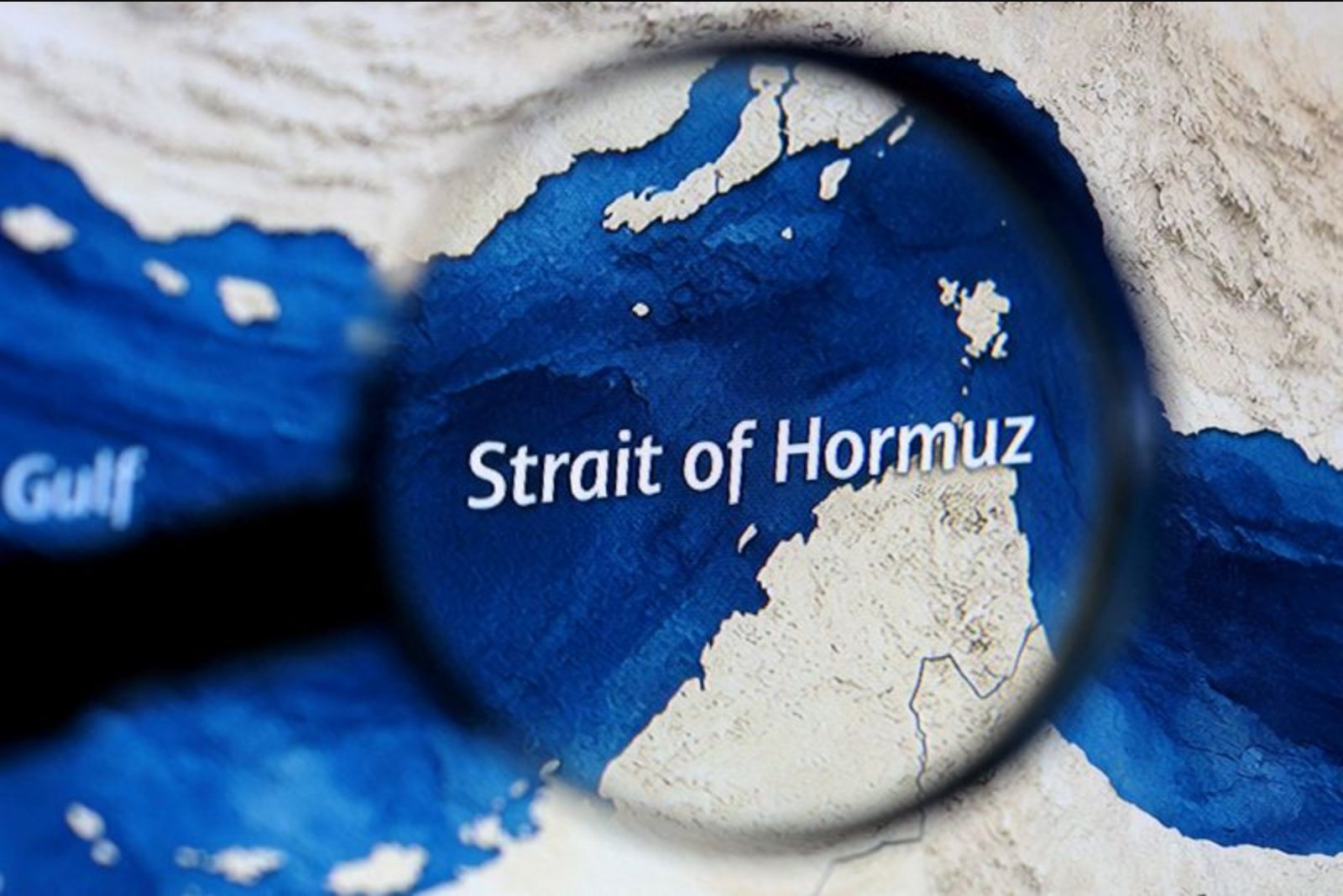
U.N. Security Council members are set to begin talks on Tuesday over a draft resolution backed by the United States and Bahrain that could pave the way for sanctions - and potentially for the authorization of force - if Iran does not stop attacks and threats directed at commercial shipping in the Strait of Hormuz, three Western diplomats said.
Recent exchanges of fire on Monday underlined the strategic importance of the narrow waterway, a critical channel for global energy and trade, and demonstrated how quickly a tenuous four-week-old truce can fracture. Those clashes have reinforced rival maritime blockades and heightened international concern about continued disruptions to transit through the strait.
The U.S. push at the United Nations marks a shift from recent months in which Washington largely operated outside the council framework. During that period the United States conducted military strikes against Iran without seeking Security Council authorization and urged allies to join ad hoc naval patrols to protect freedom of navigation. That more unilateral path met resistance from partners wary of becoming entangled in an open-ended conflict or exposed to legal risk, drawing criticism from U.S. President Donald Trump toward nations he accused of not aligning with American-led efforts.
Monday’s incidents, which the U.S. said included the destruction of six Iranian small boats and Iranian missiles striking a UAE oil port, occurred after Washington launched "Project Freedom," an initiative intended to move stranded tankers and other vessels through the Strait of Hormuz. Officials described the draft resolution as part of a broader strategy to increase diplomatic pressure on Tehran while planning for post-conflict arrangements.
Alongside the U.N. effort, Washington has circulated a proposal to partners for a new multinational maritime coalition called the Maritime Freedom Construct (MFC). The MFC is intended to create a post-conflict security architecture for the Middle East and help reopen the Strait of Hormuz once conditions stabilise, according to the proposal seen by diplomats.
What the draft resolution says
The new draft takes a more measured tone than an earlier Bahraini text that the United States had supported but which failed after Russia and China blocked it. That earlier resolution appeared to open a path to legitimise U.S. military action against Iran. The current text deliberately avoids explicit language authorizing force while remaining framed under Chapter VII of the U.N. Charter, the article notes, which enables the Security Council to adopt measures ranging from sanctions to military action.
The draft condemns what it describes as Iran’s alleged violations of the ceasefire and its "continuing actions and threats aimed at closing, obstructing, tolling, or otherwise interfering with the lawful exercise of navigational rights and freedoms through the Strait of Hormuz," including laying sea mines. It characterizes those actions as a threat to international peace and security.
The resolution demands that Iran immediately cease attacks, disclose the locations of any mines, and not impede clearance operations. It also calls on Tehran to cooperate with U.N. efforts to establish a humanitarian corridor through the Strait, invoking disruptions to aid deliveries, fertilizer shipments and other essential goods. The U.N. secretary-general would be asked to report back within 30 days on compliance, and the Security Council would reconvene to consider further steps, including potential sanctions, if Iran did not implement the measures.
Diplomatic timetable and competing texts
Diplomats said Washington hopes to conclude negotiations swiftly, aiming to circulate a final draft by May 8 and to hold a vote early the following week. At the same time, Russia and China are reported to have a competing text under consideration, indicating the council may not present a united front.
The Security Council initiative is being pursued in parallel with diplomatic outreach to build the MFC, which Washington envisages as a multinational coordination body. The MFC would operate alongside a separate Franco-British maritime mission that involves roughly 30 countries and is designed to lay the groundwork for safe transit through the Strait once the situation stabilises or the conflict is resolved, with Iranian coordination.
An informal diplomatic document circulated to governments describes the MFC as complementary to "other maritime security task forces, including the maritime planning effort the UK and France are leading." The document stresses that while the MFC would remain structurally independent, close coordination with other missions is deemed essential to create a robust maritime security architecture.
Some states, however, have signaled they would require a U.N. mandate before committing military assets to any mission, underscoring legal and political sensitivities that remain central to efforts to restore secure passage through the Strait of Hormuz.
Market and sector implications
Disruption in the Strait of Hormuz has direct implications for the energy and shipping sectors, given the waterway’s role in transporting oil and other commodities. The draft resolution’s references to disrupted fertilizer shipments and aid deliveries also highlight potential consequences for agriculture-related supply chains and humanitarian logistics. Insurance markets and ports handling oil and bulk cargoes could face elevated risk assessments while the international community considers sanctions or other measures.
How and whether the Security Council agrees on the draft - or on any subsequent measures - will influence the pace and scope of multinational coordination to reopen the strait and secure commercial navigation.