
European natural gas prices traded largely sideways on Tuesday as market participants searched for clearer signals about whether shipping through the Strait of Hormuz is returning to normal.
By 06:08 ET (10:08 GMT), the benchmark Dutch TTF Natural Gas Futures was up 0.1% at 48.195 euros per megawatt hour, according to ICE data. Traders highlighted reports that a U.S. operation escorting select vessels may be easing Iran's control over the waterway.
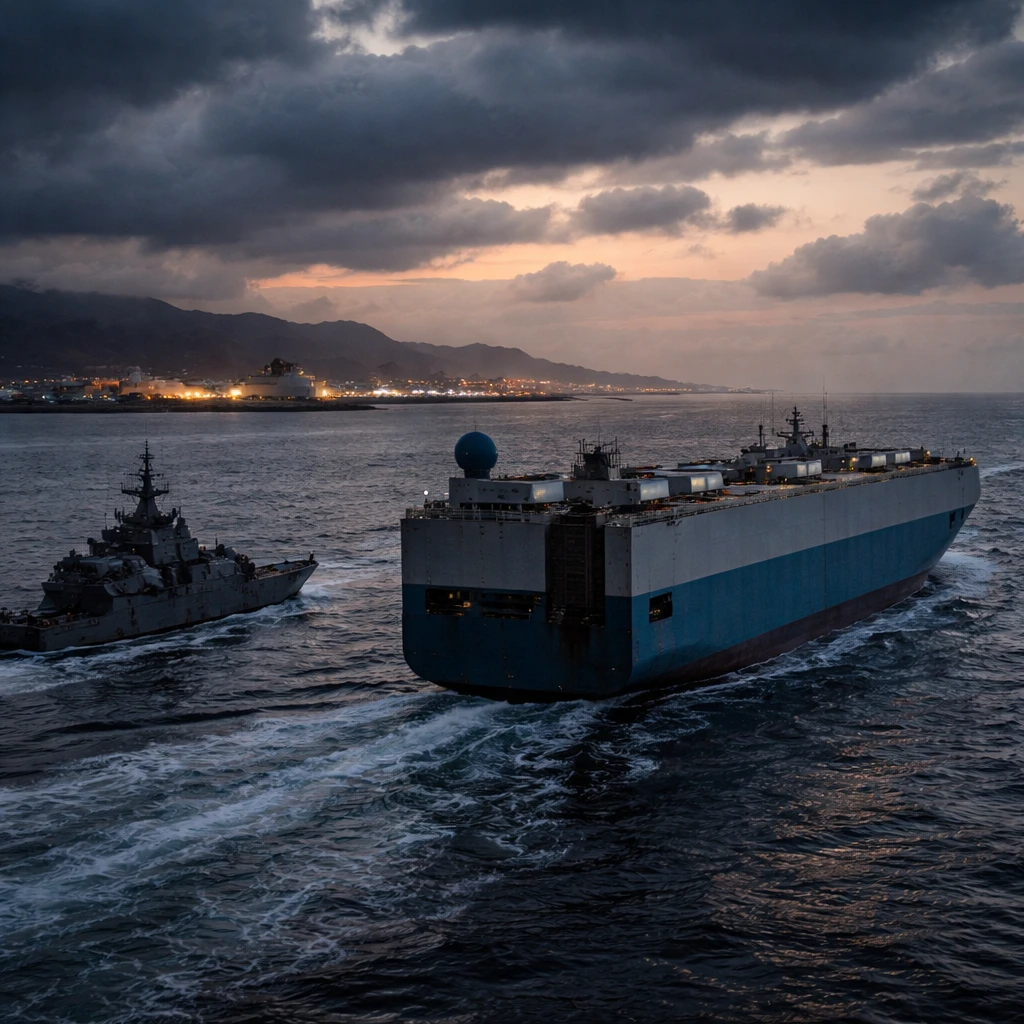
Shipping firm Maersk said a U.S.-flagged vehicle carrier, operated by a subsidiary, exited the Gulf through the Strait of Hormuz with assistance from American military forces. Market participants noted the development, but cautioned that it does not yet confirm a sustained reopening of the strait - a chokepoint that serves as a conduit for roughly a fifth of the world's oil and liquefied natural gas.
The strait has been effectively closed to many commercial flows amid more than a two-month long Iran war. Complicating the outlook, U.S. and Iranian forces launched fresh attacks in the Gulf on Monday as both sides sought to assert control over the strategic waterway.
Those exchanges have unsteadyed an already fragile ceasefire and raised concerns about prolonged supply interruptions. Tensions escalated further after reports that Iranian strikes targeted infrastructure in the United Arab Emirates, including an oil terminal in the port city of Fujairah.
Market moves in Britain reflected related supply and generation dynamics. The British natural gas June contract was last higher by 5.99 pence at 118.09 pence per therm. LSEG data indicate gas demand in Britain is likely to rise as wind power output declines, supporting upward pressure on UK gas requirements.
Beyond gas, carbon prices in Europe ticked up modestly. The benchmark contract for the regional carbon market was higher by 0.15 euro at 73.94 euros a metric ton, reflecting slight tightening in emissions pricing alongside energy market jitters.
While isolated escorted transits may signal that navies are testing routes and protections, traders emphasized the absence of clear evidence that commercial traffic will resume at scale. The combination of intermittent military activity, reported strikes on energy-related infrastructure, and fluctuating renewable generation underscores a complex set of influences on European gas and related commodity markets.
For now, price action remains muted as participants await firmer indications of whether convoy-style operations will expand and whether the geopolitical environment will stabilise enough to restore regular flows through the Strait of Hormuz.