
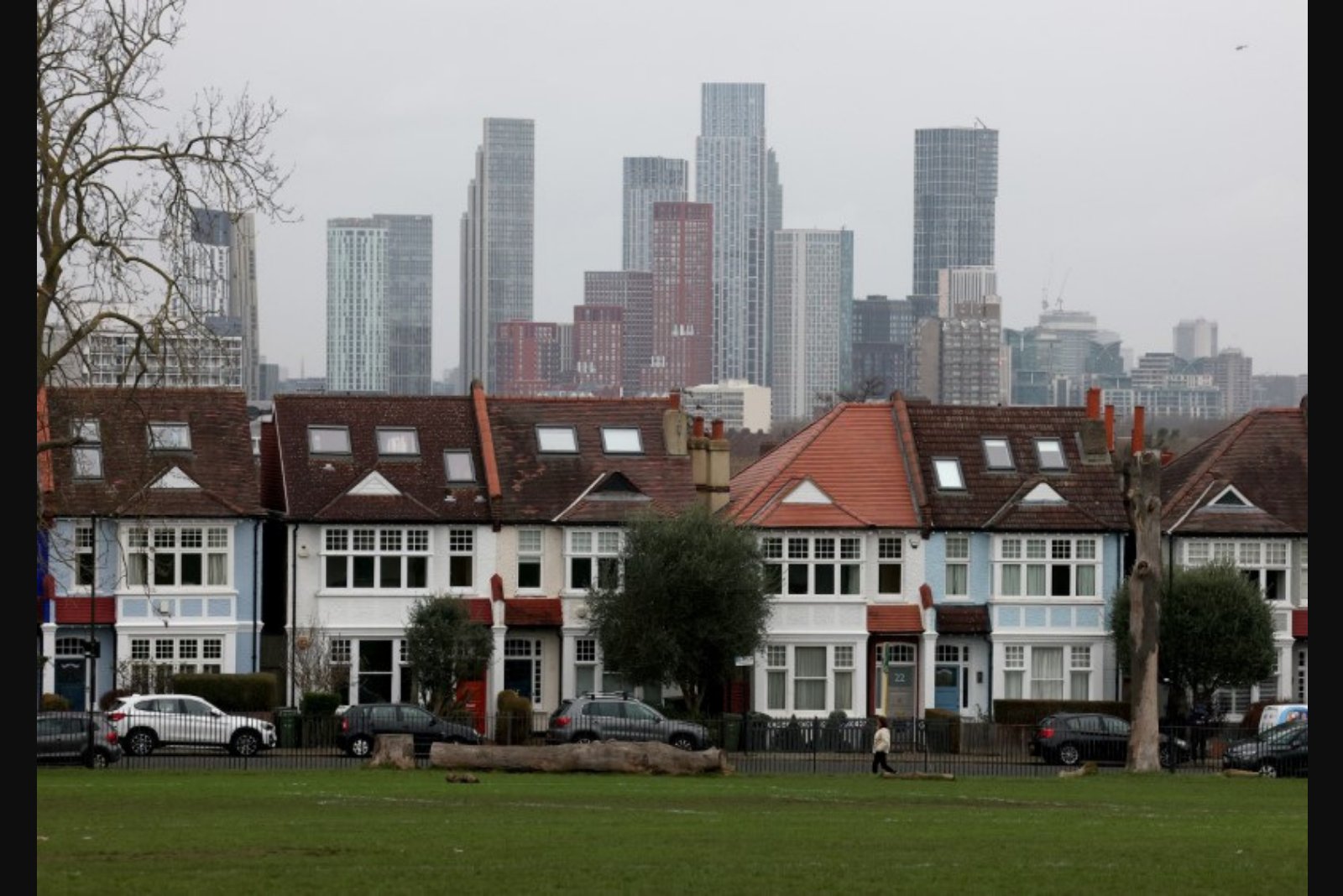
Data from Rightmove indicates that the UK residential property sector saw a larger-than-normal increase in asking prices throughout May. The monthly rise reached 1.2%, which is higher than the standard 1.0% growth typically recorded for the month of May. This follows a period of more moderate growth in April, when asking prices increased by 0.8% compared to March.
Market Indicators and Economic Shifts
Several key metrics from the Rightmove survey highlight shifting dynamics within the real estate sector and broader financial environment:
- Mortgage Rate Trends: There was a visible easing in specific lending costs, with the average two-year fixed mortgage interest rate dropping to 5.18% on May 11, down from 5.42% recorded one month prior.
- Inventory Levels: The volume of homes available for sale has reached an 11-year high.
- Sales Activity: While sales agreed were 4% lower than they were a year ago, they represent a 2% increase when compared to the same period in 2024.
- Annual Price Comparison: On a year-over-year basis, asking prices currently sit 0.3% lower than they were one year earlier.
The data also suggests that annual price declines within the first-time buyer segment have helped to ease affordability constraints in specific regions, namely London and the southeast of England.
Impacted Sectors
The fluctuations in property asking prices and mortgage rates impact several economic areas:
- Real Estate and Housing: The rise in asking prices and the high volume of available inventory directly influence market liquidity and seller expectations.
- Financial Services: Changes in two-year fixed mortgage rates affect lending volumes and interest income profiles for mortgage providers.
- Consumer Spending: Affordability shifts, particularly for first-time buyers in London and the southeast, can influence broader consumer behavior and disposable income levels.
Risks and Uncertainties
The report identifies several factors that contribute to current market volatility:
- Global Geopolitical Tension: Uncertainty surrounding the Iran war remains a factor affecting market sentiment.
- Macroeconomic Pressures: Ongoing cost-of-living pressures continue to influence how steady market activity is maintained.
- Market Volatility: The combination of high inventory levels and varying sales agreement trends introduces complexity for long-term capital allocation in the housing sector.