
The G7 finance ministers' assembly in Paris is tasked with finding common ground on several pressing global issues, including the management of critical raw material supplies and the mitigation of economic tensions. However, the pursuit of unity is being tested by significant geopolitical differences among the member nations. The meeting follows a summit in Beijing between U.S. President Donald Trump and Chinese President Xi Jinping; while that encounter maintained a level of diplomatic cordiality, it produced few concrete economic results and left underlying trade disputes and tensions regarding Taiwan unresolved.
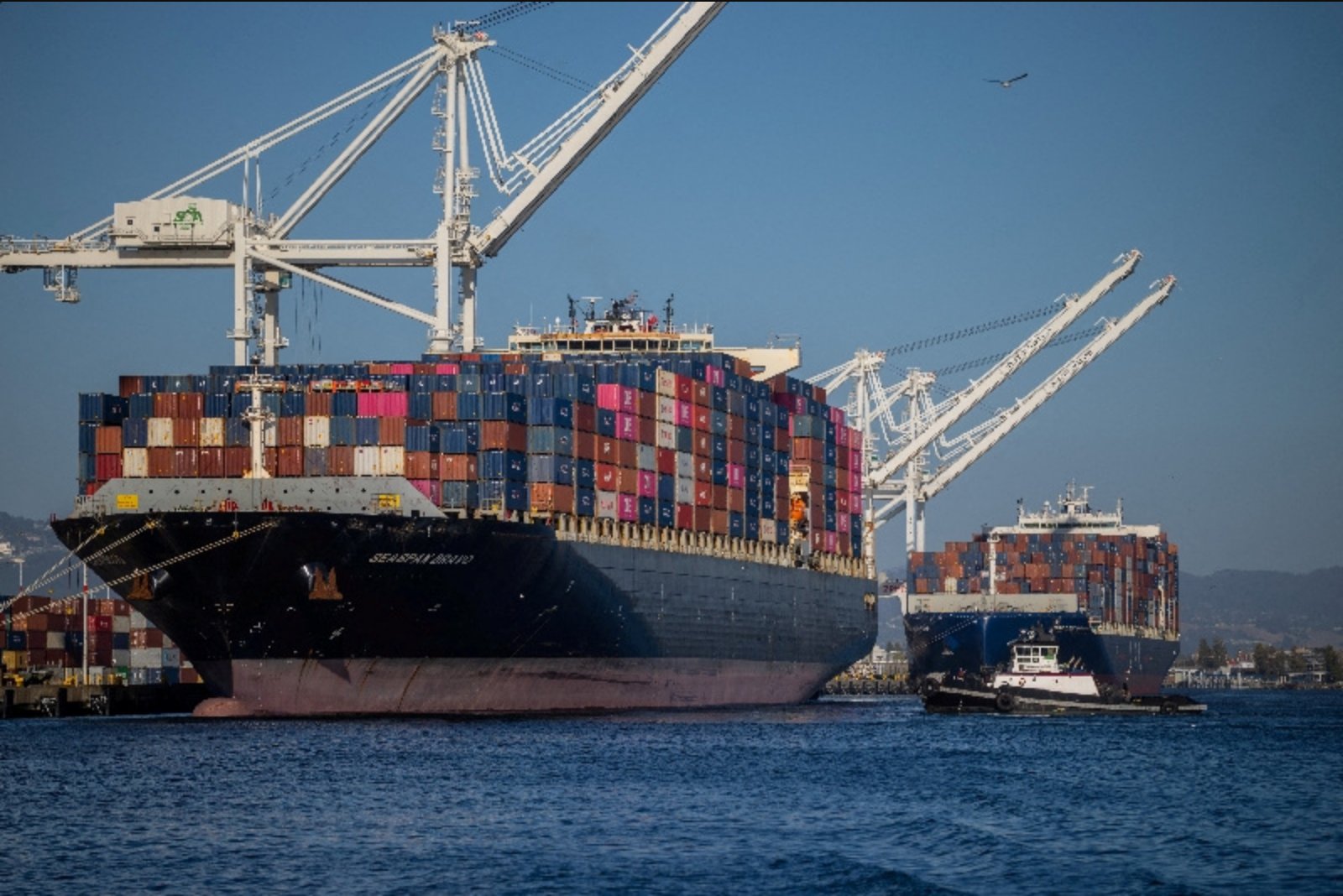
A primary focus of the Paris agenda involves what French Finance Minister Roland Lescure has characterized as fundamental global economic imbalances. These imbalances are viewed as drivers of trade friction and potential risks for a volatile unwinding within financial markets. According to Lescure, the current trajectory of the global economy over the last decade is unsustainable. He identified a specific pattern contributing to this instability: China represents an under-consuming economy, the United States is characterized by over-consumption, and Europe suffers from under-investment.
Lescure, serving as the host for these talks, noted that the G7 provides a venue for honest dialogue among allies, particularly as disagreements with Washington continue to widen. He cautioned that these discussions are not simple and acknowledged that total agreement, especially with American counterparts, remains elusive.
The ministers are expected to review the current state of U.S.-China relations following the Trump-Xi summit. Additionally, they will address recent U.S. actions regarding the Strait of Hormuz, following the expiration of a sanctions waiver on Russian seaborne oil this past Saturday. While French officials indicated that simply reaching an agreement that all parties share some responsibility for imbalances in trade and capital flows would constitute a success, there is an expectation that the United States may be hesitant to accept such a position. Philip Luck, director of the economics program at the Center for Strategic and International Studies, noted that it would be surprising if the U.S. agreed to accept any degree of fault in these imbalances.
Beyond trade imbalances, the agenda includes the economic consequences of the conflict in the Middle East and volatility within global bond markets, an issue specifically impacting Japan. From the United Kingdom, Finance Minister Rachel Reeves is expected to advocate for coordinated efforts to manage inflation and supply chain pressures. Reeves also intends to push for the restoration of freedom of navigation through the Strait of Hormuz and reiterate the British government's goal of minimizing trade barriers between the UK and the European Union.
These internal divisions complicate the G7's ability to present a unified front ahead of the upcoming leaders summit scheduled for June 15-17 in Evian. Another critical priority involves securing supplies of critical minerals and rare earths. G7 members are working to coordinate strategies to decrease their reliance on China, which currently holds dominance over supply chains essential for defense systems, renewable energy, and electric vehicle technologies.
Lescure stated that the G7 will advocate for enhanced coordination to monitor markets, prepare for potential disruptions, and establish alternative supply routes through joint projects among allied economies. The goal is to prevent any single country from establishing a monopoly over these essential materials. To achieve this, G7 nations are exploring a "common toolbox" of measures, which could include tariffs, pooled purchases, or price floors for producers to encourage domestic investment and stabilize markets.
However, the implementation of such mineral security strategies is viewed as a long-term endeavor. Philip Luck, drawing on his experience in the Biden administration, suggested that the group is in the very early stages of this process. He noted that achieving a consensus strategy is difficult, pointing out that even within the U.S. government, there may not yet be an agreement on a specific approach to present to international partners.