
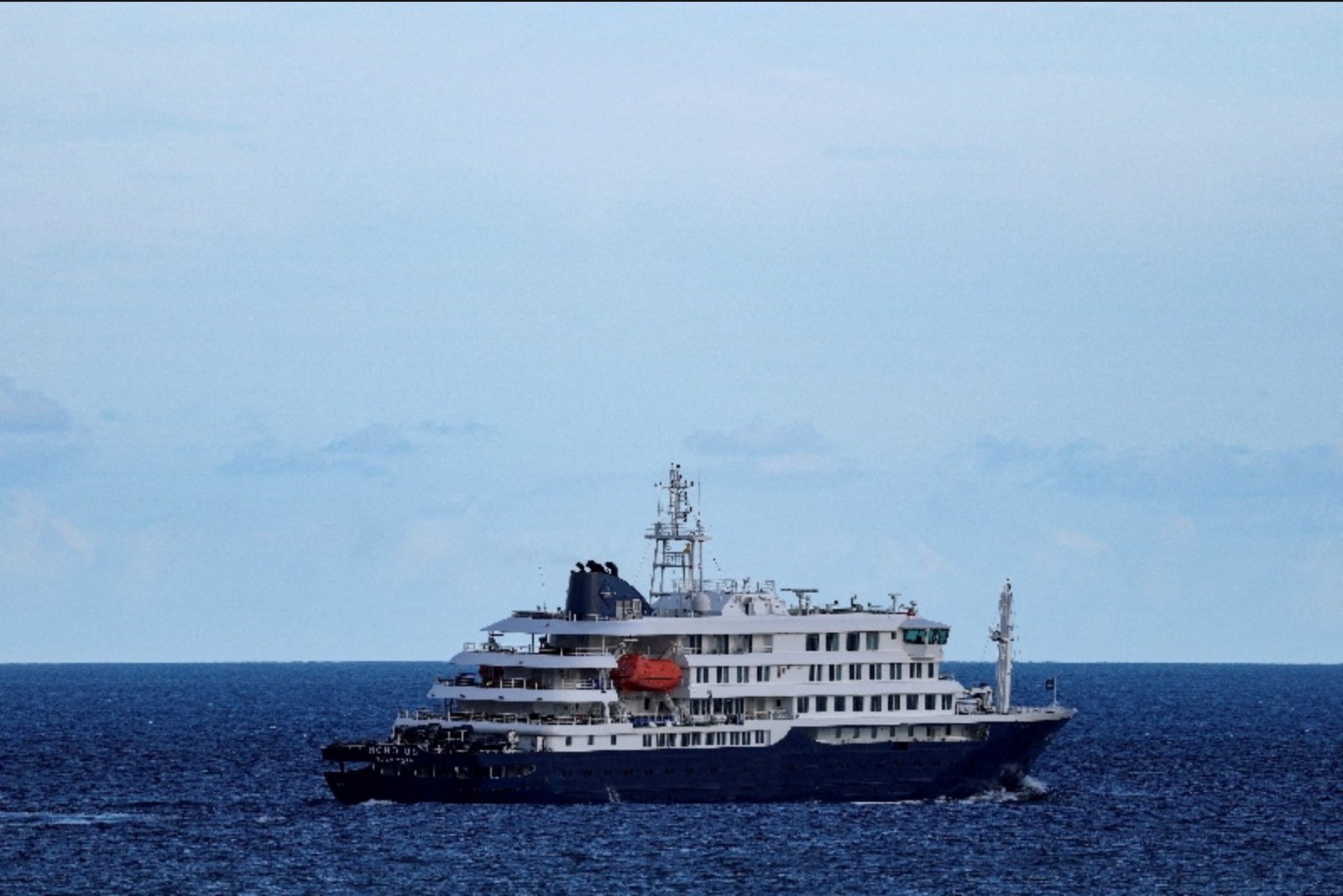
Authorities in the Netherlands said the cruise vessel MV Hondius will dock in Rotterdam on Monday morning to undergo disinfection and to finalize quarantine arrangements for those who remain on board. Dutch officials reported that 25 crew members and two medical staff are still on the ship, and that local quarantine facilities have been established for some crew members who are not Dutch nationals. It has not been confirmed whether those facilities will be used for the full 42-day period recommended by health authorities.
The Hondius, a Dutch-flagged luxury expedition ship operated by Oceanwide Expeditions, had about 150 passengers and crew from 23 countries on board when health officials first reported a cluster of severe respiratory illnesses to the World Health Organization on May 2. The outbreak has been linked to the so-called Andes virus, a hantavirus strain that has circulated in Argentina and Chile for decades.
Evacuation and routing
Earlier this month the ship was stranded off Cape Verde after authorities there barred passengers from going ashore because of the illnesses. The WHO and the European Union asked Spain to coordinate an evacuation at the Canary Islands. Following that evacuation, the Hondius set sail for Rotterdam with a reduced crew and two additional medical personnel on board.
With the Rotterdam port designated as the vessel's final destination, Dutch agencies are preparing to manage disinfection procedures and to implement quarantine protocols for the remaining people on the ship.
Cases, deaths and testing status
Since the outbreak was first reported, three people have died - identified as a Dutch couple and a German national. The WHO adjusted its tally on Friday, revising the case count to 10 from an earlier figure of 11 after an inconclusive case in the United States tested negative. As of May 15, WHO reported 10 cases - eight confirmed and two probable - including the three deaths.
On Saturday British Columbia’s government said a Canadian who had been a passenger on the Hondius tested positive for hantavirus. The WHO said on Sunday it was awaiting official confirmation, noting that if confirmed this would bring the total to 11 cases. The European Centre for Disease Prevention and Control reported that virus samples taken from the ship show no meaningful variation in the virus.
Transmission, incubation and quarantine guidance
Hantavirus is primarily transmitted by rodents but can, in rare cases, pass between people after prolonged, close contact. The incubation period can be around six weeks. Because of that extended incubation window, health authorities warn that the search for new cases could continue for months, and that testing programs and public communications may be strained as they apply the frameworks developed during the COVID response.
The WHO recommends that high-risk contacts be monitored and quarantined for 42 days after exposure. Low-risk contacts are advised to self-monitor and seek medical attention if symptoms appear.
Local reaction in Rotterdam
Some Rotterdam residents expressed concern about the ship’s arrival and whether individuals would adhere to quarantine rules. "What is concerning to me is how well will people ... stay in quarantine," said 35-year-old Rotterdam resident Claudia Eduardo, citing memories of noncompliance during the COVID period. Others were less worried. Eighteen-year-old Aleks Mladenovic said initial alarm subsided after he conducted his own research, adding "It’s not a new thing. We’ll probably figure something out and get on top of it again. I am not worried at all."
Operational considerations for authorities
Port and public health agencies face immediate operational tasks: coordinating disinfection of the vessel, confirming quarantine locations for remaining crew and medical staff, and continuing cross-border contact tracing for passengers and others who have disembarked. Several countries have already quarantined crew, former passengers and their contacts.
International agencies have emphasized that while additional cases may still emerge, the situation is not comparable to the COVID pandemic and does not constitute a pandemic. Nonetheless, the long incubation period and the potential for rare person-to-person transmission mean authorities will need to sustain monitoring and communications efforts over an extended period.
What remains uncertain
Key uncertainties include whether the quarantine facilities set up will be used for the full WHO-recommended 42 days and whether additional cases will be confirmed as tests are completed and official updates are provided by governments. Health agencies also continue to assess viral samples and case investigations to determine transmission pathways.
As Rotterdam prepares to receive the Hondius, the combination of disinfection work, quarantine logistics and ongoing case monitoring will test local and international public health coordination.