
President Volodymyr Zelenskiy’s public offer to meet Russian President Vladimir Putin in person was formally directed at the Kremlin, but its strategic aim appears broader: to influence discussions at the St Petersburg investment forum and to reach decision-makers within Russia’s elite and Western capitals.
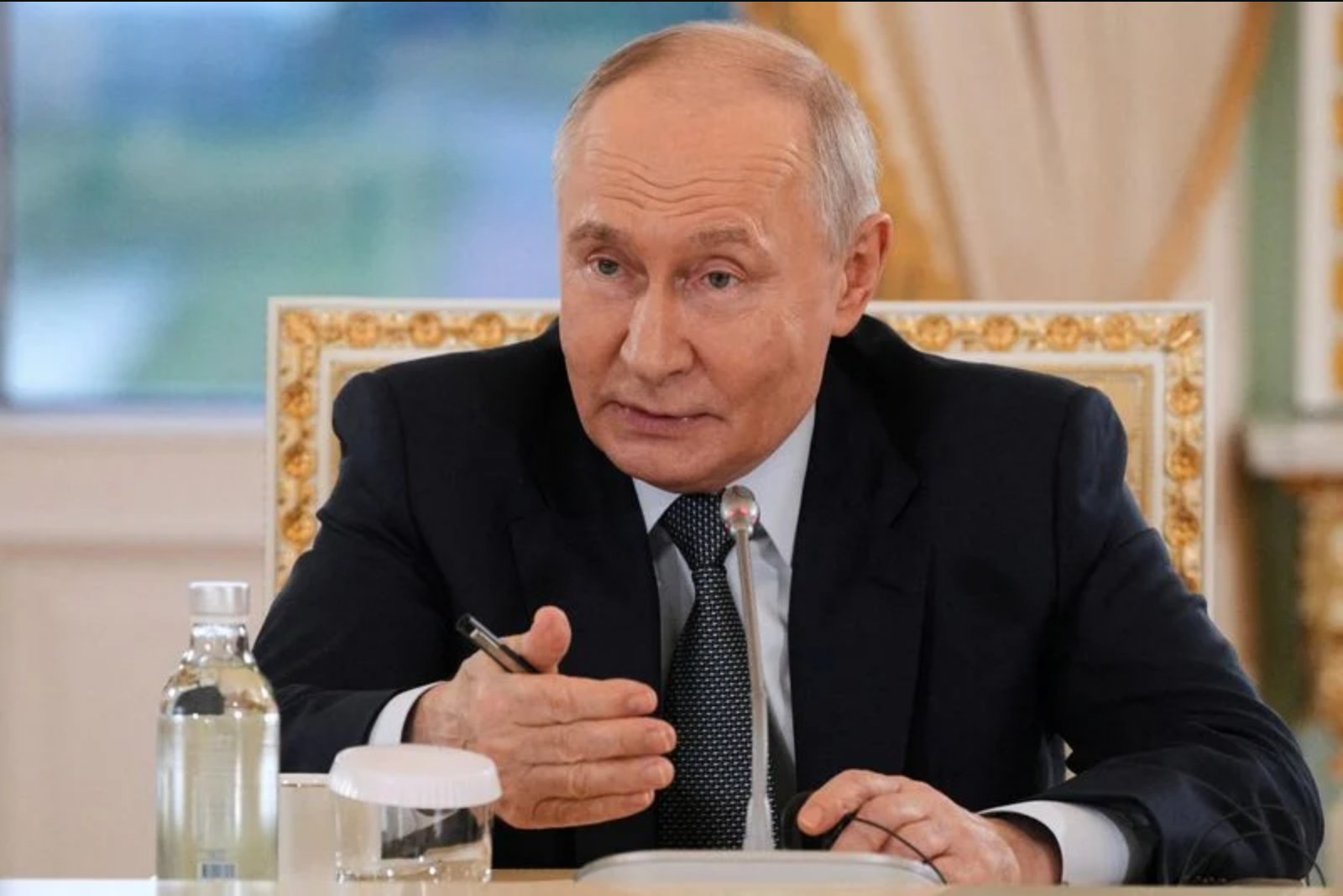
The letter was released on a Thursday evening while President Putin was briefing foreign news editors at Russia’s leading business gathering. The timing coincided closely with a drone strike the previous day that struck an oil terminal in St Petersburg, producing large plumes of smoke that rose near the forum venue.
A Ukrainian official familiar with the contents of the letter said Kyiv believes some segments of Russia’s power structure - "officials, businessmen, and Russia’s partners" - want an end to the conflict, which the official said has left Russia’s $3 trillion economy stagnant. That assessment, the official said, informed the decision to publish the open appeal when attention was focused on the forum.
The St Petersburg forum, a glossy and high-profile event, has become a stage for competing views inside Russia about how to proceed in the four-year conflict. Some attendees have argued for continued resistance and preparation for a long confrontation with the West. Others have highlighted the growing economic advantages of moving toward a cessation of hostilities, a divergence of perspectives the forum has made visible.
Zelenskiy has repeatedly called for a ceasefire and renewed direct talks, and he has extended the offer to meet Putin on multiple occasions. Putin dismissed the proposal again on a Friday, but Kyiv officials say the intention behind the letter is sincere and aimed at reviving negotiations.
Dmytro Iarovyi, an associate professor at the Kyiv School of Economics who specialises in political psychology, described the combination of the drone strike and the public letter as a deliberate effort to shape the narrative surrounding the conference. He argued these actions were calculated to send a message to Russian society and to Western governments - and specifically to U.S. President Donald Trump - that Ukraine’s recent battlefield gains and long-range strikes inside Russia have strengthened Kyiv’s bargaining position.
Former U.S. ambassador to NATO Kurt Volker, who served as a Ukraine envoy during the Trump administration, echoed that interpretation. He cited comments from Trump that "Ukraine doesn’t have any cards," and said Kyiv is now demonstrating it has improved leverage.
Attempts at U.S.-backed peace negotiations over recent months have reached an impasse, with both sides holding firm to their respective demands. President Putin told foreign editors that talks he held with President Trump in Anchorage, Alaska last August had already laid out conditions he views as necessary to end the conflict, apparently referring to his expectation that Ukraine would cede the remainder of Donbas.
Zelenskiy, however, appears increasingly unwilling to accept U.S. pressure to relinquish territory. In his open letter he welcomed American engagement but made clear that Ukrainian issues "would not be decided in Anchorage" and stressed that decisions must be made by Ukraine and Russia directly. The letter also asserted that Russia could no longer assume it would take all of Donbas.
The release of the letter at the St Petersburg forum and the proximate drone strike together served as a public signal intended to influence discussions among Russia’s elite and to shape perceptions in Western capitals. How those audiences respond remains uncertain, and the competing economic and political calculations aired at the forum underscore the continuing divide over the war’s trajectory.