
World May 28, 2026 06:21 PM

Vance Says U.S. Negotiations With Iran Close but Not Complete

Vice President highlights progress on ceasefire and shipping but flags unresolved nuclear issues and pending presidential sign-off

By Priya Menon

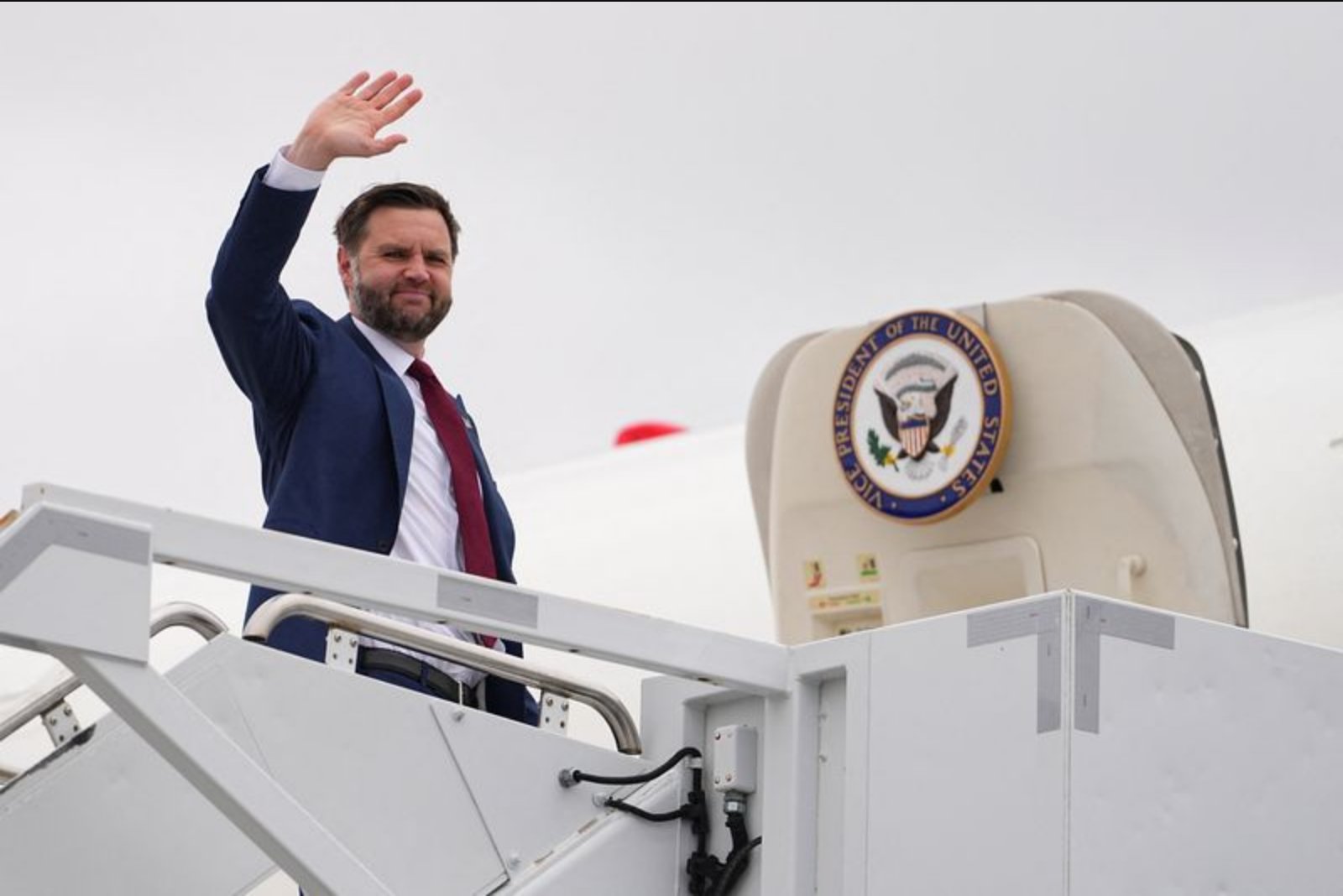
U.S. Vice President JD Vance said talks with Iran were nearing an agreement but had not concluded, citing outstanding language on nuclear enrichment and noting that any memorandum of understanding would require Presidential approval. Officials also reported an accord to extend a ceasefire and lift limits on shipping through the Strait of Hormuz, contingent on the president's signature.

Vance Says U.S. Negotiations With Iran Close but Not Complete

Key Points

  • U.S. Vice President JD Vance said talks with Iran are close but not complete; he emphasized the U.S. could substantially set back Tehran’s nuclear program.
  • Officials reported an agreement to extend the ceasefire and to lift restrictions on shipping through the Strait of Hormuz, but implementation is contingent on President Donald Trump’s approval.
  • Outstanding negotiation items include Iran’s enriched uranium stockpile and the question of enrichment; finalization depends on resolving specific language in the memorandum of understanding.

WASHINGTON, May 28 - U.S. Vice President JD Vance told reporters on Thursday that negotiations with Iran were close to producing an agreement but had not yet reached completion. He said Washington was “not there yet” while stressing that the United States stood in a position to substantially set back Tehran’s nuclear program.

In a separate development described by sources, the United States and Iran reached an understanding to extend their ceasefire and to lift restrictions on shipping through the Strait of Hormuz, subject to the approval of U.S. President Donald Trump.

Vance identified two areas that remained unresolved in discussions with Tehran. He said negotiators were working through a couple of sticking points related to Iran’s enriched uranium stockpile and the broader question of enrichment.

“It’s hard to say exactly when or if the president is going to sign the MOU. We’re going back and forth on a couple of language points,” Vance said. “I can’t guarantee that we’re going to get there, but right now I feel pretty good about it.”

The vice president’s remarks framed the progress as significant but fragile. He did not offer a timeline for when a memorandum of understanding might be finalized or signed, underscoring ongoing negotiation over specific language.

The reported deal to extend the ceasefire and to lift shipping restrictions in the Strait of Hormuz remains conditional on presidential approval. That procedural requirement means the arrangement is not yet in force, pending the decision of the president.

Vance’s comments focused attention on the two nuclear-related issues he said are unresolved: the size or handling of Iran’s enriched uranium stockpile and the technical and policy question of enrichment itself. He did not provide additional detail about how those issues would be addressed or what specific language remained in dispute.

As described by officials, the current state of talks is one of cautious optimism - progress has been made, but key elements remain unsettled and a formal signature has not been assured.

Risks

  • Uncertainty over whether the president will sign the memorandum of understanding - impacts diplomatic progress and the immediate status of the ceasefire and shipping arrangements (affects government and energy/shipping sectors).
  • Sticking points on Iran’s enriched uranium stockpile and the question of enrichment - risks derailment or delay of a comprehensive agreement (affects defense and nuclear policy areas).
  • The reported lifting of restrictions on shipping through the Strait of Hormuz remains conditional - until presidential approval is secured, shipping and related commercial activity may face continued ambiguity (affects maritime transport and energy markets).

More from World

Colorado Appeals Court Orders New Trial for Paramedics in Elijah McClain Death Jun 4, 2026 U.S. Treasury Adds Cuban President Miguel Diaz-Canel to Sanctions List Jun 4, 2026 Zelenskiy Invites Putin to Direct Talks in Open Letter, Proposes Ceasefire During Negotiations Jun 4, 2026 Zelenskyy Calls for Direct Talks With Putin, Offering Ceasefire During Negotiations Jun 4, 2026 Putin Says Russia Will Prevail if Needed, But Offers Diplomacy Backed by Unspecified Compromises Jun 4, 2026