
World May 28, 2026 01:40 PM

U.S. to House Ebola-Exposed Citizens in Kenyan Quarantine Facility, Symptomatic Patients Not Returned Home

Facility to accept high-risk, asymptomatic Americans; symptomatic evacuees to be flown to third countries rather than the United States

By Sofia Navarro

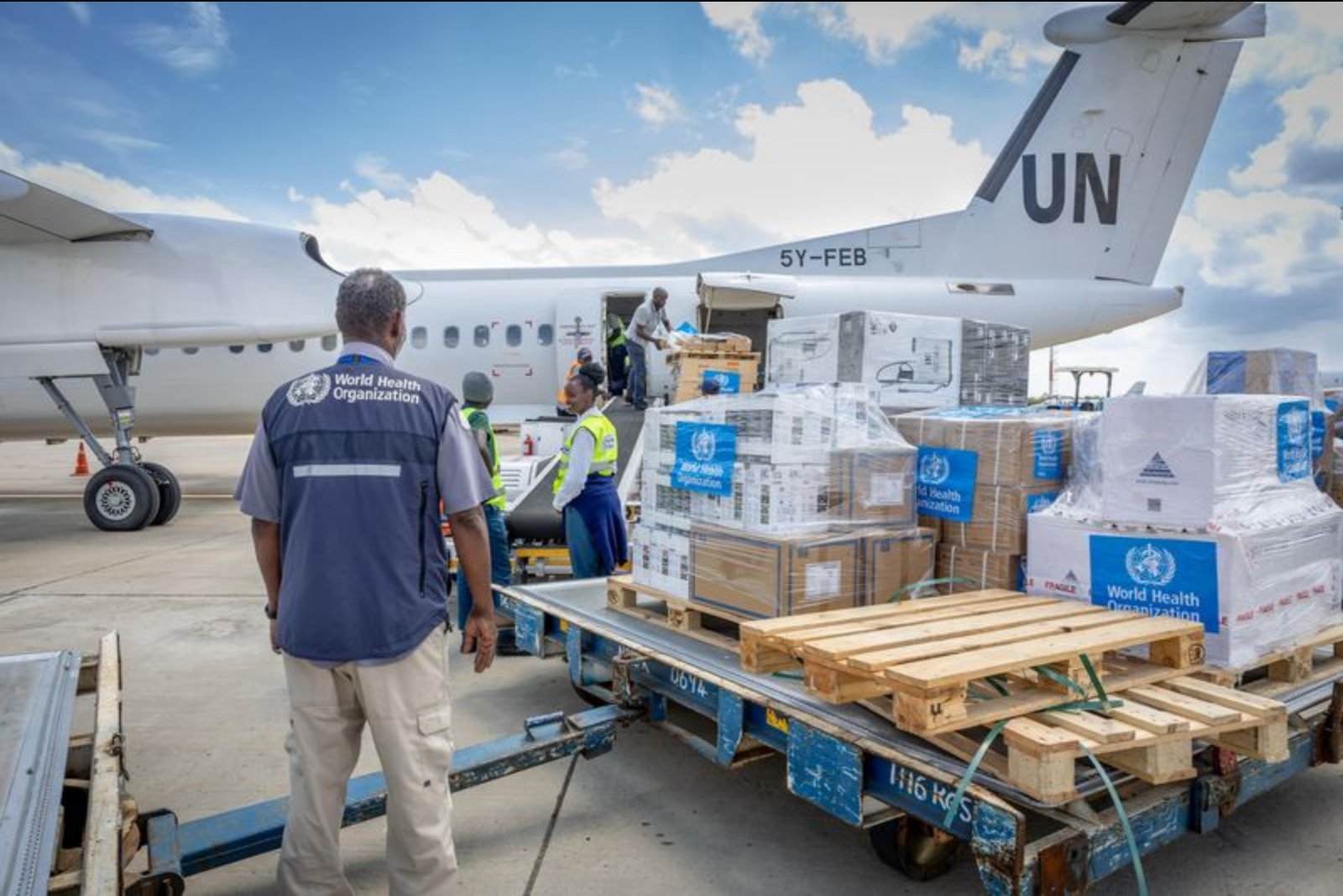
Senior U.S. administration officials said the United States will open a quarantine facility in Kenya for Americans who have been exposed to the Bundibugyo strain of Ebola but are still asymptomatic. The facility will provide isolation and limited advanced care, and any patients who develop symptoms will be evacuated to third countries rather than repatriated to the United States. The move comes as the World Health Organization declared the outbreak an international emergency and reported rising case counts.

U.S. to House Ebola-Exposed Citizens in Kenyan Quarantine Facility, Symptomatic Patients Not Returned Home

Key Points

  • Facility in Kenya will accept high-risk, asymptomatic U.S. citizens exposed to the Bundibugyo strain of Ebola - impacts public health response and international medical logistics.
  • Symptomatic patients will be evacuated to third countries rather than returned to the United States - affects evacuation protocols and international coordination.
  • WHO has declared the Bundibugyo strain an international emergency; more than 900 suspected cases and 200 suspected deaths reported - underscores scale of outbreak and potential strain on health systems.

The U.S. government is establishing a quarantine facility in Kenya to receive American citizens assessed as high-risk contacts of the Bundibugyo strain of Ebola, senior administration officials said on Thursday. The officials emphasized that individuals who develop symptoms will not be transported to the United States.

Officials said the Kenyan site is intended for U.S. citizens who have had exposure to the virus but remain asymptomatic. It will also be capable of providing more advanced care and support for those who develop symptoms while at the facility, until arrangements are made to evacuate them to third countries, the officials told reporters.

The decision to move symptomatic patients to third countries rather than to the United States was explained by officials as a choice made for speed and to reduce risks to the American public at home. They denied the policy was politically motivated.

The World Health Organization this month declared the Bundibugyo strain of Ebola an emergency of international concern. The strain cited by officials has no approved vaccine or treatment, the administration said. According to the figures officials provided, more than 900 suspected cases and more than 200 suspected deaths have been reported so far.

Secretary of State Marco Rubio had said on Wednesday, "we cannot and will not allow any cases of Ebola to enter the United States." Last week, the U.S. imposed entry restrictions on travelers who have been in the Democratic Republic of Congo, Uganda, or South Sudan in the previous 21 days. The restrictions apply to all travelers, including lawful permanent residents - known as green card holders.

The Kenyan government has approved the facility, which officials said will become operational on Friday with an initial 50-bed unit. Plans for expansion include two biocontainment units, each capable of holding two patients, and three isolation units, each designed for four patients.


This arrangement signals a policy of managing exposed Americans abroad rather than repatriating symptomatic cases, with authorities citing logistical and public health considerations in their decision-making.

Risks

  • Rising case counts and absence of an approved vaccine or treatment for the Bundibugyo strain - risk to public health and increased demand on healthcare and emergency response sectors.
  • Evacuation of symptomatic patients to third countries could pose logistical and coordination challenges - risk to aviation and international medical transport services.
  • Entry restrictions on travelers from affected countries may disrupt travel and trade links - risk to the travel, tourism, and transportation sectors.

More from World

Zelenskiy Invites Putin to Direct Talks in Open Letter, Proposes Ceasefire During Negotiations Jun 4, 2026 Zelenskyy Calls for Direct Talks With Putin, Offering Ceasefire During Negotiations Jun 4, 2026 Putin Says Russia Will Prevail if Needed, But Offers Diplomacy Backed by Unspecified Compromises Jun 4, 2026 Steering Board Fails to Name Successor to Bosnia’s High Representative Jun 4, 2026 Why U.S.-Brokered Truces Have Not Halted Fighting Across the Middle East Jun 4, 2026