
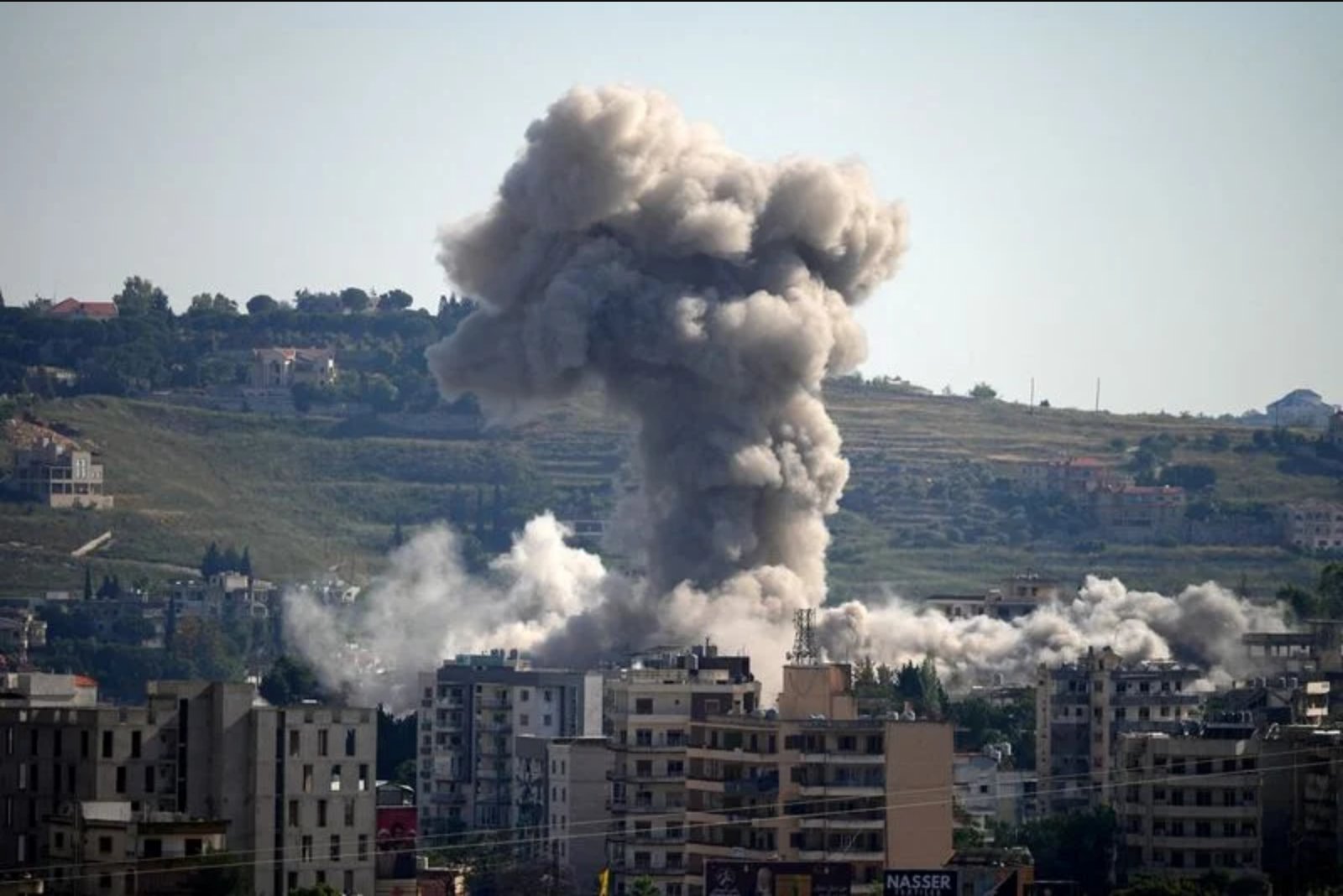
DUBAI, June 1 - U.S. military aircraft struck Iranian military sites along the Gulf coast over the weekend, the U.S. Central Command said, following what it described as "aggressive Iranian actions" that included the shootdown of a U.S. MQ-1 drone operating over international waters.
In a post on X, CENTCOM said U.S. fighter jets "swiftly responded by eliminating Iranian air defences, a ground control station, and two one-way attack drones that posed clear threats to ships transiting regional waters." The command added that it will continue to protect U.S. assets and interests during the ongoing ceasefire.
On Monday, Iran's Islamic Revolutionary Guard Corps said it had targeted an air base used by the U.S. for an attack on southern Iran, but did not identify which base it had struck.
Separately, Kuwait's state news agency KUNA reported that the country's air defences were intercepting missile and drone attacks on Monday as sirens sounded nationwide, although it provided no further details.
These confrontations are the latest in a series of intermittent strikes between Washington and Tehran since a ceasefire took effect in early April. Officials on both sides described a similar exchange that occurred last Thursday in broadly the same terms.
The broader conflict that began on February 28 when the U.S. and Israel launched their war has resulted in thousands of deaths, predominantly in Iran and Lebanon, according to the reporting. The fighting and related disruptions have exerted upward pressure on energy prices, in part because Iran has effectively closed the Strait of Hormuz, contributing to global economic strain.
President Donald Trump has stated that his central objective in the war is to prevent Iran from developing a nuclear weapon using highly enriched uranium. Tehran has consistently denied that it seeks to develop such a weapon.
Domestically, the U.S. administration faces pressures tied to energy supplies and consumer fuel costs. The president is under pressure to reopen the Strait of Hormuz and reduce U.S. gasoline prices ahead of November's congressional elections, as voters express frustration over rising fuel costs. At the same time, he risks pushback from Iran hawks within his own party should any concessions to Tehran be considered.
Major outstanding issues between Washington and Tehran remain unresolved, including Tehran's demands for the lifting of sanctions and the release of tens of billions of dollars of Iranian oil revenues that have been frozen in foreign banks.
Another complicating factor is the fighting in Lebanon between Israeli forces and the Iranian-backed Hezbollah militia. Israeli Prime Minister Benjamin Netanyahu said on Sunday he had ordered troops to advance further into Lebanon as part of operations against Hezbollah.
On the diplomatic front, U.S. Secretary of State Marco Rubio held conversations with both Lebanese President Joseph Aoun and Israeli Prime Minister Benjamin Netanyahu to discuss talks between Israel and Lebanon. A U.S. official said Rubio has proposed a plan to allow for "gradual de-escalation."
The recent round of strikes and counterstrikes underscores the fragile nature of the ceasefire and the ongoing negotiations intended to secure a more durable settlement. While both capitals continue to publicly frame their actions as either defensive or retaliatory, the pattern of intermittent military exchanges has persisted since early April.
Given the regional scope of the incidents reported this week - from strikes on Iran's Gulf coast to interceptions over Kuwait and an unnamed U.S. air base being targeted - the incidents remain part of a broader and unresolved set of political and military disputes between the parties involved.